
Last updated October 31, 2026
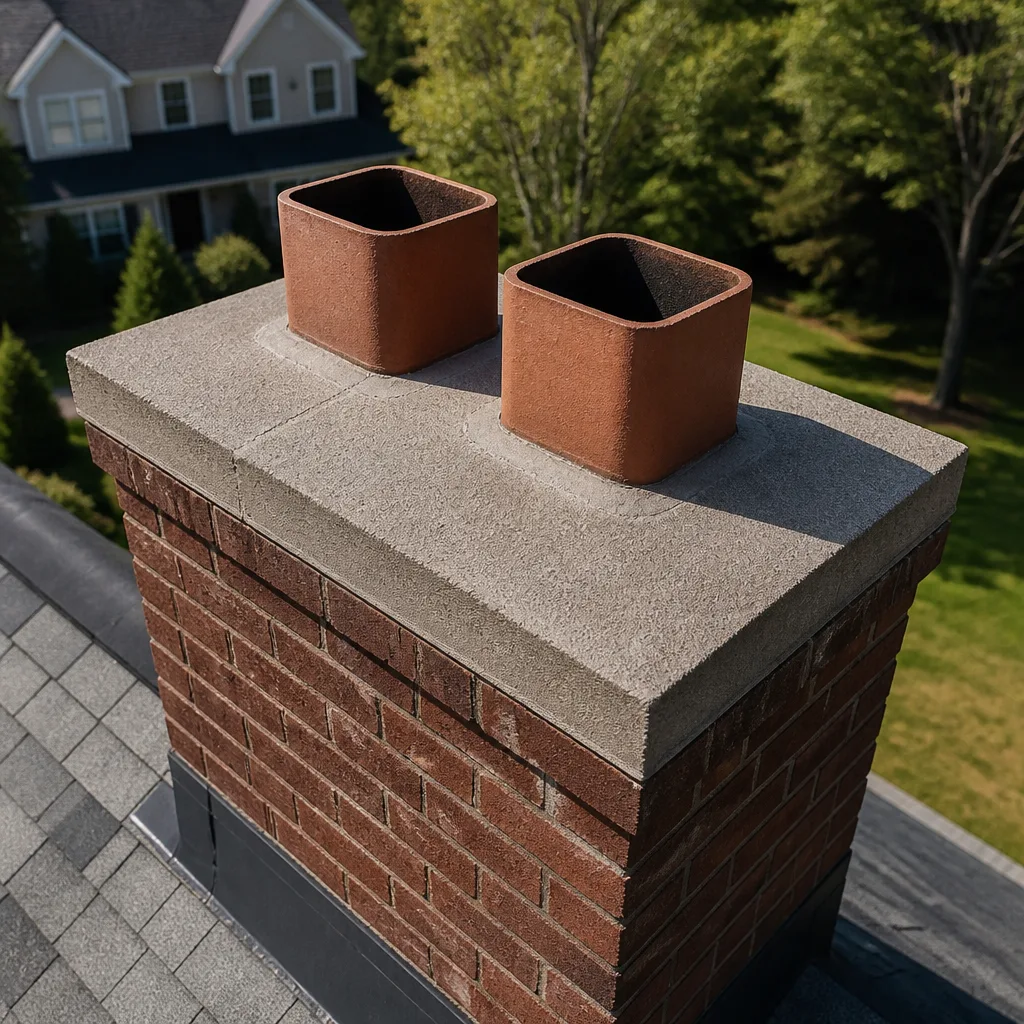 Sweep & inspection
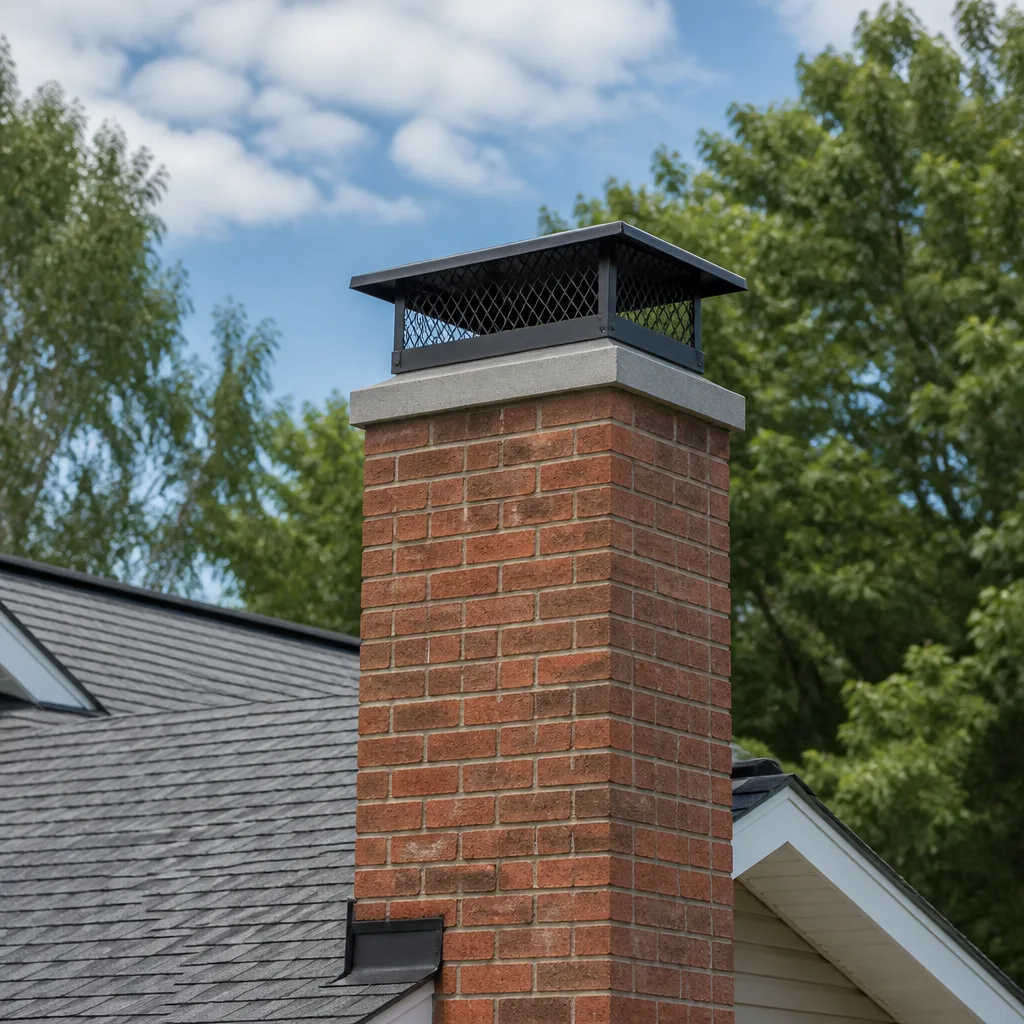 Caps & crowns
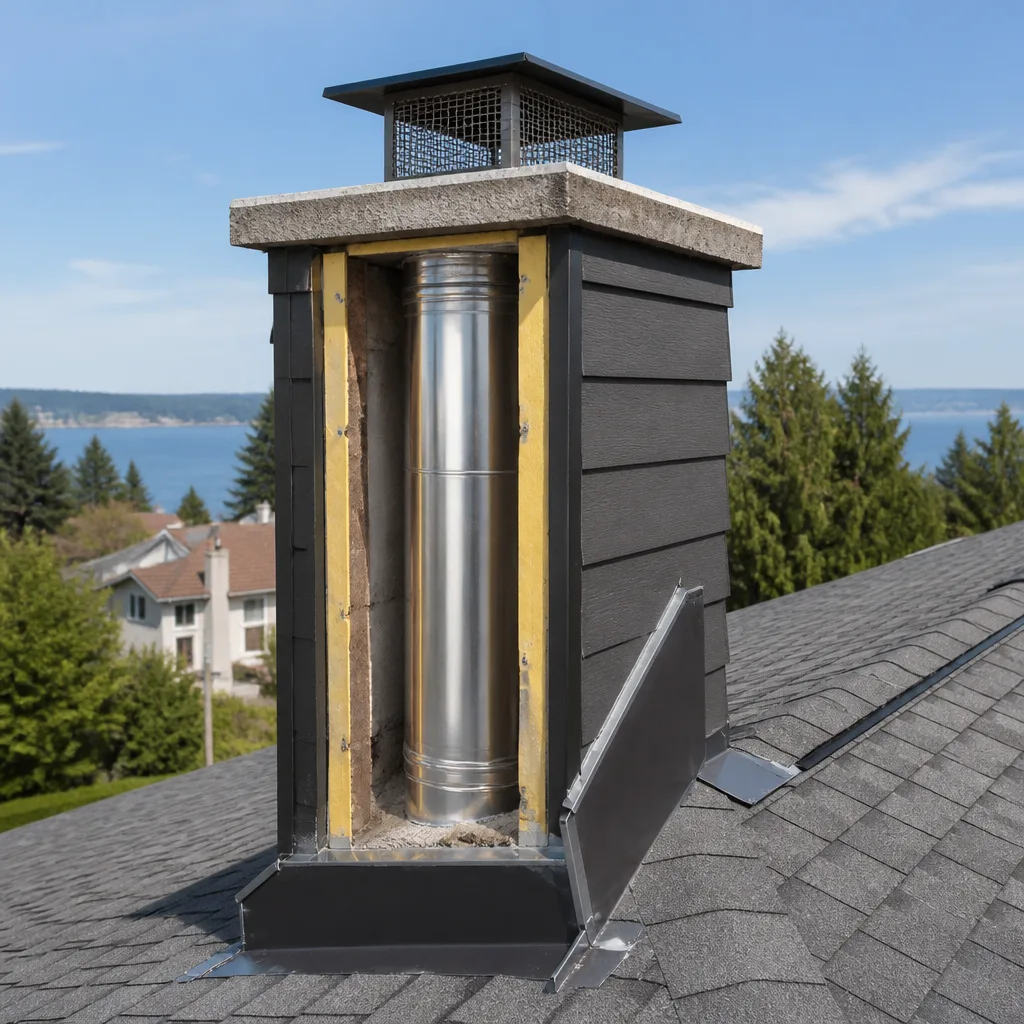 Flue relining
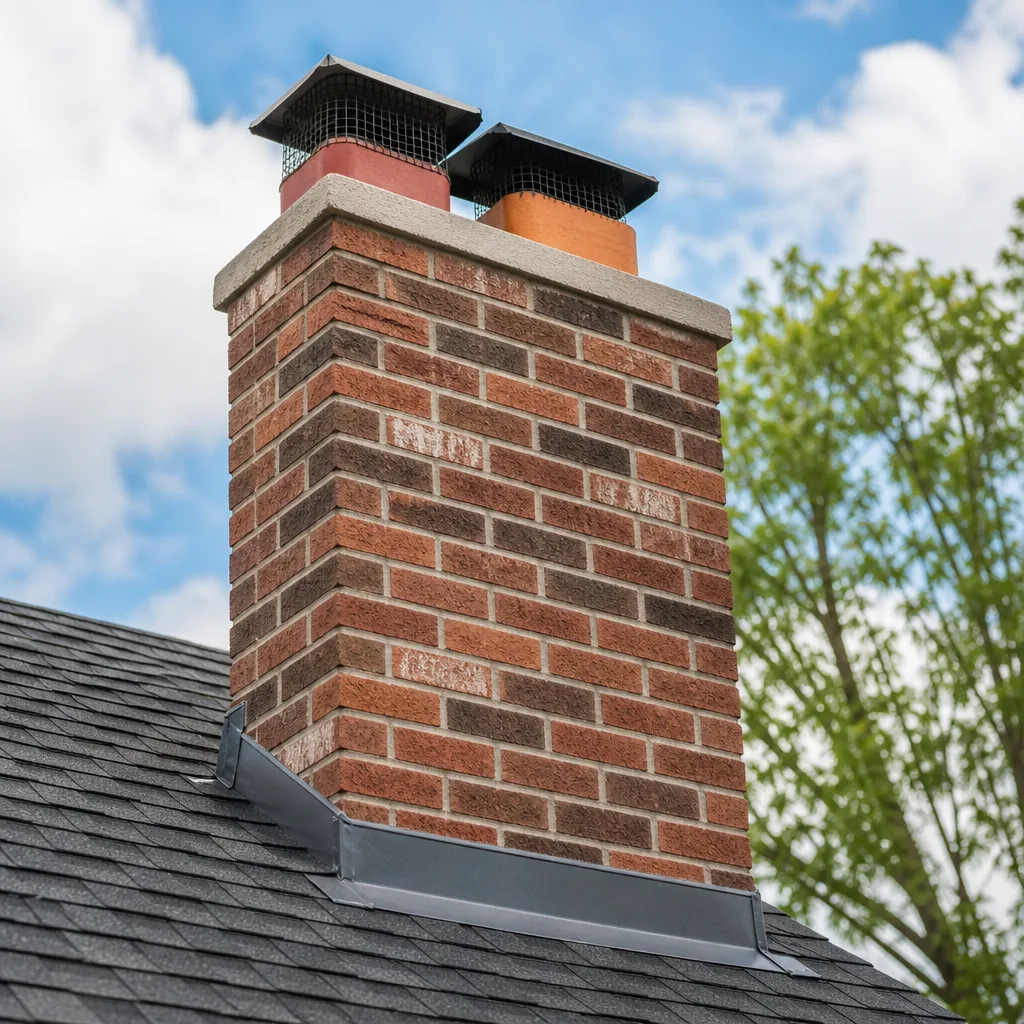 Masonry repair
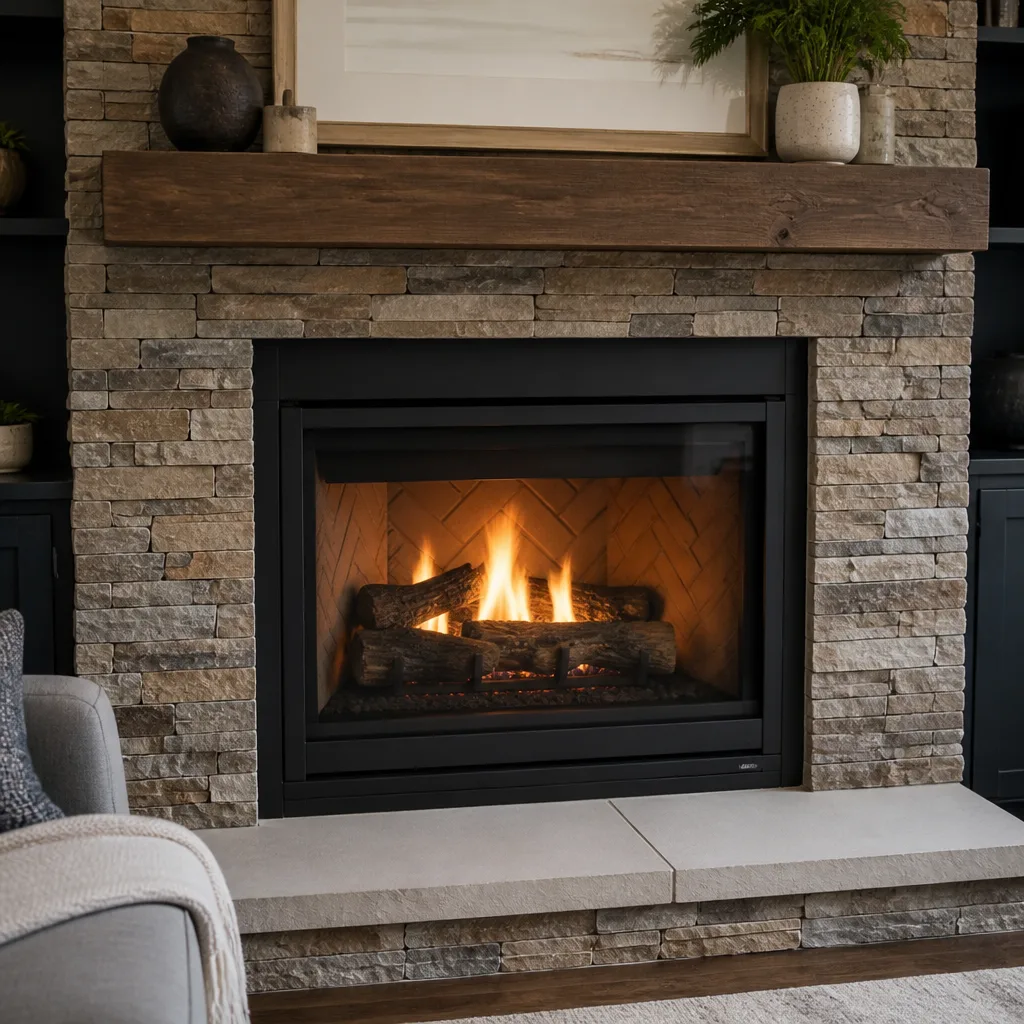 Gas fireplace service
Level 1 sweep and inspection to the NFPA 211 annual standard - flue, crown, cap, and flashing checked and photographed
Chimney sweep logs do not sweep chimneys. They loosen some creosote - which then falls where a brush and vacuum still have to collect it.
How to Hire a Chimney Cleaning Contractor in Schaumburg: A Step-by-Step Guide
Illinois does not license chimney sweeps. That single fact shapes everything about hiring a chimney contractor in Schaumburg, because it means the person you invite into your home might be a CSIA-certified specialist with thousands of inspections behind them, or someone who bought a brush kit at a hardware store last spring and printed business cards the same afternoon. No state board checks their work, no license number proves their training, and no inspector will catch a bad sweep until the creosote has already built to a dangerous level. This guide walks you through the exact questions to ask, the credentials that actually matter, and the red flags that show up in Schaumburg specifically, so you can hire with confidence in a completely self-regulated trade. For more on keeping your chimney safe year-round, see our Seasonal Chimney Cleaning Care for Schaumburg: Year-Round Homeowner’s Guide.
Styles & brands we work with
Quick Answer
To hire a chimney cleaning contractor in Schaumburg, verify CSIA or NFI certification, ask what inspection level they perform and what camera equipment they use, confirm they stock repair materials for same-day fixes, request a written itemized estimate before any work begins, and choose a full venting system specialist over a sweep-only operator if your chimney is older than 15 years or shows any signs of water damage, spalling brick, or drafting problems. A legitimate contractor will provide a written inspection report with photos after every job.
Table of Contents
- Why Illinois’ No-License Rule Makes Your Vetting Job Harder
- The Only Two Credentials That Matter in Schaumburg: CSIA and NFI
- Sweep-Only Company vs. Full Restoration Contractor: Know Which You Need
- The Four Questions to Ask Before You Book Anyone
- What a Legitimate Estimate Must Include in Writing
- Schaumburg-Specific Factors That Affect Chimney Wear
- Step-by-Step Hiring Process: From First Call to Final Inspection
- Common Mistakes to Avoid
- When to Call a Professional
- Frequently Asked Questions
- The Bottom Line
Why Illinois’ No-License Rule Makes Your Vetting Job Harder
Every state decides for itself whether chimney sweeps need a license. Illinois decided they don’t. That means in Schaumburg, the barrier to entry for chimney cleaning is a business card and a vehicle. There is no state exam, no mandatory apprenticeship, no continuing education requirement, and no regulatory body that can revoke a sweep’s right to work. Compare that to electricians or plumbers in Cook County, who answer to licensing boards with enforcement power, and you start to see why chimney work attracts a wider range of operators.
In our experience serving Schaumburg homeowners, the credential gap shows up in ways that matter. A trained sweep performs an inspection before they ever put a brush in the flue. An untrained operator skips the inspection because they don’t own the equipment and wouldn’t know what they were looking at anyway. A trained sweep writes an inspection report with photos and specific findings. An untrained operator hands you a receipt and a vague comment about “looks good.” The difference is not cosmetic. It’s the difference between catching a cracked flue liner before it becomes a carbon monoxide risk and finding out about it after a home inspector flags it during a sale, or worse, after a chimney fire.
This is why the vetting process in Schaumburg is on you. The good news is that the chimney industry has built its own credentialing system precisely because states like Illinois don’t. The next section explains which credentials are real and which are just alphabet soup.
The Only Two Credentials That Matter in Schaumburg: CSIA and NFI
The Chimney Safety Institute of America (CSIA) is the largest and most respected certifying body for chimney sweeps in the United States. To earn the CSIA Certified Chimney Sweep designation, a person must pass a comprehensive exam covering chimney physics, inspection procedures, codes and clearances, and fire safety, and they must re-certify every three years through continuing education or re-examination. The test is not trivial. It covers draft mechanics, creosote formation, clearance-to-combustibles requirements, and the proper use of inspection cameras. A CSIA certification tells you the person has studied the actual science of how chimneys work, not just watched a few videos online.
The National Fireplace Institute (NFI) offers specialist credentials in wood-burning, gas, and pellet systems. An NFI Woodburning Specialist or Gas Specialist has passed exams specific to the fuel type they service. For Schaumburg homes with gas fireplaces, which are extremely common in the subdivisions built from the 1970s through the 2000s, an NFI Gas Specialist credential signals that the technician understands venting requirements, gas valve operation, and the specific clearance codes for manufactured gas units.
What these credentials don’t cover is also worth knowing. Neither CSIA nor NFI teaches masonry repair, flue relining technique, or restoration work. Those are separate skill sets that come from hands-on experience with materials like stainless steel liner systems and refractory mortars. A CSIA-certified sweep might be excellent at cleaning and inspection but have no business rebuilding a firebox. This is why knowing whether you need a sweep-only company or a full restoration contractor is the next critical decision.
Sweep-Only Company vs. Full Restoration Contractor: Know Which You Need
Most chimney companies in the Schaumburg market fall into one of two categories. The first is the sweep-only operation: they clean, they inspect, they maybe do minor repairs like replacing a damper plate or a chimney cap. When they find a cracked flue liner or deteriorating masonry, they refer you to someone else. The second category is the full restoration contractor: they clean and inspect, but they also carry the materials and expertise to repair what the inspection finds, on the spot or shortly after.
The distinction matters because it affects cost, timeline, and accountability. If you hire a sweep-only company and the inspection reveals a damaged flue liner, you now have to research, vet, and hire a second company for the repair, then coordinate scheduling between two businesses that may not communicate well. If the repair work reveals an additional problem during the repair process, the sweep company is not responsible, the repair company blames the original condition, and you’re left in the middle.
A full venting system specialist like Duke Chimney Sweep handles the sweep, the inspection, and the repair under one roof, with one point of accountability. The same technician who finds a crack in the flue during the inspection can show you the camera footage, explain the repair options, and schedule the work without any handoff. This doesn’t mean you automatically need a full restoration contractor for every job. If your home is newer than 15 years, has a factory-built metal chimney, and hasn’t shown any performance problems, a quality sweep-only company may be perfectly adequate. But if your Schaumburg home is older, has a masonry chimney, or you’ve noticed any signs of water damage, drafting problems, or spalling brick, hiring a company that can restore before they replace will save you time, money, and a lot of coordination.
The Four Questions to Ask Before You Book Anyone
These four questions, asked over the phone or via email before you book, will separate the specialists from the brush-kit operators faster than any other vetting method. We developed these questions from years of following up behind other Schaumburg chimney companies and seeing what gets missed.
Question 1: What inspection level do you perform?
The chimney industry recognizes three levels of inspection, defined by the National Fire Protection Association (NFPA 211). A Level 1 inspection is the standard for chimneys that haven’t changed since they were last serviced: visual check of accessible portions, verify clearances, confirm no obstructions. A Level 2 inspection adds camera scanning of the flue interior and is required when you’re selling a home, after a chimney fire, after an earthquake or severe weather event, or when you’ve changed the appliance. A Level 3 inspection involves opening up the chimney structure and is only needed when a Level 2 reveals serious hidden damage. Any contractor who can’t explain these levels or tells you they “always do the same thing” is not following the standard of care. In Schaumburg, where winter freeze-thaw cycles and summer humidity stress masonry, we recommend a Level 2 camera inspection for any chimney that hasn’t been professionally evaluated in the last five years.
Question 2: What camera equipment do you use?
A chimney that hasn’t been cleaned in a while has creosote coating the flue walls. A sweep with a proper inspection camera can see through that coating to evaluate the underlying flue liner condition. A sweep with a cheap borescope or no camera at all is guessing. The camera matters because flue liner cracks are the single most dangerous defect a chimney can have: they allow heat and combustion gases to reach combustible materials inside your walls. A good camera system produces footage clear enough for you as the homeowner to see the crack yourself, not just take the technician’s word for it. We use camera systems that produce standard-definition or better footage because we believe homeowners should see what we see. If a contractor can’t show you the condition of your flue from the inside, they can’t truthfully tell you it’s safe.
Question 3: What materials do you stock for same-day repairs?
This question tells you whether the company is equipped to fix problems or just report them. A sweep-only company often shows up with brushes, rods, a vacuum, and not much else. A full restoration contractor carries repair materials on the truck: stainless steel caps, damper components, refractory cement, and often a selection of liner system components from manufacturers like Olympia Chimney or Copperfield. The difference shows up when the inspection finds a small but urgent problem, like a deteriorated flue tile joint or a cracked chimney crown. A company with materials on hand can address some of these issues during the same appointment. A company that has to order everything and return weeks later leaves your chimney vulnerable to water intrusion and further deterioration in the meantime.
Question 4: Do you provide a written inspection report with photos?
The answer to this has to be yes, with no qualifications. Every professional chimney sweep service should produce a written report documenting what was inspected, what was found, what was cleaned, and what the technician recommends. Photos of any defects should be included. This report is your proof that the work was done and your record of the chimney’s condition for future comparisons. It’s also a useful document when selling your home. A contractor who offers to text you a photo of “the bad spot” but doesn’t provide a formal written report is not operating at a professional standard. In an unlicensed state like Illinois, that written report is one of the few accountability tools you have. If something goes wrong later, it’s evidence.
What a Legitimate Estimate Must Include in Writing
Before any work begins, you should have a written estimate that breaks down the scope of work, the materials to be used, and the total price. Our Chimney Cleaning Cost Breakdown: The Schaumburg Homeowner’s Reference for 2026 explains what to expect. Here’s what a legitimate estimate for chimney work in Schaumburg should look like:
- Specific scope of work: Not “chimney cleaning” but “sweep of flue from fireplace to termination, removal of creosote deposits, Level 2 camera inspection, and written report.” The more specific, the more the contractor is held to actually doing that work.
- Itemized pricing: Each component separated: inspection fee, sweep fee, repair materials, labor for specific repairs. A single lump sum with no breakdown is a red flag. It makes it impossible to know what you’re actually paying for and prevents comparison across contractors.
- Materials specified by manufacturer: If repairs are included, the estimate should name the actual products: “6-inch stainless steel liner system from Olympia Chimney,” not just “new liner.” Generic descriptions often mean hardware-store substitutes, which don’t hold up the same way in a residential flue.
- Timeline: Start and completion dates in writing. Chimney work in Schaumburg is seasonal, concentrated in summer and fall before burning season. A contractor who can’t commit to a date in writing may be overbooked and will push your project indefinitely.
- Any exclusions or assumptions: If the estimate assumes the existing liner is in good condition, it should say so. If additional charges apply if the flue is more heavily obstructed than expected, that should be spelled out too. Exclusions are not automatically a red flag, but they must be disclosed in writing so you’re comparing honest estimates.
An estimate that’s missing items on this list isn’t necessarily from a bad contractor, but it is from a contractor who hasn’t yet demonstrated the rigor you should expect. Ask for the missing detail. A professional will provide it. Someone trying to get the job fast will push back.
Schaumburg-Specific Factors That Affect Chimney Wear
Schaumburg’s climate and housing stock create a specific set of chimney problems that homeowners should understand, because they affect both hiring decisions and maintenance scheduling. Our Chimney Cleaning Emergency Preparedness Guide for Schaumburg Homes covers how to handle urgent situations.
Freeze-thaw cycling is the biggest masonry killer. Northern Illinois winters routinely bring temperatures that swing above and below the freezing point multiple times in a single week. When water penetrates masonry, whether through a cracked chimney crown, deteriorating mortar joints, or spalling brick, and then freezes, it expands. Repeated freeze-thaw cycles pry apart mortar and brick at a rate that surprises homeowners from milder climates. In Schaumburg, we see chimney crown cracks that started as hairline fissures become wide gaps within two or three winters. This is why annual inspection of the crown and upper masonry is not optional if you want to avoid expensive rebuilds.
The housing stock spans multiple eras. Schaumburg grew in major waves: original farmhouses and early suburban homes from the 1950s and 60s, large subdivision buildouts in the 1970s and 80s, and newer construction continuing through the 2000s. Each era has characteristic chimney issues. Homes from the 70s and 80s often have prefab metal chimneys that are now reaching the end of their service life, with rust-through and warping common. Older masonry chimneys from the 50s and 60s frequently lack proper clay flue liners or have liners that have cracked from decades of thermal cycling. When you hire, you want someone who understands the specific chimney products in your home’s era, not someone who applies one approach to every house.
Gas fireplace prevalence creates different inspection needs. Many Schaumburg homes converted from wood-burning to gas fireplaces decades ago, or were built with gas units originally. Gas fireplaces have their own venting requirements and failure modes, and they need different inspection attention than wood-burning systems. A contractor who mostly cleans wood chimneys may miss the specific signs of a gas venting problem. NFI Gas Specialist certification becomes relevant here, as does experience with the vent configurations common in Schaumburg’s gas-equipped housing stock.
Step-by-Step Hiring Process: From First Call to Final Inspection
Here’s the complete process, in order, for hiring a chimney cleaning contractor in Schaumburg. Follow these steps in sequence and you’ll cover the bases that matter.
- Define your scope before you call. Are you looking for a routine cleaning and inspection, or do you have known problems like water staining, smoke backdrafting, or visible brick damage? Knowing the answer helps you screen contractors appropriately, because the company that’s right for a routine sweep may not be the company that’s right for a flue relining job.
- Shortlist three contractors. Get recommendations from neighbors in Schaumburg, check online reviews with an eye toward patterns (not individual complaints), and look up each company’s credentials. Verify CSIA or NFI claims directly on the respective organization’s websites, because uncredentialed companies sometimes borrow logos. It happens more than you’d think.
- Call and ask the four questions. From the section above: inspection level, camera equipment, stocked materials, written reports. Take notes. Compare answers across your shortlist. The pattern of answers matters more than any single response.
- Request written estimates. For a routine sweep and inspection, the estimate may be simple. For any repair work, demand the itemized breakdown described in the previous section. Never accept a verbal quote as binding.
- Schedule the work. In Schaumburg, the best window for routine chimney work is late spring through early fall. Fall gets busy with homeowners rushing before burning season, and winter work on masonry is limited by temperature constraints for mortar and sealant application.
- Be present during the appointment. You don’t need to hover, but being home means you can see the camera footage, ask questions, and make decisions about any recommended repairs on the spot. A good technician will welcome your involvement.
- Review the written report. After the job, read the report carefully. If repairs were recommended, you should be able to see the problem in the photos and understand why it matters. If the explanation is unclear, ask. A professional will clarify until you understand.
For related work on the rest of your home’s venting, including dryer vent systems that share the same fire-safety principles, see our guide to Dryer Vent Cleaning in Wheeling. The same vetting standards apply.
Common Mistakes to Avoid
- Hiring based on the lowest quote. In an unlicensed trade, the cheapest operator is often the one with no certification, no insurance, no camera equipment, and no incentive to be thorough. A low price followed by a miss on a cracked liner is not a savings; it’s a deferred cost with interest.
- Skipping the credential check. You’d be surprised how many Schaumburg homeowners assume chimney sweeps are licensed like plumbers. They’re not. The CSIA and NFI credential databases are free to search, and the check takes two minutes.
- Accepting a non-itemized quote. “Chimney cleaning plus repairs: $950” is not an estimate. It’s a number. Without a breakdown, you can’t compare it to anything, and the contractor can change the scope after the fact without accountability.
- Feeling pressured to agree to repairs on the spot. A legitimate contractor documents the problem, explains the urgency honestly, and gives you time to decide if the work isn’t urgent. Someone who pressures you to sign a repair agreement before they leave is selling, not diagnosing. There’s a difference in this trade, and it matters.
- Neglecting the dryer vent. Many Schaumburg homeowners think of chimney and dryer vent as separate systems. They’re both venting systems that move combustion byproducts out of your home, and both carry fire risk when neglected. A full venting system approach, like the one we practice at Duke Chimney Sweep, treats them as connected infrastructure.
- Waiting until fall to schedule. Schaumburg’s chimney season is sharply seasonal. Booking in September means competing for appointments with every other homeowner who just remembered winter is coming. Booking in May gets you first choice of days and times.
- Not asking for the previous customer’s report at a home sale. If you’re buying a home in Schaumburg and the seller had a chimney inspection done, ask for the report. It’s your baseline. If they didn’t have one done, schedule a Level 2 inspection as part of your due diligence, regardless of what the home inspector says. Home inspectors are generalists, not chimney specialists.
When to Call a Professional
Call a chimney professional in Schaumburg if you’ve seen water staining on the ceiling near the fireplace, noticed pieces of flue tile or brick in the firebox, smelled smoky odors when the fireplace isn’t in use, or if your fireplace has been used regularly for more than a year without a cleaning. Also call if you’re buying or selling a home with a fireplace, because a Level 2 camera inspection is the standard of care for real estate transactions. Do not attempt DIY chimney cleaning with hardware-store brushes from the rooftop. The fall risk is real, and without proper equipment you won’t remove the creosote deposits that actually matter. Chimney Sweep in Wheeling covers similar guidelines for the neighboring area. Duke Chimney Sweep offers free estimates in Schaumburg. Call (844) 660-6510 to schedule one.
Frequently Asked Questions
A basic chimney sweep and Level 1 inspection in Schaumburg typically runs between $150 and $300, depending on the chimney’s height, the severity of creosote accumulation, and whether the flue requires specialized tools. A Level 2 camera inspection adds approximately $75 to $150 to the cost. For an exact quote on your chimney, call (844) 660-6510, and we’ll provide a written estimate before any work is scheduled.
The National Fire Protection Association recommends cleaning when creosote accumulation reaches 1/8 inch or more, and most Schaumburg homeowners find that an annual inspection with cleaning as needed is the practical schedule. Homes that burn wood more than twice a week through the winter may need cleaning twice per season. If you haven’t had your chimney inspected in over a year, schedule one now, even if you haven’t burned much.
For any chimney that hasn’t been professionally evaluated in the last five years, or before a home sale, a Level 2 camera inspection is the only way to see the condition of the flue liner, which is where the most dangerous problems hide. A visual check from the fireplace opening can’t see cracks in the upper liner, deteriorated mortar joints between flue tiles, or hidden blockages. The camera footage becomes your evidence and your baseline.
A cracked flue liner means combustion gases and heat can reach the chimney structure and potentially combustible materials around it, which is a fire and carbon monoxide risk that should be addressed, not deferred. The fix depends on the chimney’s condition: some liners can be restored with resurfacing materials like HeatShield, which rebuilds the flue interior without a full teardown, while others need a new liner system installed. A restoration-focused contractor will show you the camera footage and explain your options. Modern liner systems from manufacturers like DuraFlex are built to handle non-standard flue dimensions and will outlast the original clay tile. Call (844) 660-6510 for an honest assessment.
No. Illinois does not require chimney sweeps to hold a state license, which means anyone can legally operate as a chimney sweep in Schaumburg. This is precisely why certification through CSIA or NFI, which are voluntary but rigorous, matters so much. An unlicensed, uncertified sweep is operating legally in Illinois, and that’s the problem. The credential check is entirely on you.
Sometimes. Small repairs like chimney cap replacement, damper adjustment, or crown sealing can often be completed during the same appointment if the contractor stocks the materials. Larger work like flue relining or partial rebuilds typically requires a follow-up visit. This is why the “what materials do you stock” question matters before you book, because a company that arrives prepared can save you a second appointment and a second trip charge. For more on what repairs involve, see our Chimney Repair in Wheeling guide.
The Bottom Line
Hiring a chimney cleaning contractor in Schaumburg comes down to understanding that Illinois leaves the vetting entirely to you. There is no state license to check, which means credentials like CSIA and NFI certification become the de facto standard. Ask the four key questions before booking: what inspection level, what camera equipment, what stocked materials, and what written reporting. Demand an itemized estimate in writing. Choose a full venting system specialist if your chimney is older or showing signs of wear, because the ability to restore before replacing, using specification-grade materials from manufacturers like Famco and DuraFlex, is the difference between a fix that lasts and one that’s patched. And schedule your work before fall, when Schaumburg’s chimney companies are buried in last-minute calls. The work shows in the details, and that starts with how carefully you choose. Explore more guides & resources from our team. who does it.
Written by the team at Duke Chimney Sweep, serving Schaumburg since 2016.
See the difference
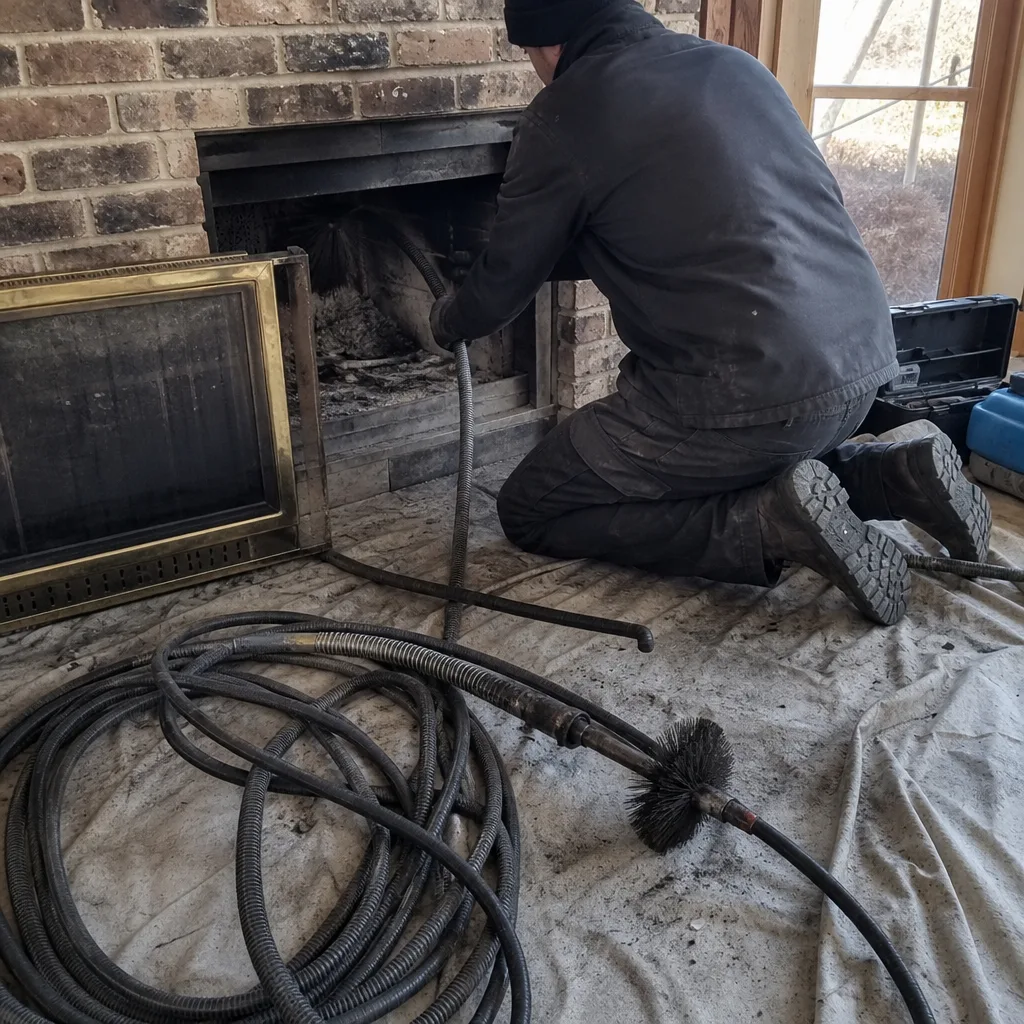 Before
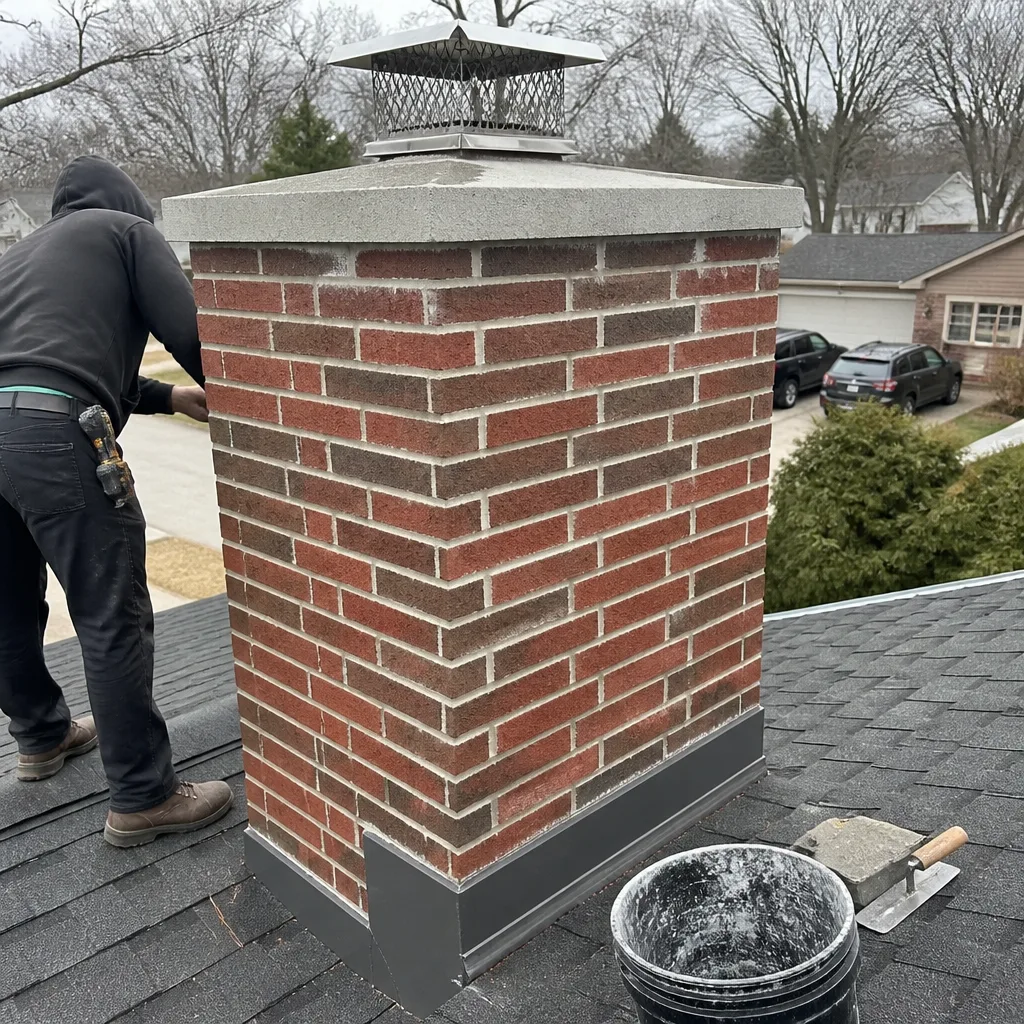 After
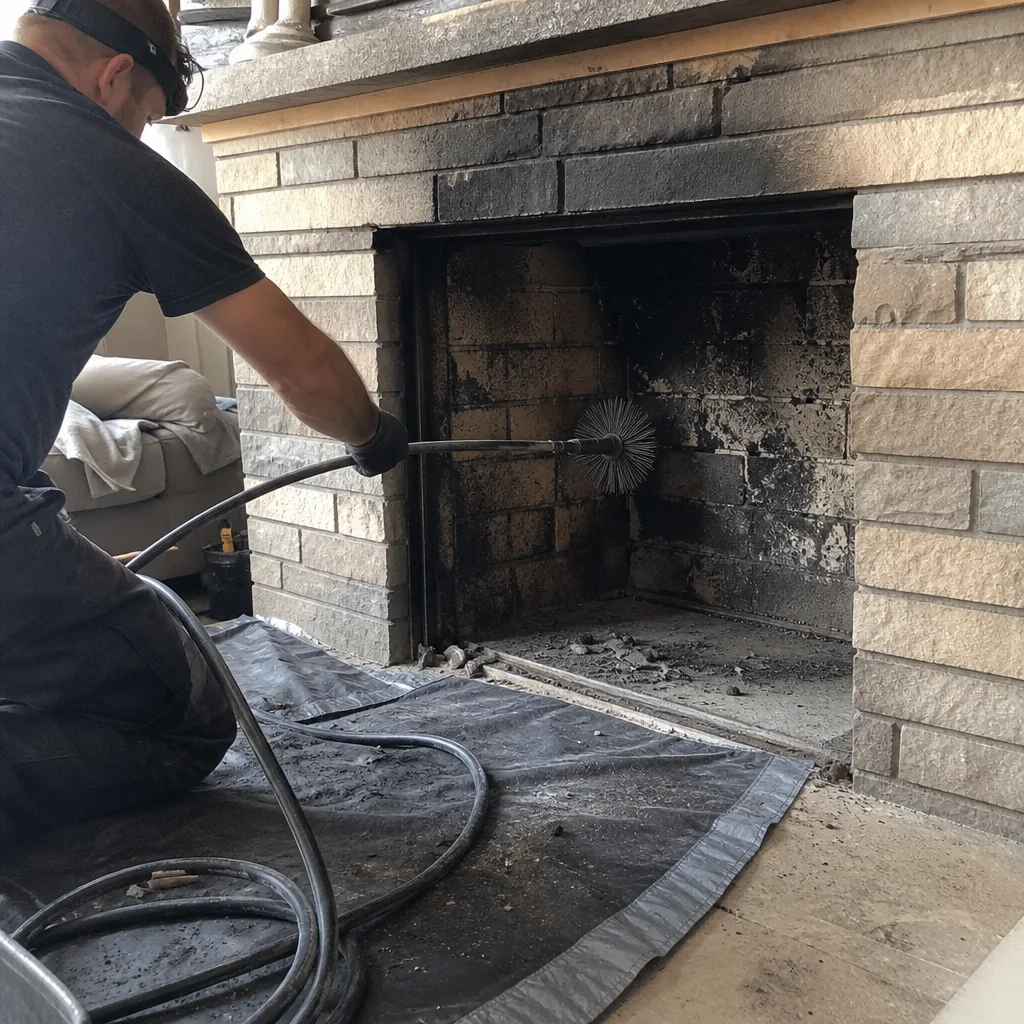 Before
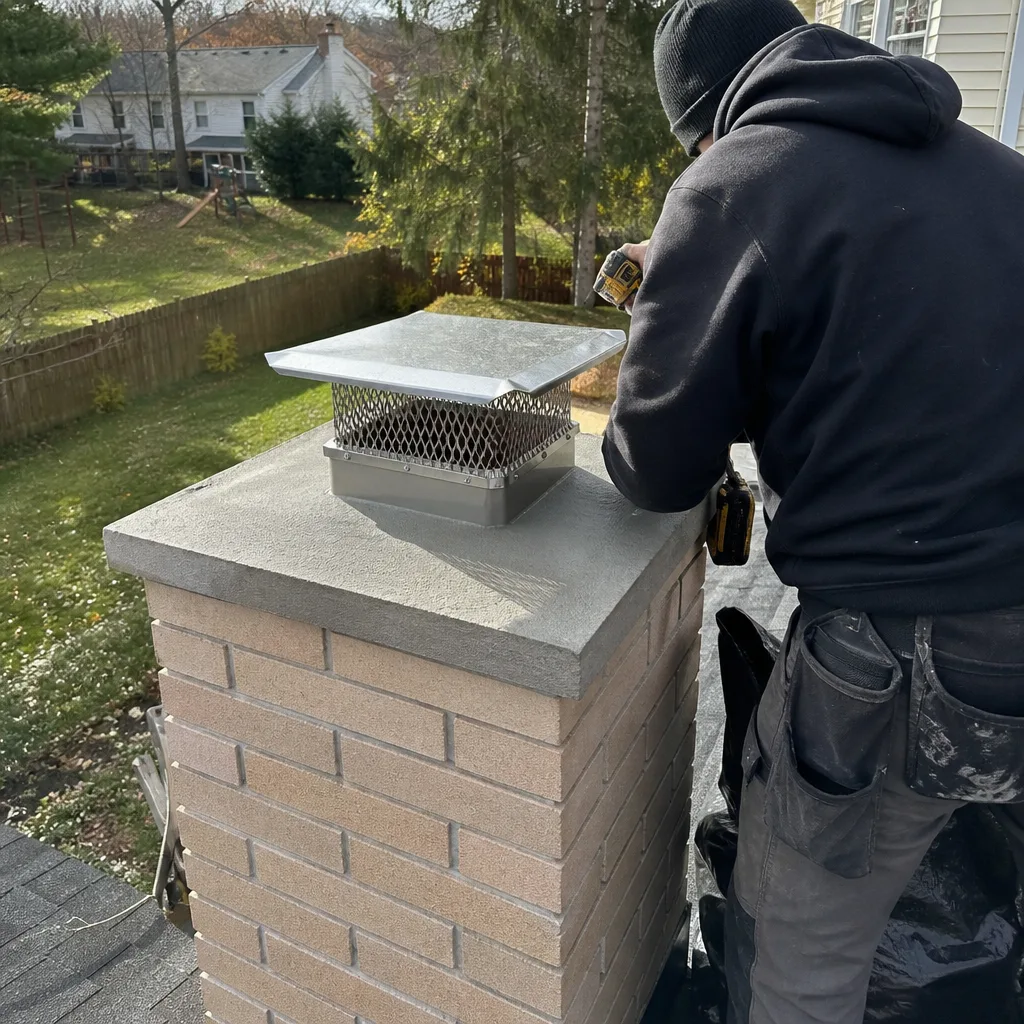 After
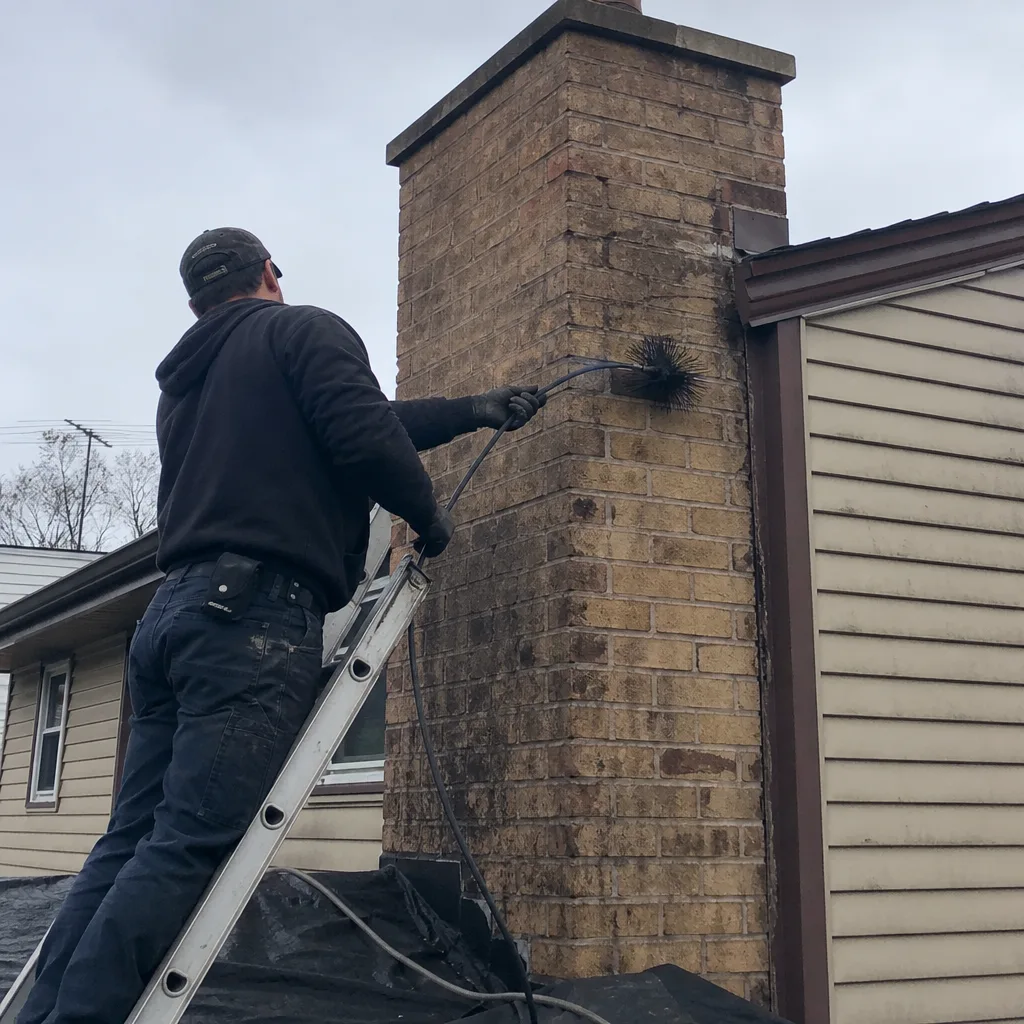 Before
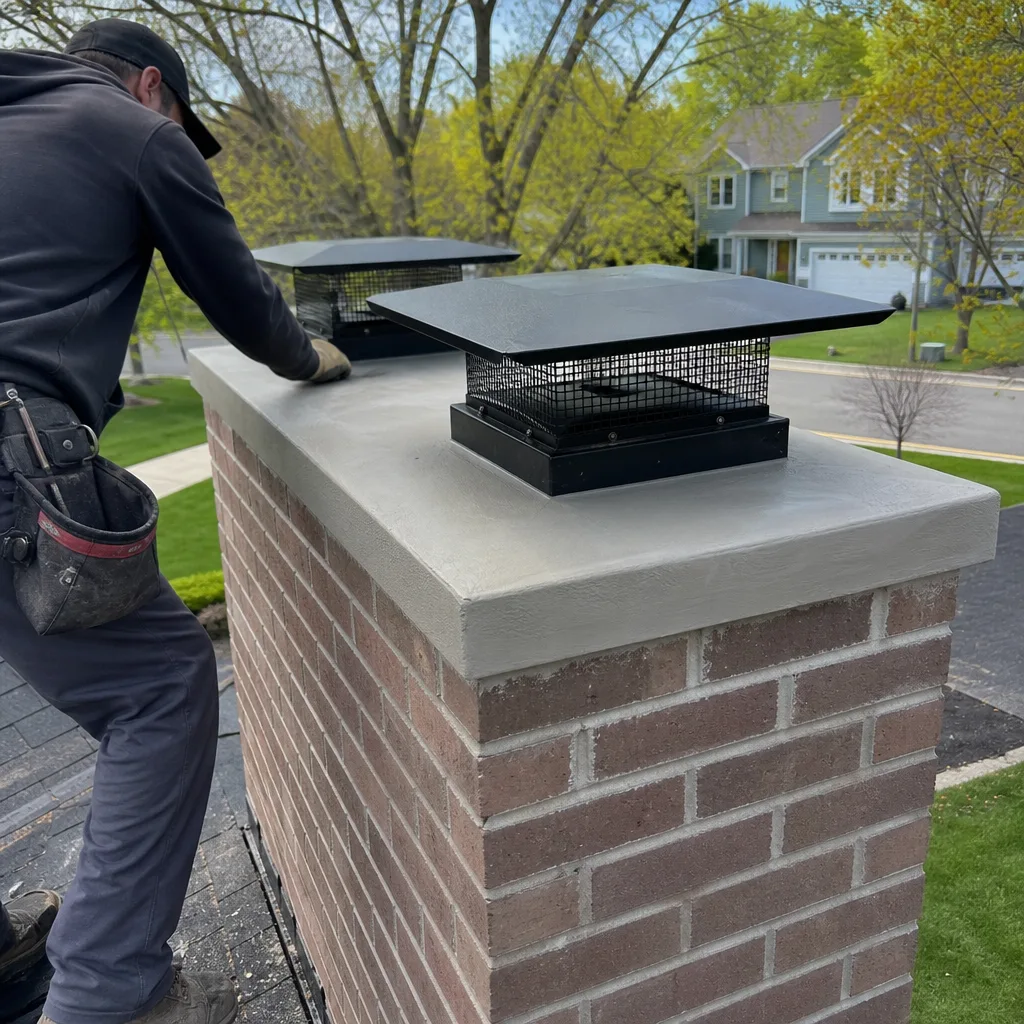 After