

Last updated October 31, 2026
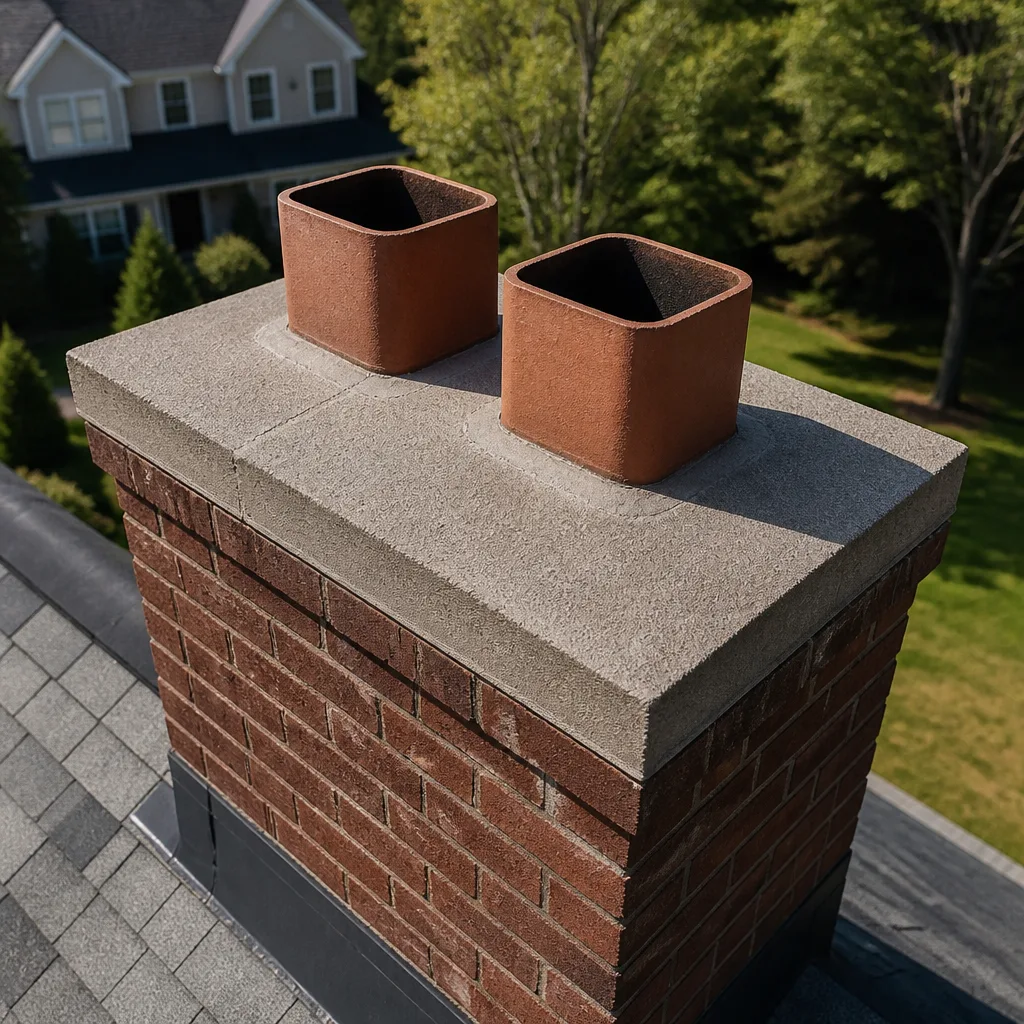 Sweep & inspection
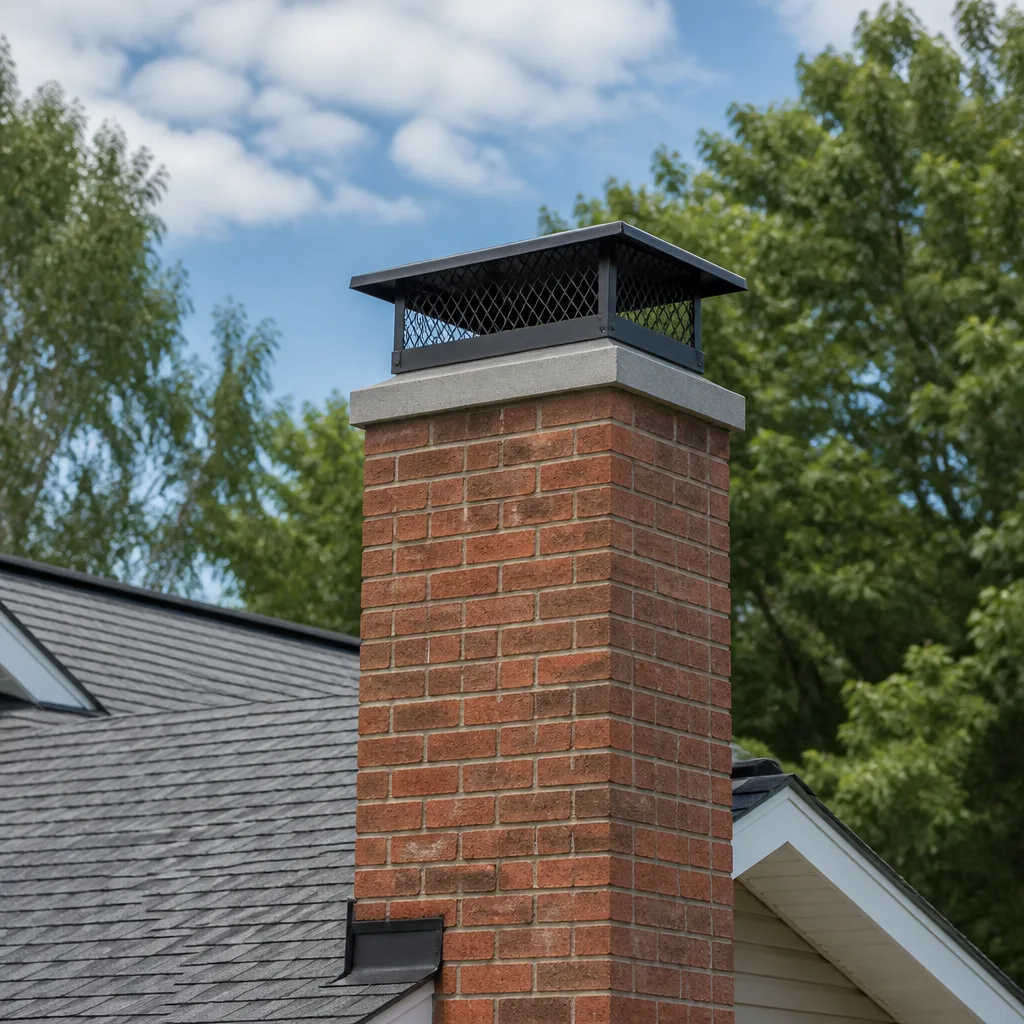 Caps & crowns
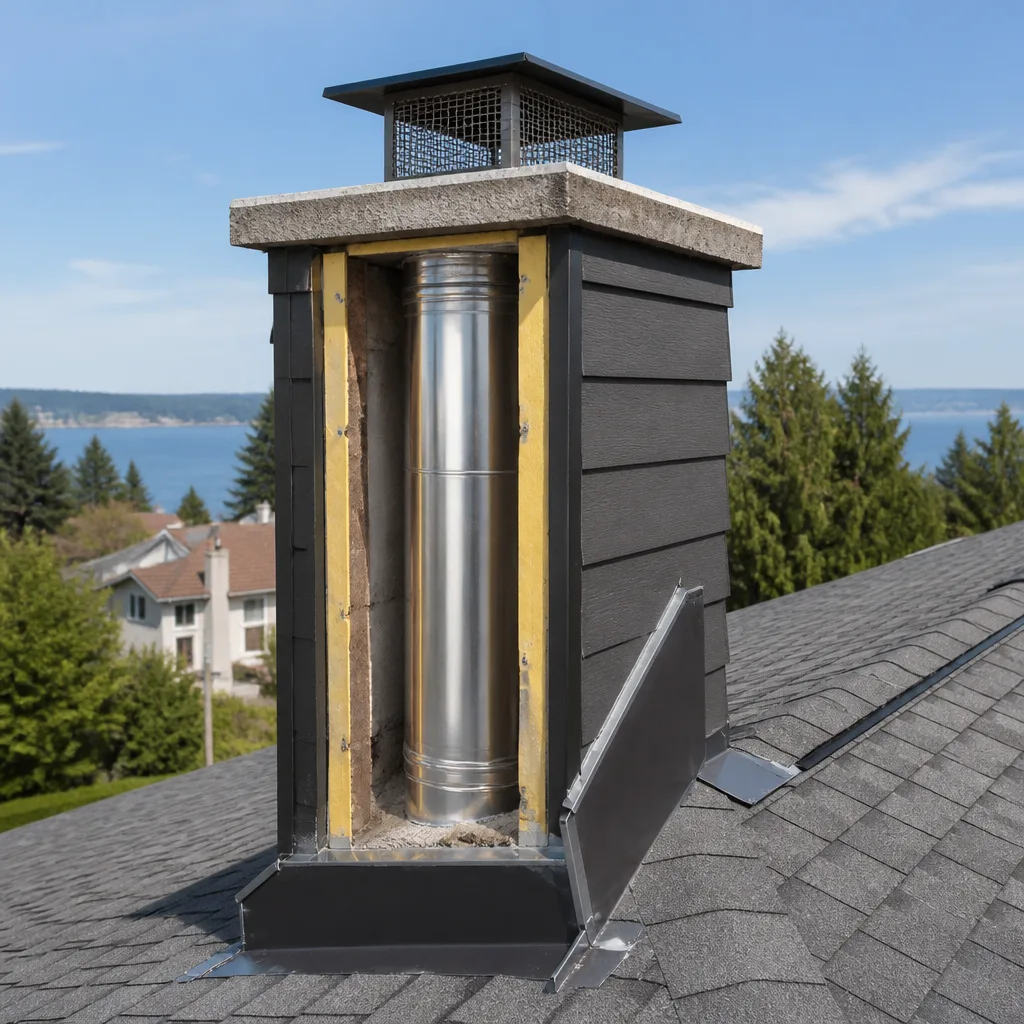 Flue relining
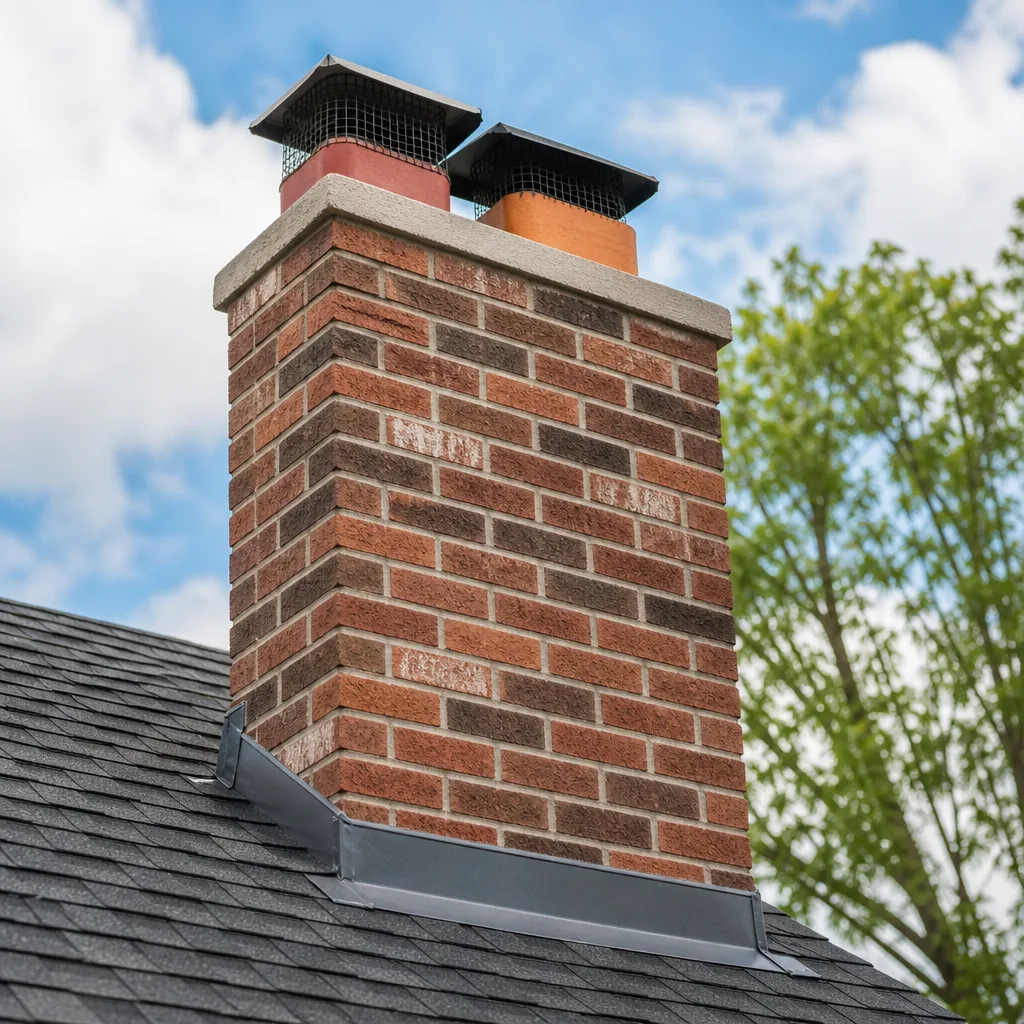 Masonry repair
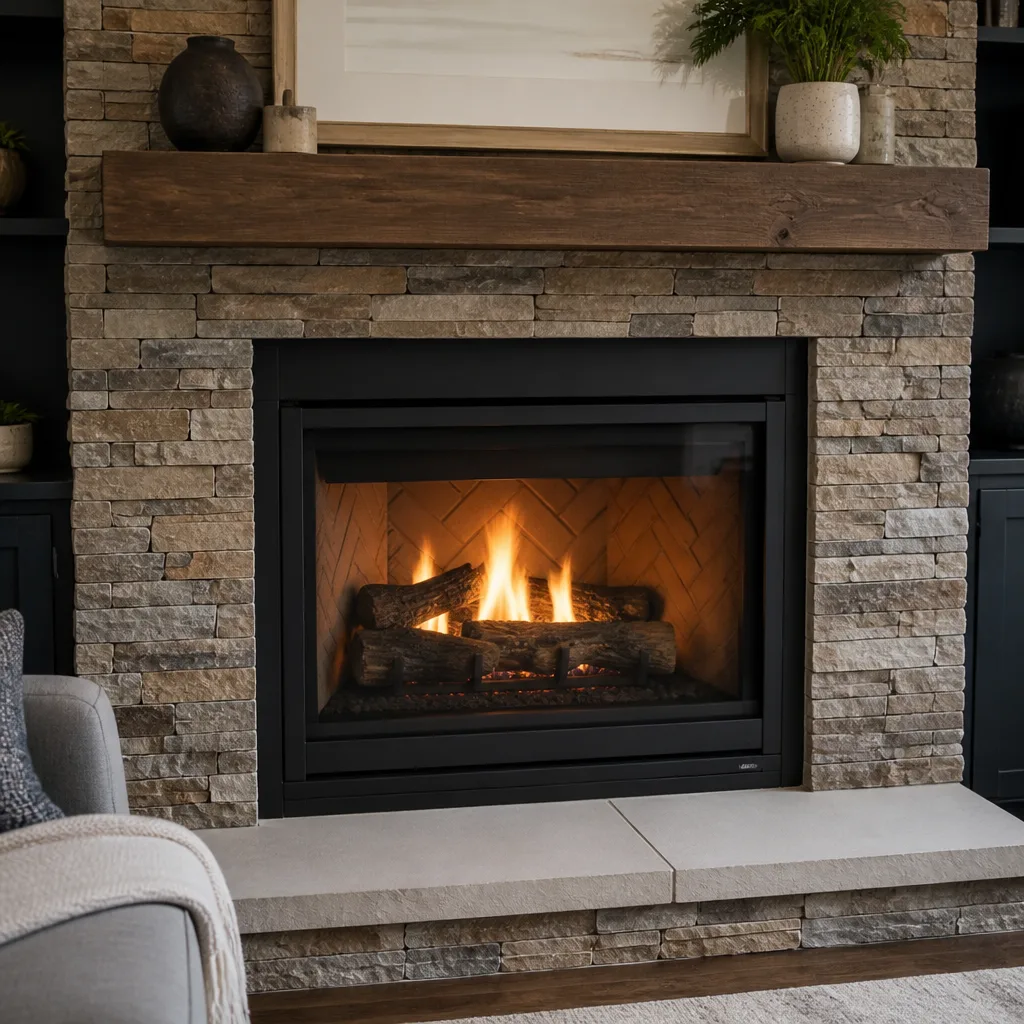 Gas fireplace service
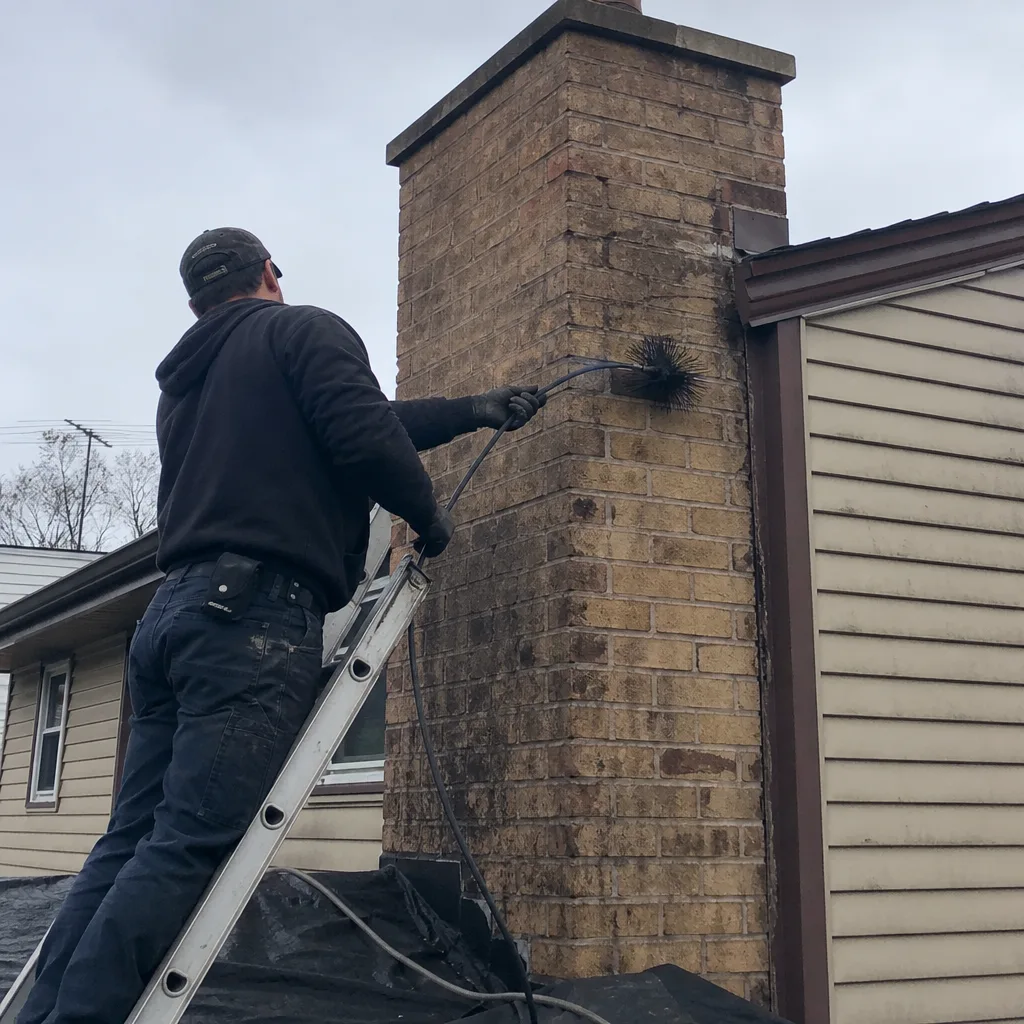
Level 1 sweep and inspection to the NFPA 211 annual standard - flue, crown, cap, and flashing checked and photographed
Chimney sweep logs do not sweep chimneys. They loosen some creosote - which then falls where a brush and vacuum still have to collect it.
Chimney Cleaning Emergency Preparedness Guide for Schaumburg Homes
A chimney fire sounds like a low-flying jet engine. Most Schaumburg homeowners who have never heard one mistake it for wind. By the time the sound registers as wrong, the flue tile is already cracking from temperatures exceeding 2,000°F. This guide walks through the three decisions that separate homeowners who handle chimney emergencies well from those who don’t, what a flue fire actually looks and sounds like from inside a Schaumburg living room, how to respond in the first five minutes, what carbon monoxide does to a household before anyone notices, and what a post-emergency inspection must include before the fireplace gets used again.
Styles & brands we work with
Quick Answer
Chimney fire emergency preparedness in Schaumburg comes down to three decisions made before anything goes wrong: knowing what a chimney fire sounds and looks like, knowing the immediate action sequence if one starts, and knowing what a post-emergency inspection must include. A chimney fire typically produces a loud rumbling or roaring sound like a freight train or low jet engine, and the correct immediate response is to close the fireplace damper and glass doors if present, evacuate the house, and call 911, not to open the fireplace or pour water on it. For a deeper look at recognizing trouble before it reaches this point, see our Chimney Cleaning Warning Signs: A Schaumburg Homeowner’s Reference Guide. After any chimney fire or suspected carbon monoxide event, the fireplace must not be used again until a Level 2 inspection with camera documentation is completed.
Table of Contents
- What a Chimney Fire Looks and Sounds Like from Inside the Home
- The Immediate Action Sequence for a Chimney Fire
- Carbon Monoxide Risk from Blocked or Deteriorated Venting
- What a Post-Emergency Inspection Must Include
- Practical Preparedness Items for Schaumburg Homes
- What to Tell the Fire Department When They Arrive
- Documentation to Gather for Your Insurance Claim
- Common Mistakes to Avoid
- When to Call a Professional
- Frequently Asked Questions
- The Bottom Line
What a Chimney Fire Looks and Sounds Like from Inside the Home
Most Schaumburg homeowners have never been told what a chimney fire actually sounds like, so they don’t recognize one when it’s happening in their own house. The sound is unmistakable once you know it: a deep, continuous rumble that most people compare to a freight train passing directly overhead, or a low-flying jet that doesn’t fade. It is not a crackle. Fireplace wood crackles. A chimney fire roars, and the roar comes from the flue itself, not the firebox.
Visually, a chimney fire often presents as a deep orange or yellow glow visible through the chimney cap or at the top of the flue from outside the house, especially at night. From inside the home, homeowners report seeing flames or glowing embers falling back through the damper area, heavy dark smoke pulsing from the chimney, and in some cases, a vibrating or shaking sensation in the chimney breast or adjacent walls. The roar and the vibration together are the signature. What’s burning is creosote, the tarry, condensed byproduct of wood smoke that accumulates on flue walls over dozens or hundreds of fires. Third-degree glazed creosote is hardened fuel, and once it ignites, it burns like a solid propellant, not like wood.
In Schaumburg’s climate, the burn season stretches from October through April, and the shoulder months are where most chimney fires occur. Homeowners burn the first fire of the season in October after eight months of accumulated creosote from the previous winter, or they burn a late spring fire in April with a flue that never got a year-end cleaning. The fire doesn’t care what month it is. The creosote is there, and the heat is enough.
Here’s the sequence that matters: the sound starts, the flue liner cracks under thermal shock, the fire finds a way into the masonry or the framing around the chimney. Flue tile is not designed for 2,100°F. It’s designed for maybe 1,000°F on a hot burn. The crack is where the next fire escapes. Most chimney fires don’t burn the house down on the day they happen. They damage the flue, and the house burns later, on an ordinary evening, from a fire that’s now burning inside the wall cavity instead of inside the tile.
That’s why the Duke Chimney Sweep home approach starts with a full system inspection. A flue that has experienced a chimney fire needs more than a visual once-over. It needs interior camera documentation of every foot of liner, because what you can’t see is what burns the house down later.
Why the First Minutes Matter More Than Most People Realize
In our experience, the homeowners who do the most damage after a chimney fire are the ones who try to keep the event small. They close the glass doors but then reopen them to check. They pour water on the firebox logs to knock down the visible flames, which has zero effect on a fire burning twenty feet up inside the flue. They call a sweep the next day and ask for a visual check, then light another fire. The window between “possible chimney fire” and “confirmed flue damage” is where houses get burned.
The Immediate Action Sequence for a Chimney Fire
If a Schaumburg homeowner hears the roar or sees the signs of a chimney fire, the sequence is specific and should not be improvised in the moment. Here’s what to do, in order.
- Close the damper and the glass doors if the fireplace has them. This cuts oxygen to the firebox and, more importantly, to the flue. A chimney fire feeds on air moving up the flue. The damper is your primary choke point.
- Do not open the fireplace doors again. Even if the fire in the firebox looks calm, the flue fire is still active. Opening the doors introduces a surge of oxygen and can pull flames or embers into the room.
- Do not pour water on the firebox or into the chimney. Water on hot flue tile causes instant thermal cracking, and water plus burning creosote does not extinguish a flue fire. It damages the chimney further.
- Evacuate the house and call 911. A chimney fire is a structure fire until a professional says it isn’t. Schaumburg fire crews respond to chimney fire calls regularly and will check for extension into the attic and wall framing using thermal imaging. Let them do that job.
- Do not re-enter the house until the fire department clears it. The visible fire may be out, but hidden extension into framing can smolder for hours.
- Do not use the fireplace again until a Level 2 inspection is complete. This is not a suggestion. A chimney fire voids your assumption that the flue is intact. The next fire is the one that tests whether the crack holds.
Schaumburg’s fire department is responsive and well-equipped for this specific call type. When the crew arrives, the information you give them changes the quality of their response. Tell them you suspect a chimney fire, tell them where the fireplace is located in the house, and tell them whether you have a gas appliance venting into the same flue system or a separate one. That last detail matters because gas appliance flues inside the same chase can be damaged by the same fire.
The order of operations after a chimney fire, once the fire department leaves, is inspection first, repair second, use third. Nothing about a chimney fire repairs itself over time. Flue tile does not un-crack. The damage is static, which means the risk is static, which means every subsequent fire is a roll of the dice on a cracked system. A Chimney Repair in Wheeling-style Level 2 inspection with camera documentation is the only way to know what happened inside the flue. The same standard applies in Schaumburg.
Carbon Monoxide Risk from Blocked or Deteriorated Venting
Carbon monoxide is the other chimney emergency, and it’s the one that doesn’t announce itself with a roar. It arrives as a headache. As fatigue. As nausea that the homeowner attributes to a flu bug, or a long work week, or the family gathering where everyone seems tired at the same time. CO is colorless, odorless, and heavier than air in some conditions, lighter in others, depending on temperature. It collects in a house the way water fills a bathtub. The people inside don’t notice until the concentration is already high.
In Schaumburg, where winter temperatures routinely drop below freezing and gas furnaces and water heaters cycle on and off all night, a blocked or deteriorated venting system becomes a carbon monoxide delivery mechanism. Gas appliances vent combustion gases through flue pipes or a dedicated chimney flue. When that pathway is blocked by a bird nest, a collapsed flue tile, a failed mortar joint, or years of accumulated debris, the gases have nowhere to go except back into the house. The appliance may still run. The CO detector may not trigger until the concentration crosses the alarm threshold, which is already well into the danger zone for sensitive occupants, children, and anyone sleeping.
We’ve seen carbon monoxide calls in the Schaumburg area where the homeowner was convinced they had the flu, and the only reason anyone checked was the CO detector finally going off after three days of headaches. The symptoms list is insidious: headache, dizziness, weakness, upset stomach, chest pain, confusion. In a household with multiple people, the symptoms often present in sequence, not simultaneously, which makes it easier to misread as a passing illness. Pets may show symptoms first because they’re smaller and spend more time near the floor.
The practical distinction between a flue fire and a CO event matters for emergency response. A flue fire is kinetic, noisy, and visible. A CO event is silent, gradual, and invisible. The only detection tool in most Schaumburg homes is a working CO detector, and placement relative to the fireplace and gas appliances is the single most important variable in whether that detector does its job.
Dryer vent systems are a related but often overlooked carbon monoxide pathway when the dryer is gas-fired. A blocked dryer vent doesn’t just create lint fire risk. On a gas dryer, a blocked vent forces combustion gases back through the appliance and into the laundry room. This is why Dryer Vent Cleaning in Wheeling, done on schedule, matters as much for CO safety as it does for fire prevention. The same principle applies to every Schaumburg laundry room with a gas dryer.
What a Post-Emergency Inspection Must Include
After any chimney fire, suspected CO event, or sudden blockage, a visual-only check of the flue is insufficient. Here’s why: the damage that matters is almost always inside the flue, behind the smoke chamber, or in the connector piping where a flashlight from the roof or the firebox cannot reach. A chimney sweep who looks up from the firebox and says “looks fine” is not performing an inspection. They’re performing a glance.
A proper post-emergency inspection includes:
- Interior camera documentation of the entire flue, from firebox to cap. The camera records cracks, spalling, gaps in the mortar joints, and any separation between flue tile sections. Flue tile cracks after a chimney fire are often hairline, which means they’re invisible to the naked eye from either end but visible on a camera pushed through the flue.
- Smoke chamber examination. The smoke chamber sits between the firebox and the flue. It’s the most common place for creosote to accumulate in dangerous thickness, and it’s the hardest place to see from either end. A Level 2 inspection includes this area specifically.
- Connector pipe check for gas appliances. If a gas furnace, water heater, or dryer vents through the same chimney system, the connector piping must be checked for corrosion, blockage, and proper slope. A CO event triggered by backdrafting gas appliances requires this check before the appliance is run again.
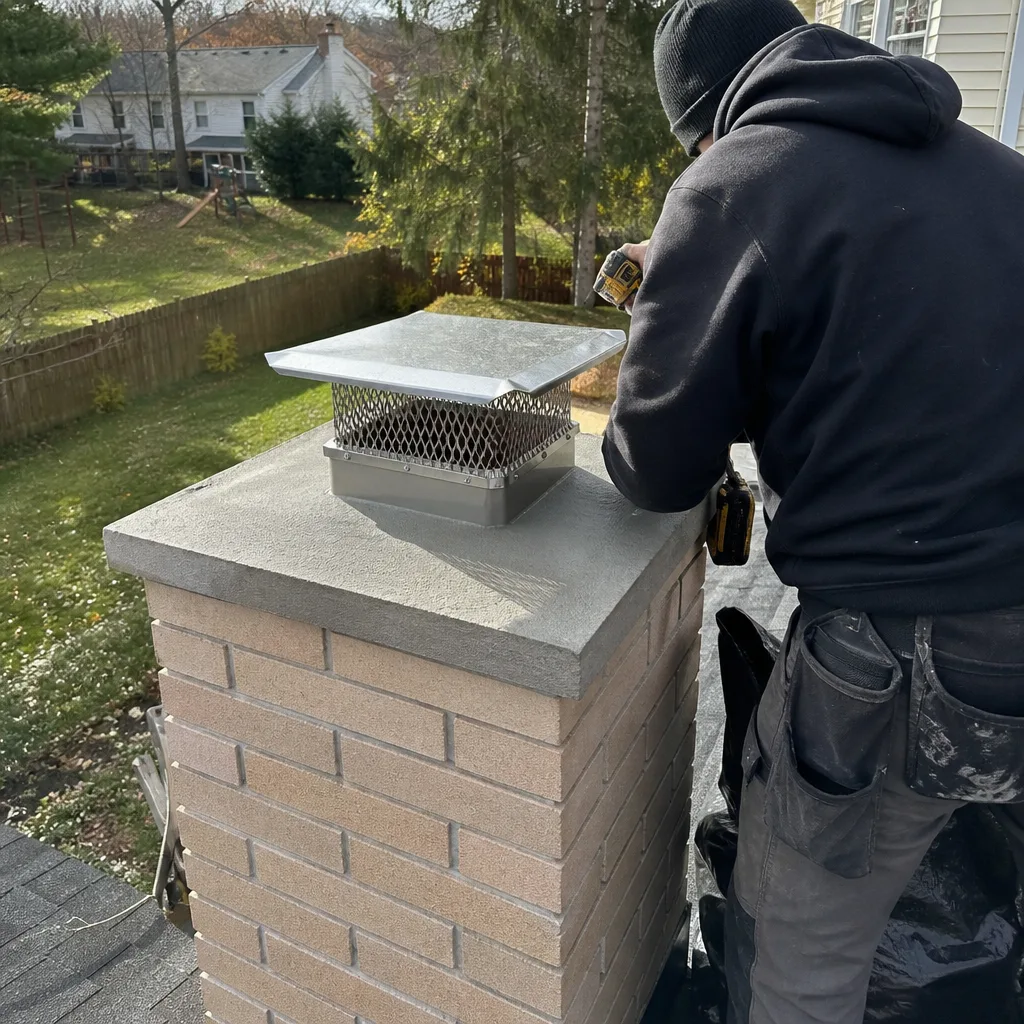
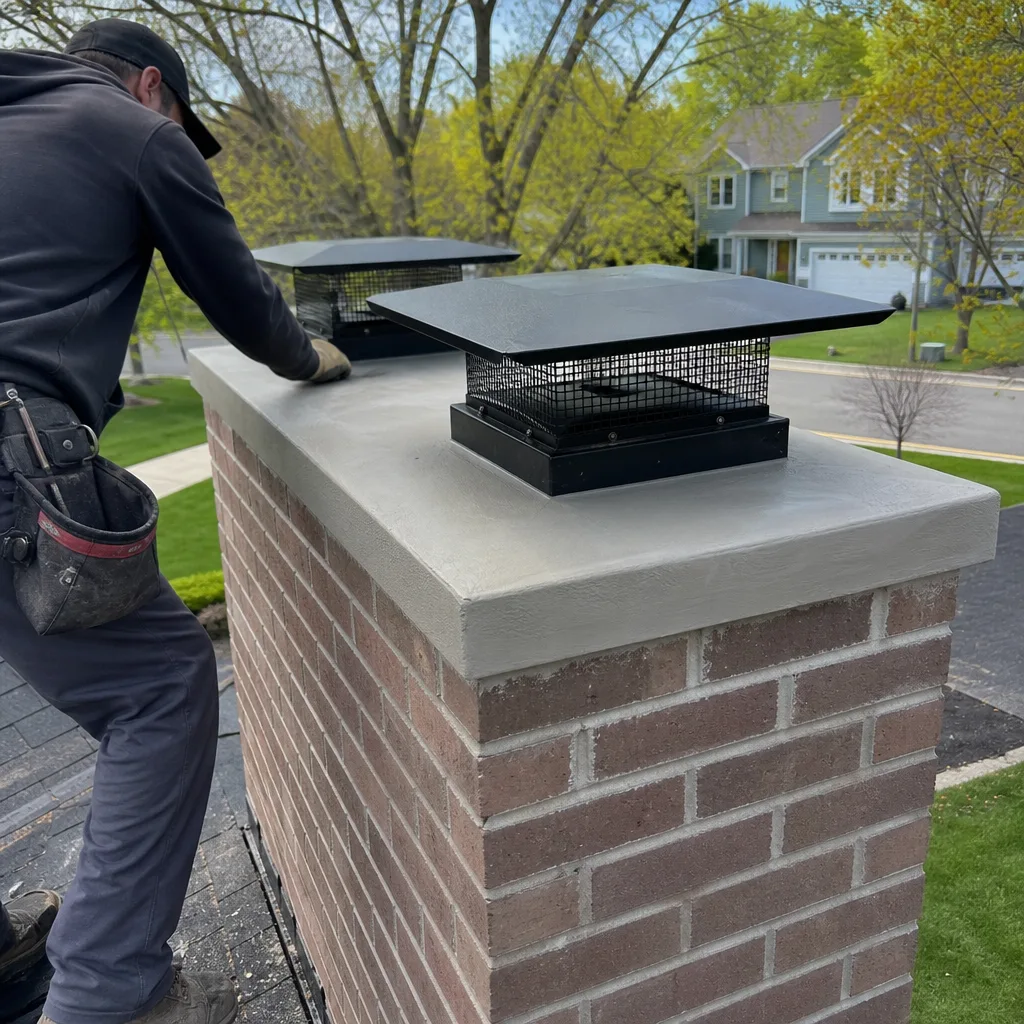
- Flue cap and spark arrestor evaluation. A chimney fire can warp or destroy the cap, and a damaged cap is how the next blockage starts.
- Masonry and flashing assessment from the roof level where accessible. The fire’s heat can crack the crown or loosen flashing, which becomes a water intrusion problem in the next hard rain.
The inspection standard that applies here is the Level 2, defined by the chimney and fire safety industry as the requirement after any operational change, system malfunction, or chimney fire. A Level 1 visual inspection is for annual maintenance on a system that hasn’t changed. After a fire, a Level 2 is the minimum defensible standard, and any sweep who tells you otherwise is either untrained or hoping you won’t ask.
Camera documentation matters for more than diagnosis. It creates the record you’ll need for insurance. If the flue tile is cracked and you file a claim, the adjuster will want to see the video. If you repair the flue and something fails later, the before-and-after documentation is what protects the repair. A proper post-emergency inspection produces evidence, not just an opinion.
Practical Preparedness Items for Schaumburg Homes
The homeowners who handle chimney emergencies best have made three specific decisions before any emergency starts. This is the preparedness part of the guide, and it’s less about buying gear than about setting up the house so that the dangers are caught early. Our Chimney Sweep Maintenance Checklist for Schaumburg Homeowners covers the routine steps that keep these emergencies from developing in the first place.
Decision one: CO detector placement relative to the fireplace and gas appliances. A CO detector in the hallway outside the bedrooms is good. A CO detector in the same room as the fireplace is better, and one on each level of the house is the standard. Schaumburg building codes require CO detectors in specific locations, but the code minimum is not the same as the safety maximum. Place a CO detector within 15 feet of any wood-burning fireplace and any gas-fired appliance, but not directly above or beside the fireplace where normal combustion byproducts from a cold start might cause nuisance alarms. The detector should be replaced every 5 to 7 years, depending on the model, and the test button should be pressed monthly during burn season.
Decision two: what documentation to keep current. Homeowners who can produce the last two or three years of chimney cleaning and inspection reports are in a much stronger position with their insurance company after a chimney fire. The reports establish that the system was maintained, which matters in a claim. Schaumburg homeowners should keep a simple folder, digital or paper, with the date of each cleaning, the findings, and any repair recommendations. If the insurance adjuster asks when the chimney was last swept and the answer is “I don’t remember,” the claim just got harder. If the answer is “October, same as every year, and here’s the report,” the conversation is different.
Decision three: knowing who to call before you need them. After a chimney fire, the fire department leaves, the adrenaline fades, and the homeowner is left with a damaged chimney and no plan. The homeowners who handle this best already have a chimney company’s number in their phone. They’re not searching for reviews at 10 PM while the house still smells like smoke. They call the company they’ve already used for annual Chimney Sweep in Wheeling-standard cleaning, and that company already has their inspection history on file. The emergency becomes a scheduling conversation, not a trust-the-stranger situation.
In our experience in Schaumburg, the households that manage chimney emergencies with the least disruption are the ones that treat annual cleaning as a fixed date on the calendar, the way they treat property tax filings or furnace filter changes. The emergency is less likely to happen at all, and when it does, the response is a phone call to a company that already knows the system.
What to Tell the Fire Department When They Arrive
When Schaumburg fire crews arrive on a chimney fire call, every second they spend figuring out the house layout is a second they’re not spending on the fire. The information you give them at the door changes the response.
Tell them:
- What you heard and saw. A roar, a glow at the chimney top, flames or embers falling from the damper, smoke pulsing from the cap. These details tell the crew what stage the fire is in.
- Where the fireplace is located in the house and which side of the chimney it’s on. This lets them target the thermal imaging camera at the right wall and ceiling cavity.
- Whether the house has gas appliances venting into the same chimney chase. A gas furnace or water heater sharing the chase is a secondary fire or CO risk the crew needs to know about.
- Whether anyone is still inside, including pets. Even if you think everyone is out, say it clearly.
- How long the fireplace was burning before the sound started, and what was being burned. This helps the crew estimate fire intensity and whether the fire may have extended into the attic.
The fire department’s thermal imaging will find extension that a visual check from the roof cannot. Let them do the job. Their clearance is what determines when you can re-enter the house, and their report is part of the documentation you’ll need for your insurance claim. Ask for the incident number before they leave.
Documentation to Gather for Your Insurance Claim
A chimney fire claim in Schaumburg follows the same pattern as any structure fire claim, but the specific documentation a homeowner gathers in the first 48 hours makes the difference between a smooth claim and a contested one. Here’s the list.
- Fire department incident report. Ask for the incident number at the scene, then request the written report. It establishes that a fire occurred and documents the response.
- Photographs of everything, before any cleanup begins. The firebox, the chimney exterior, the roof around the chimney, any smoke damage to walls or ceilings, and any water damage from the fire department’s response. Take more photos than seems necessary.
- Prior chimney cleaning and inspection reports. These are the maintenance records that establish you weren’t negligent. If the chimney was cleaned annually and the report is in hand, the claim proceeds differently than if the last cleaning was eight years ago.
- The post-emergency Level 2 inspection report with camera documentation. This is the document that tells the adjuster exactly what failed inside the flue and what the repair scope is. Without it, the adjuster is guessing, and adjusters guessing means claims get underpaid.
- Written repair estimates from a qualified chimney company. One estimate is enough to start the claim, but a detailed, itemized estimate with material specifications is what moves it forward.
The reason we emphasize documentation as part of preparedness, rather than as an afterthought after the fire, is that the homeowners who have their prior inspection records are in a fundamentally different negotiation position than the ones who don’t. An insurance company’s first question after a chimney fire is almost always “when was it last cleaned and inspected?” The answer you can prove is worth more than the answer you can assert.
Common Mistakes to Avoid
- Reopening the fireplace doors during a chimney fire to check on it. This introduces a surge of oxygen to the fire and can pull flames or embers into the room. The doors stay closed until the fire department clears the scene.
- Pouring water on the firebox or into the chimney during a fire. Water plus hot flue tile equals instant cracking, and water does not extinguish a flue fire. It makes a damaged chimney worse while doing nothing to stop the actual fire.
- Skipping the Level 2 inspection after a fire and going straight back to normal use. A chimney fire voids every assumption about the flue. The next fire is the one that finds the crack.
- Attributing recurring headaches, fatigue, and nausea to flu season without checking the CO detector. Carbon monoxide symptoms are famously misread. In a Schaumburg winter, with sealed windows and a running furnace, the headache could be the furnace vent, not the flu.
- Placing a CO detector only in the hallway and never near the fireplace or gas appliances. The alarm still functions, but it detects the problem later, and later can be too late for someone asleep in a room closer to the source.
- Burning the first fire of the season in October without a fall chimney cleaning. The creosote from last winter spent eight months hardening in the flue. That first fire is the one that ignites it.
- Hiring a sweep who does a visual-only check after a suspected chimney fire and declares the flue fine. Hairline cracks in flue tile are invisible from the firebox or the roof. Camera documentation is the only check that counts after a fire.
When to Call a Professional
A professional chimney company should be called in Schaumburg after any suspected chimney fire, any CO detector alarm that cannot be attributed to a known source, any sudden blockage where smoke backs up into the room, or any time the fireplace or gas appliance venting shows visible damage to the flue, cap, or masonry. Before scheduling that call, review Chimney Cleaning Permits, Codes & Inspections in IL: What You Need to Know so you understand what standards apply. The same applies to any gas dryer vent that hasn’t been cleaned in more than a year, because lint blockage is both a fire risk and a carbon monoxide risk on gas appliances.
Duke Chimney Sweep offers free estimates in Schaumburg. Call (844) 660-6510 to schedule an inspection or cleaning. We work with DuraFlex liner systems and HeatShield resurfacing materials, which means the repair conversation after a chimney fire includes options beyond a full teardown where those options are appropriate.
Frequently Asked Questions
A standard chimney cleaning and inspection in Schaumburg typically runs between $180 and $340 for a single flue system, depending on the flue type, the level of creosote present, and whether any additional inspection components like camera documentation are needed. Gas fireplace flues and wood-burning flues have different cleaning requirements. Call (844) 660-6510 for an exact quote based on your system.
A chimney fire sounds like a deep, continuous rumble or roar, most commonly described as a freight train passing overhead or a low-flying jet engine that doesn’t fade. It is louder than normal fireplace sounds and originates from the flue itself, not the firebox. Many homeowners mistake the first few seconds for strong wind.
A wood-burning chimney should be swept once per year, typically in late summer or early fall before burn season starts, and more often if the fireplace is used heavily or if the wood being burned is less than fully seasoned. Gas appliance flues should be inspected annually even though they produce less creosote, because blockages and venting failures are still possible.
Not always. A Level 2 camera inspection determines whether the existing flue liner is intact or compromised. If the liner is cracked but the surrounding masonry is sound, a DuraFlex stainless liner can be installed without a full rebuild, and in some cases HeatShield resurfacing can restore the existing flue. A full reline or rebuild is only necessary when the damage extends beyond what resurfacing or a retrofit liner can address.
Creosote accumulates on the flue walls, and creosote is fuel. The risk of a chimney fire increases with every fire burned, and the fire, when it comes, burns hot enough to crack flue tile. The consequence is not just a dirty chimney. It’s a damaged flue that can allow a future fire to reach the house framing. Carbon monoxide risk from blockage rises along with the creosote buildup.
Yes, if the dryer is gas-fired. A blocked dryer vent forces combustion gases back through the appliance and into the laundry room instead of venting them outside. A dedicated dryer vent cleaning removes the lint blockage and restores proper venting. This is a fire-risk reduction service most chimney-only companies don’t offer with the same rigor.
The Bottom Line
A chimney emergency in a Schaumburg home is a system failure, not a random event, and the three decisions that matter most are all made before anything goes wrong. Learn what a flue fire sounds like so you can recognize it in the first seconds. Know the immediate action sequence: close the damper and glass doors, evacuate, call 911, and do not use the fireplace again until a Level 2 camera inspection is complete. Keep CO detectors placed near fireplaces and gas appliances, keep your cleaning and inspection records current, and have a chimney company you already trust in your phone. The emergency that finds you prepared is a repair. The emergency that finds you unprepared is a different kind of event entirely.
Written by the team at Duke Chimney Sweep, serving Schaumburg since 2016. Explore more guides & resources on chimney safety and maintenance.
See the difference
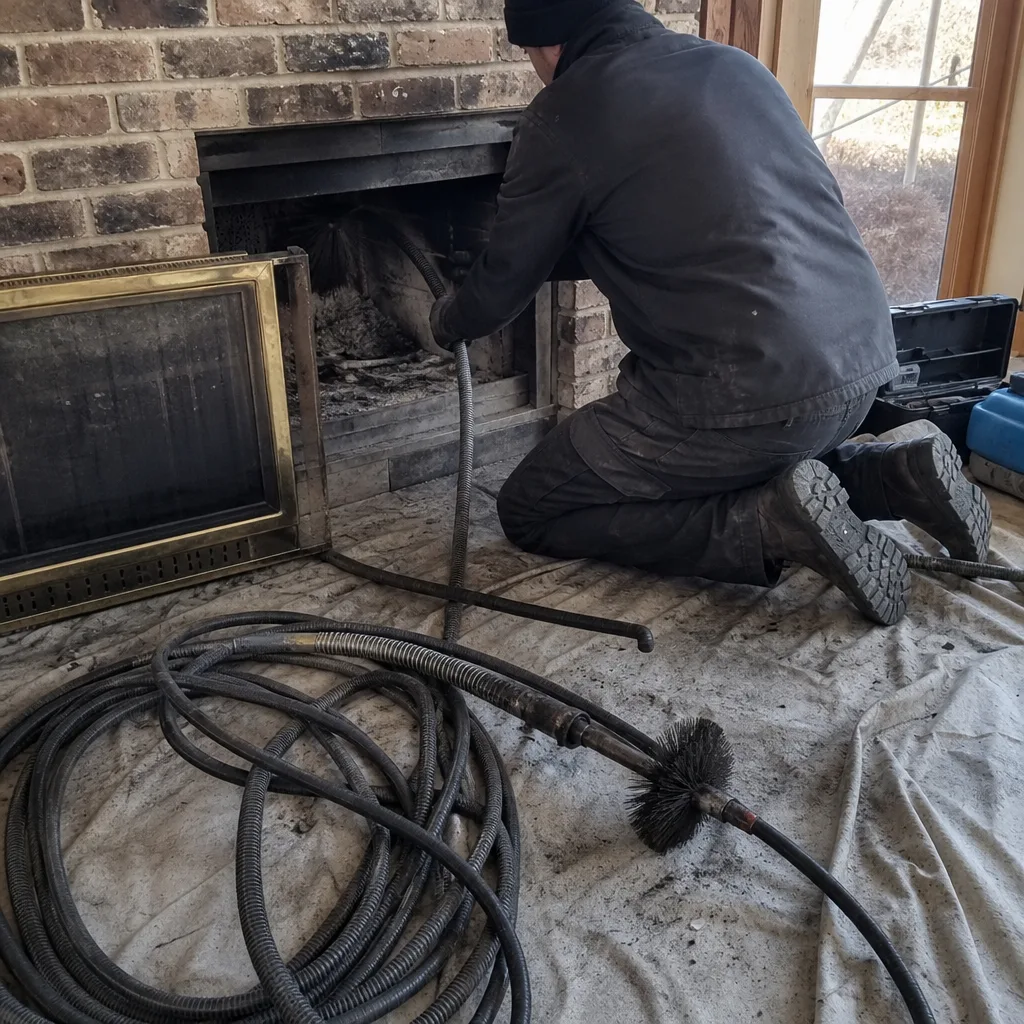 Before
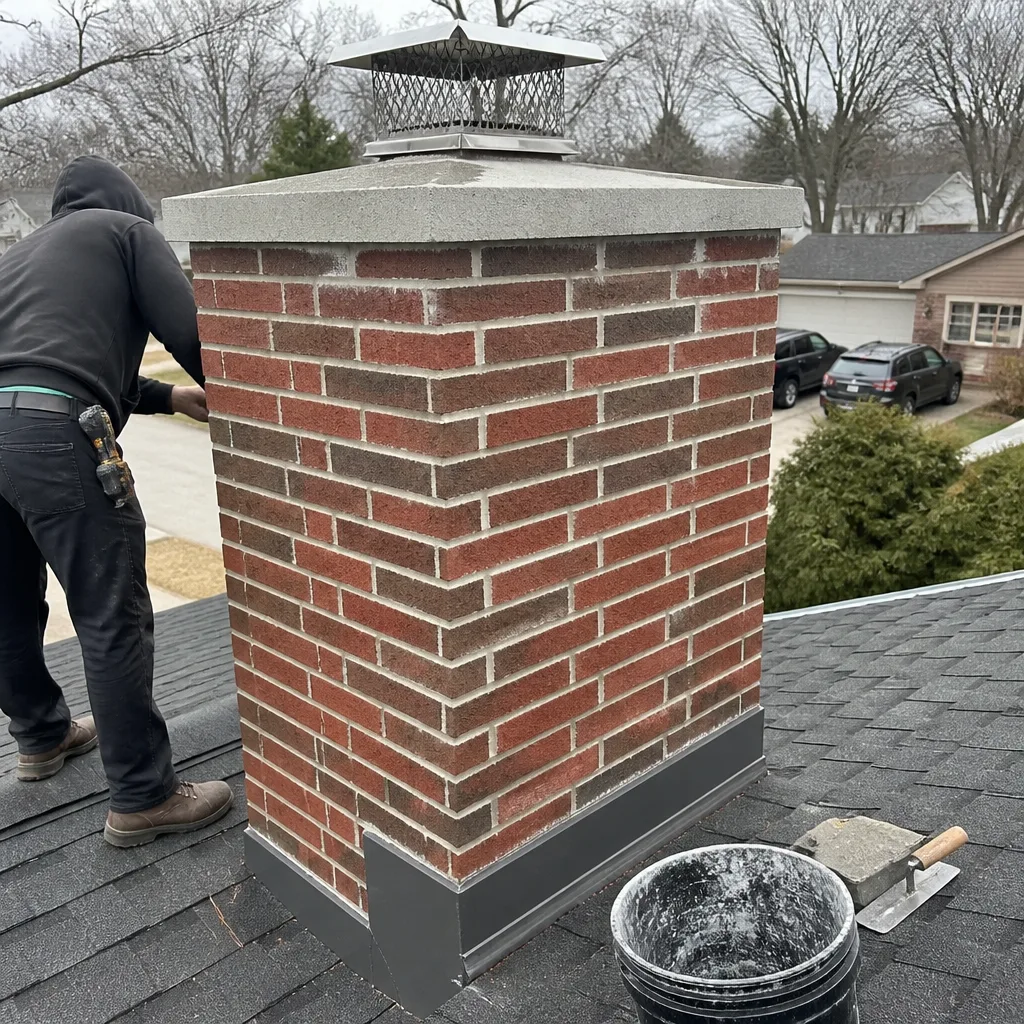 After
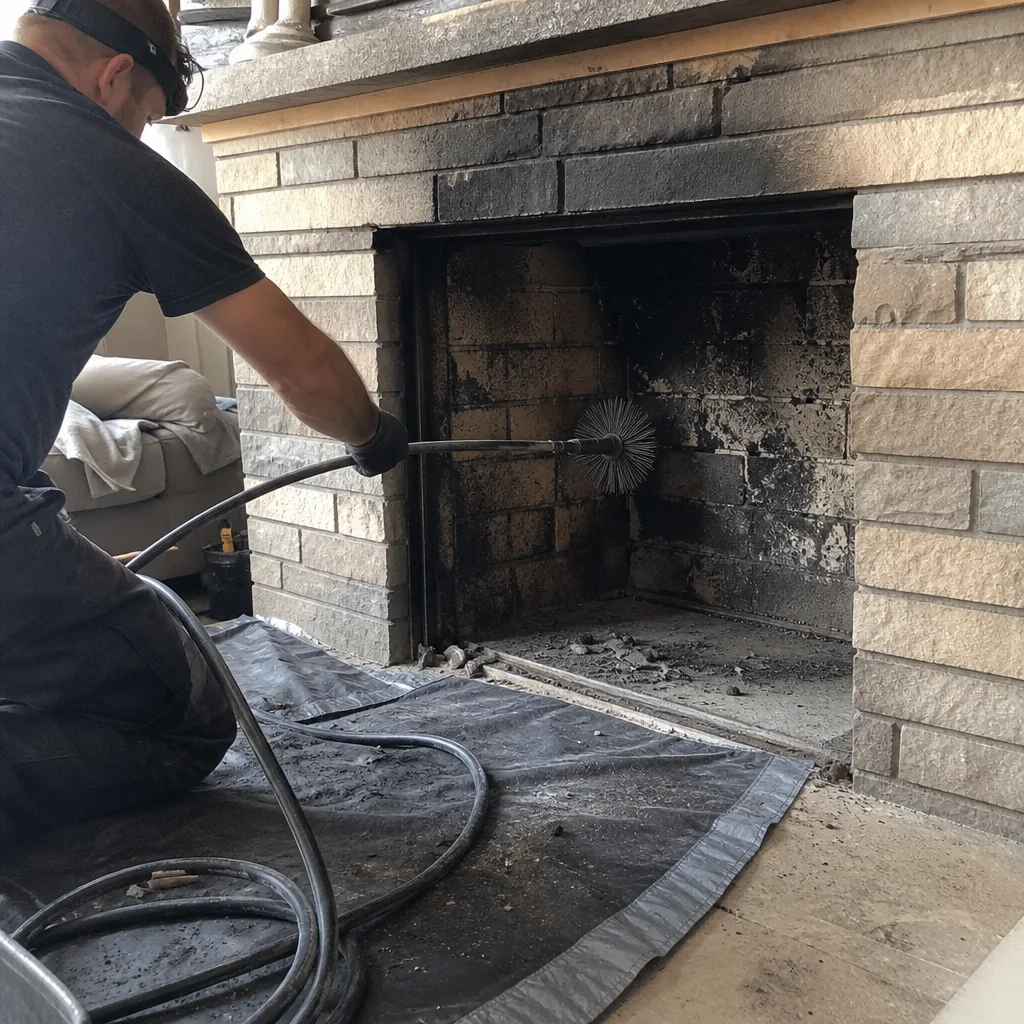 Before
 After
 Before
 After