

Last updated October 31, 2026
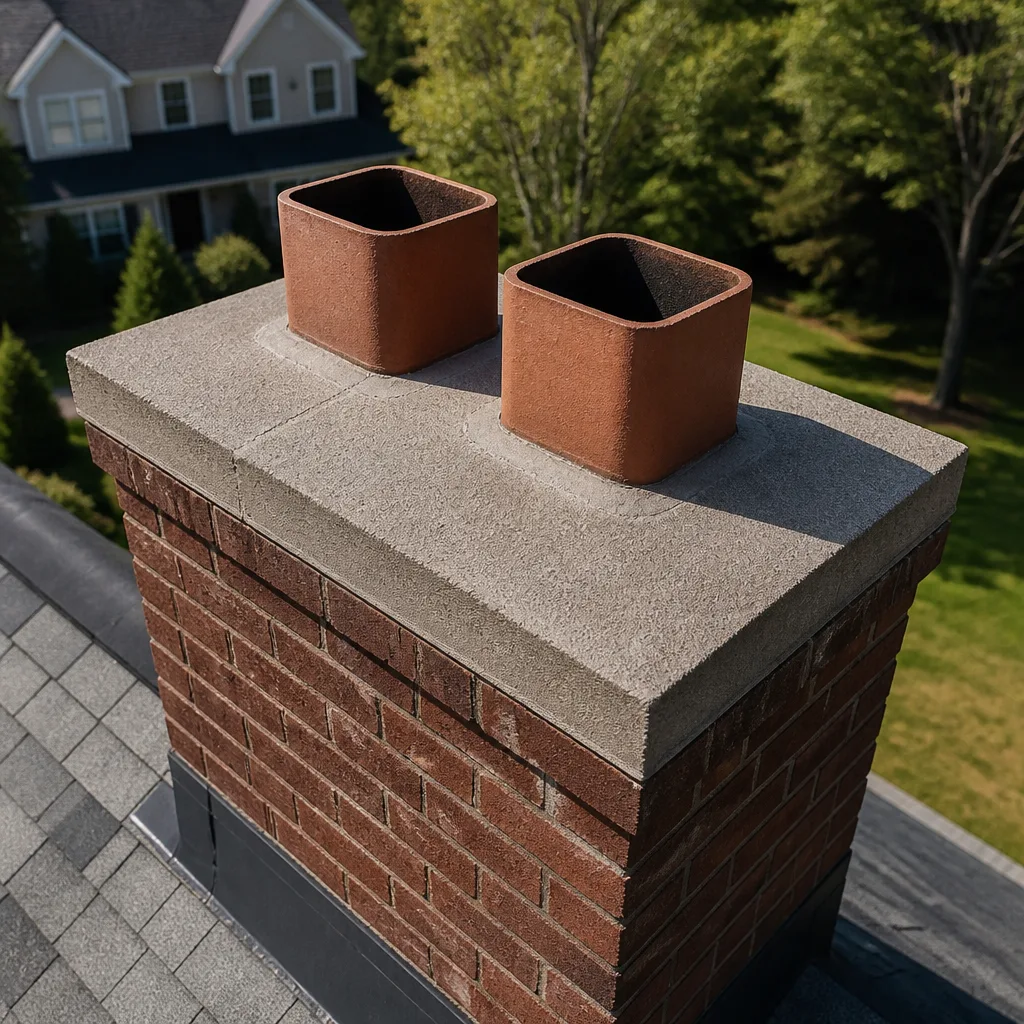 Sweep & inspection
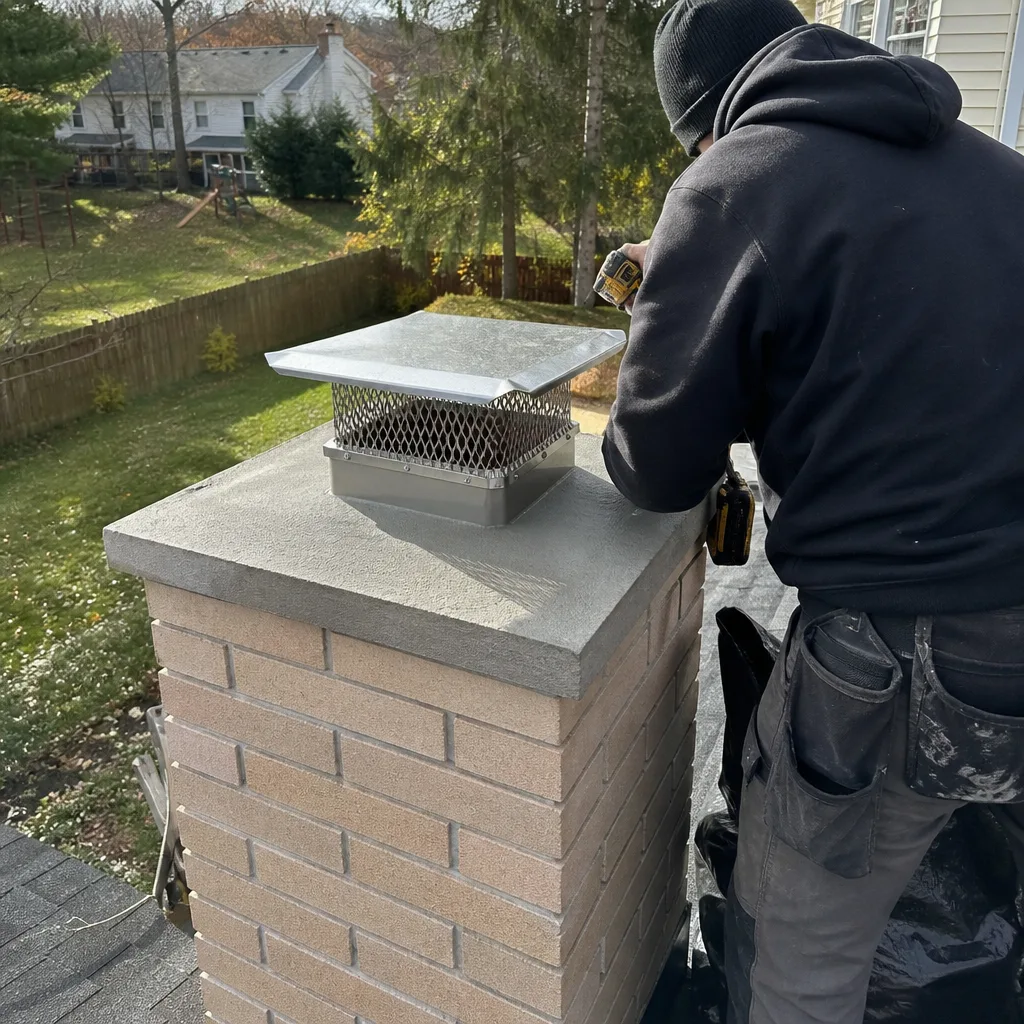
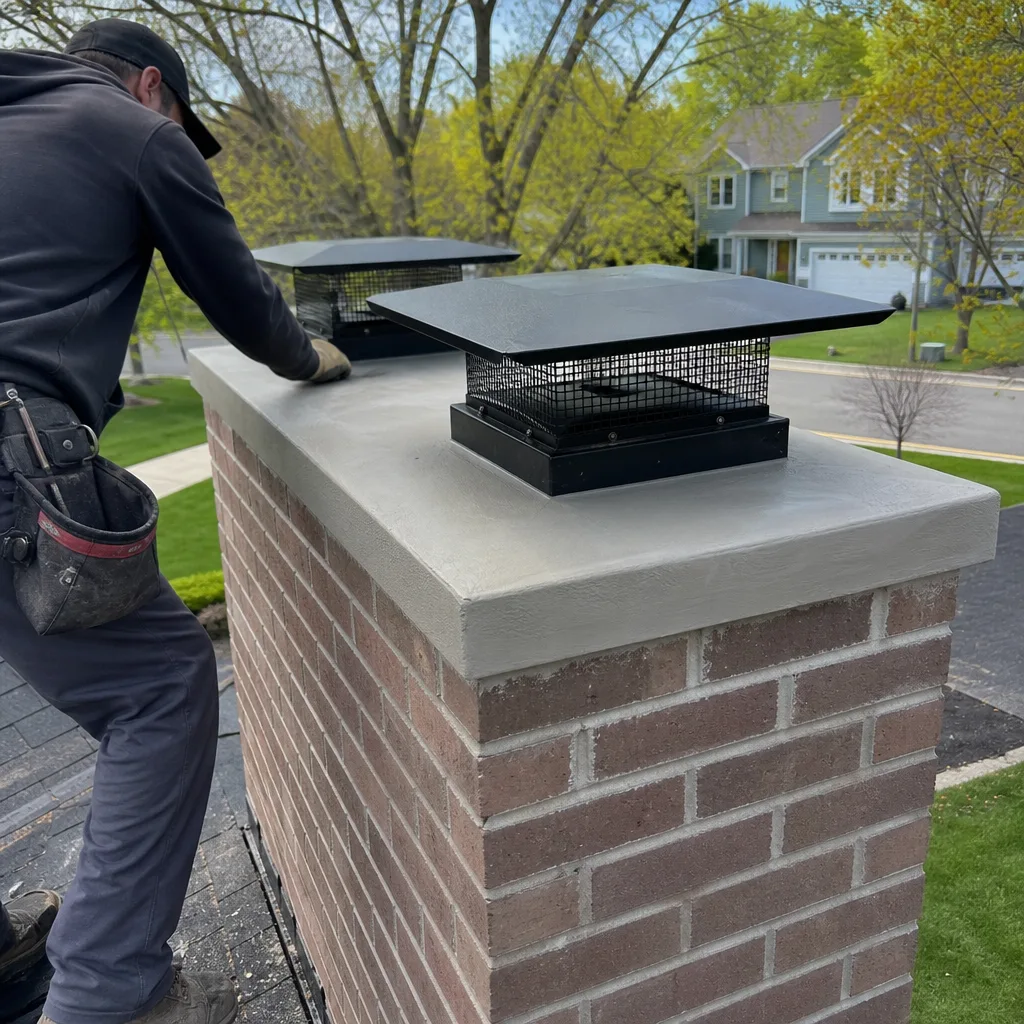
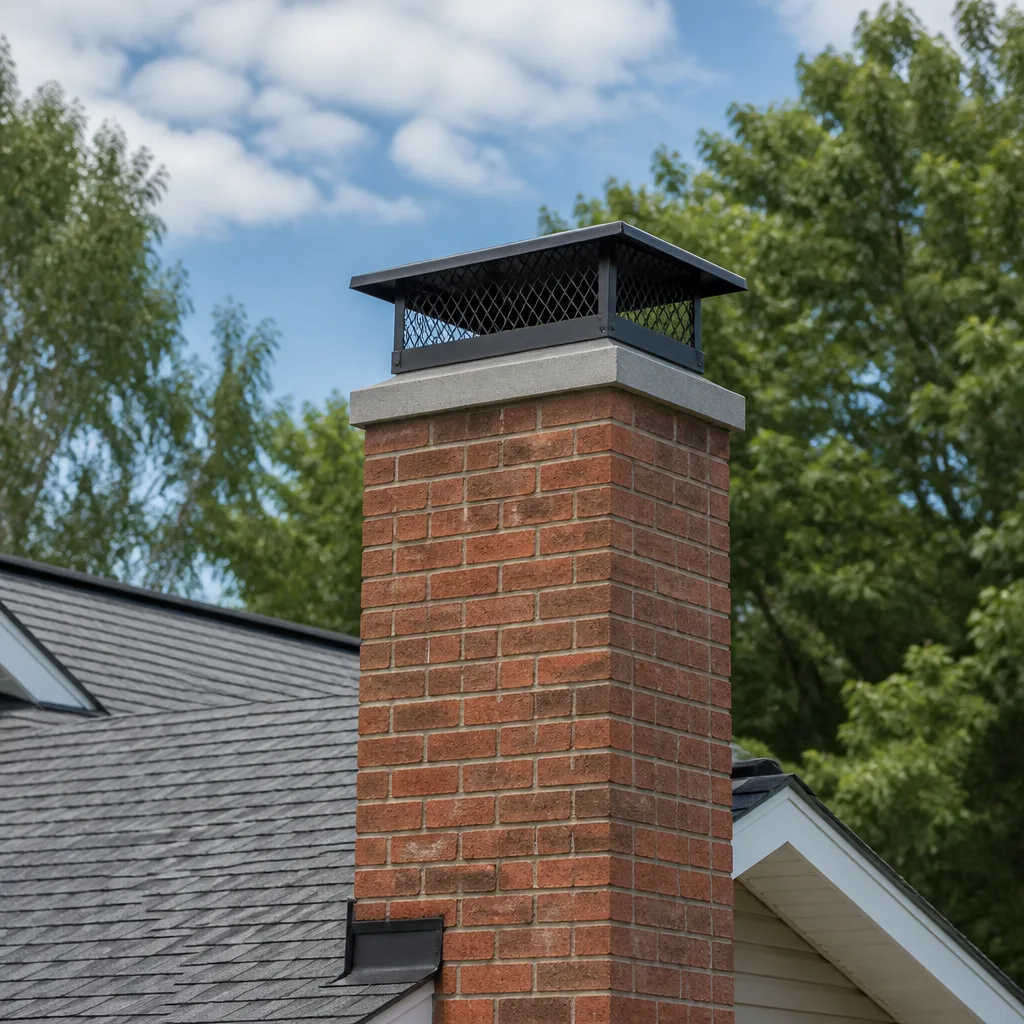 Caps & crowns
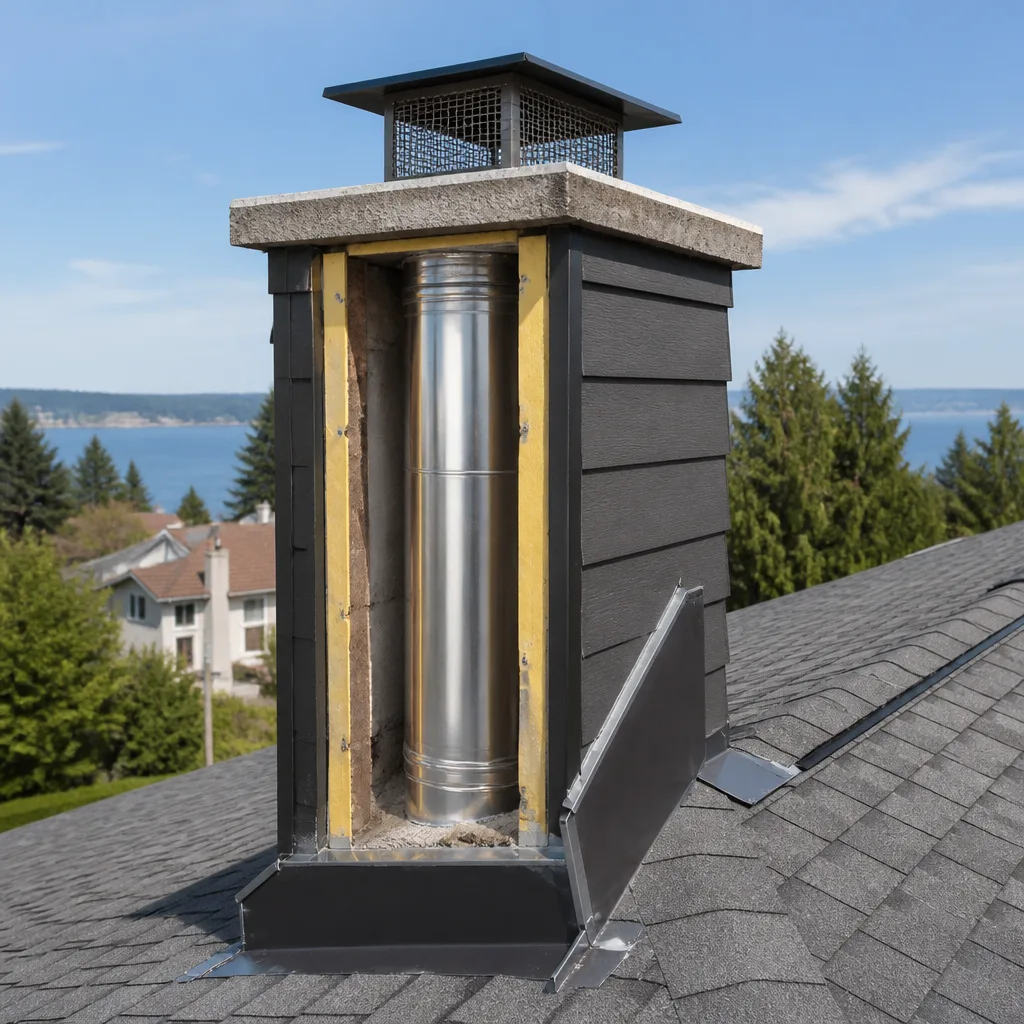 Flue relining
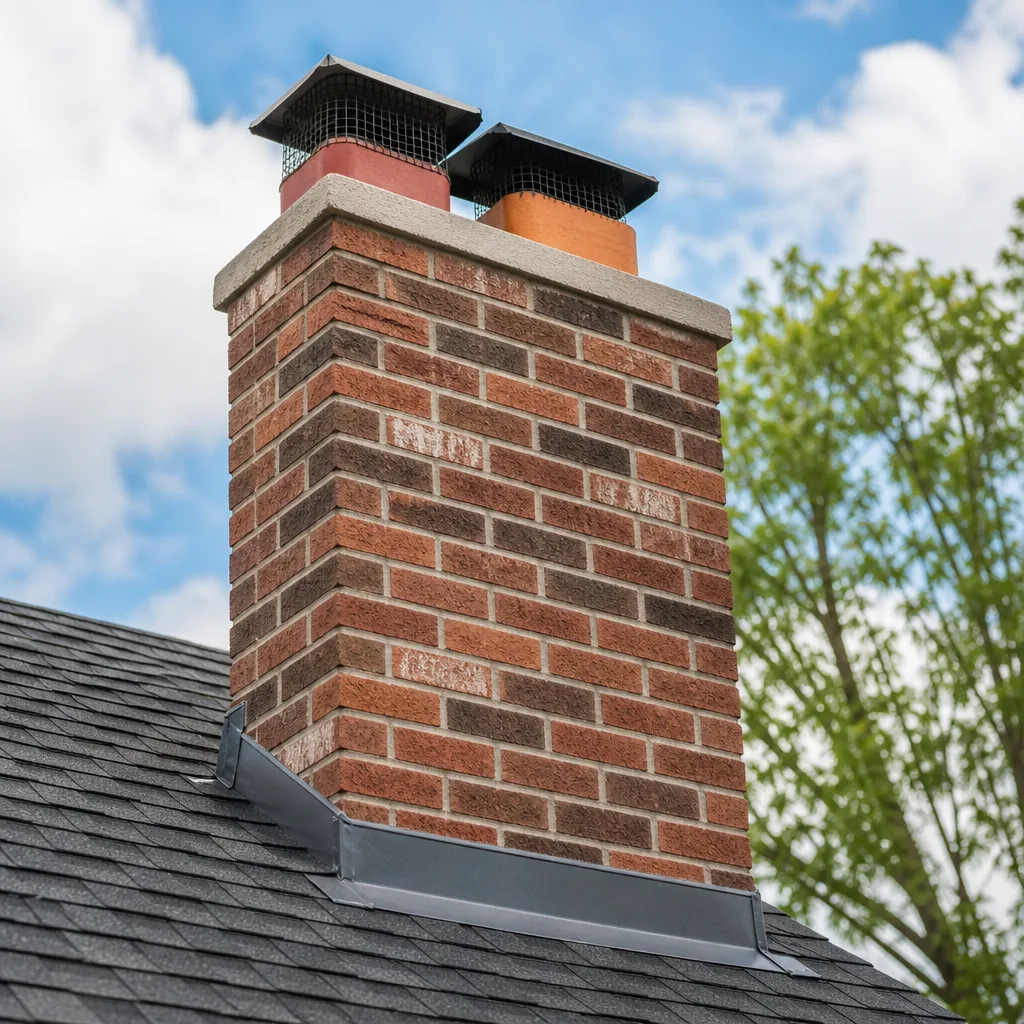 Masonry repair
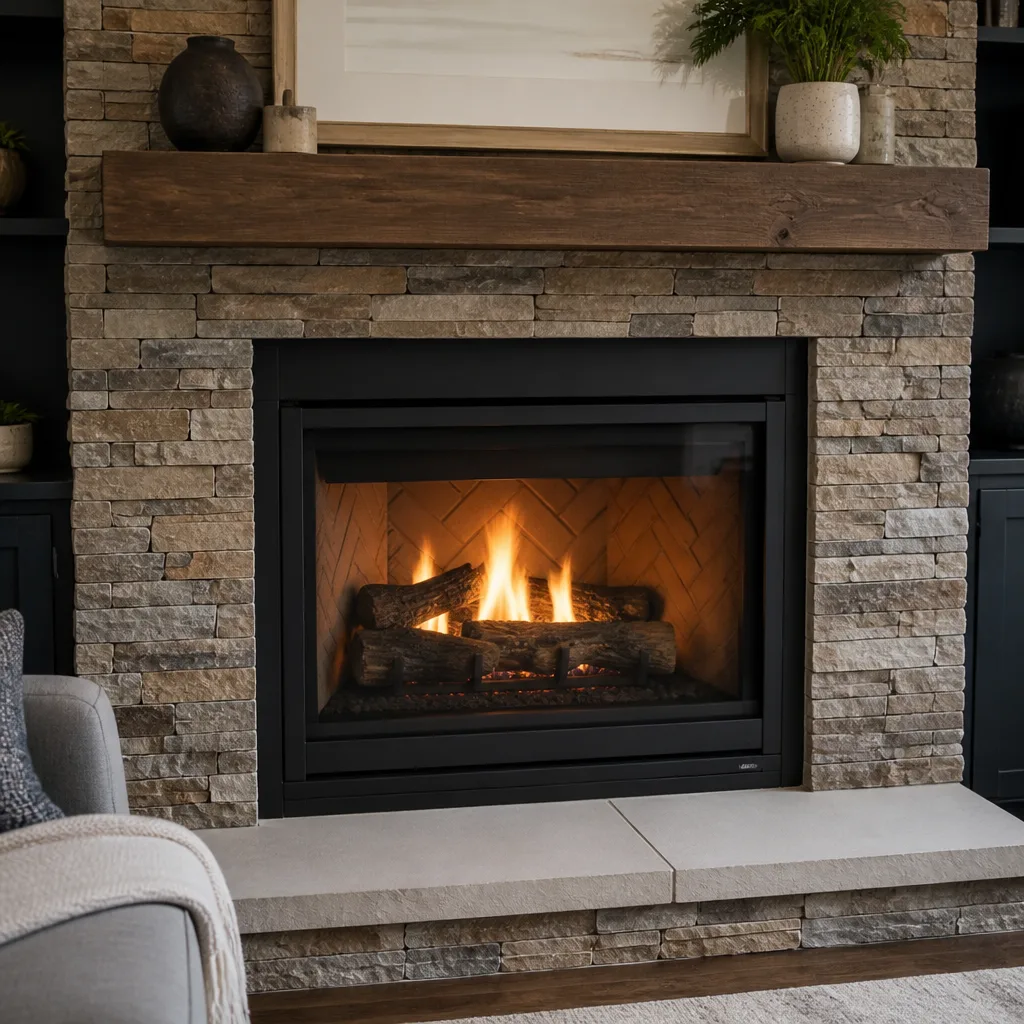 Gas fireplace service
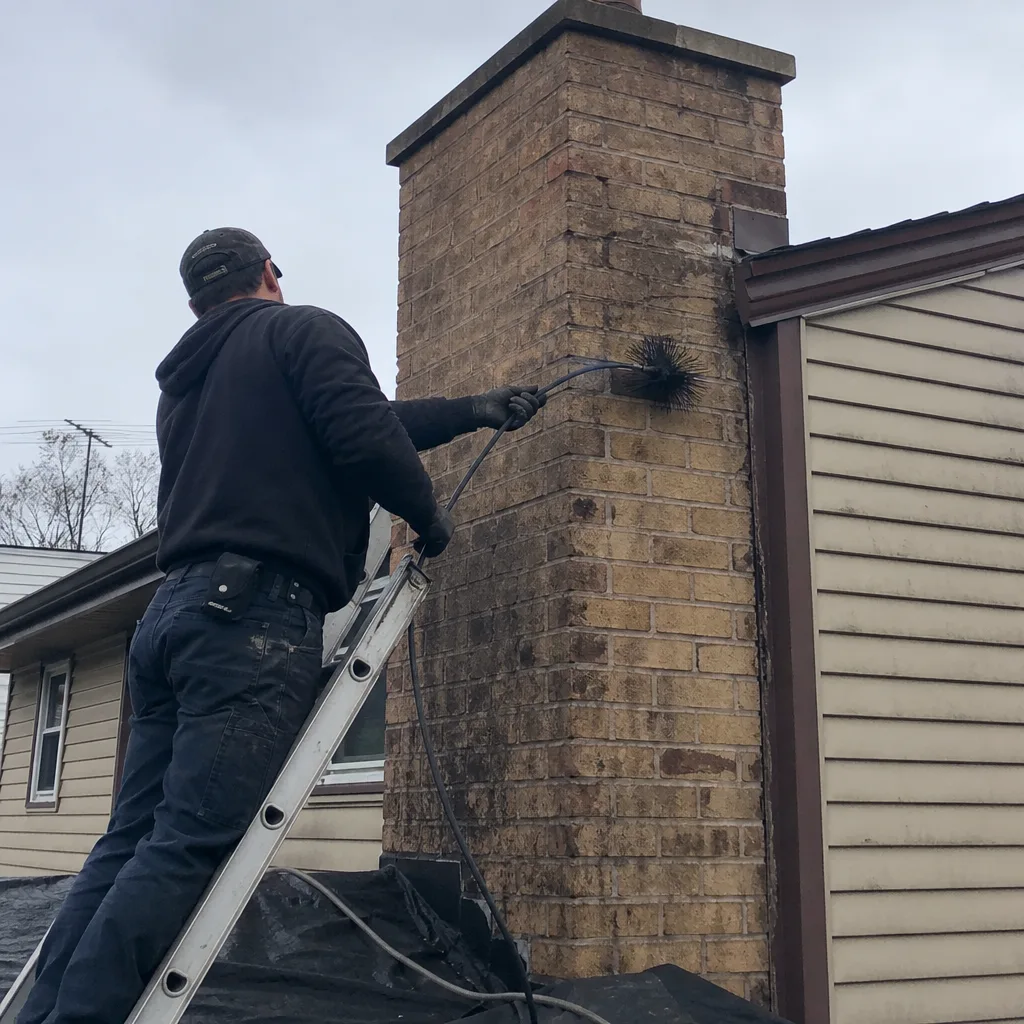
Level 1 sweep and inspection to the NFPA 211 annual standard - flue, crown, cap, and flashing checked and photographed
Chimney sweep logs do not sweep chimneys. They loosen some creosote - which then falls where a brush and vacuum still have to collect it.
Seasonal Chimney Cleaning Care for Schaumburg: Year-Round Homeowner’s Guide
Here’s something most Schaumburg homeowners don’t realize: your chimney sustains more damage during the months you’re not using it than during the months you are. A fireplace that roars all winter creates predictable wear. But a chimney that sits dormant through spring and summer gets quietly worked over by rain, freeze-thaw cycling, and whatever wildlife discovers the opening. We’ve found cracked flue tiles in July and crumbling crowns in October, and in nearly every case the damage started months earlier. This guide walks through what happens to each component of your chimney system across all four seasons in Schaumburg’s climate, and when to act so a $200 sweep doesn’t become a $4,000 repair. For more guides & resources, see our blog.
Styles & brands we work with
Quick Answer
Chimney care in Schaumburg works best as a seasonal rotation: inspect the crown and flashing every spring for freeze-thaw damage, check the cap and damper in summer for animal entry, schedule your annual sweep in late summer rather than fall for easier creosote removal, and monitor burn behavior and visible buildup through winter. A single late-summer cleaning plus two quick seasonal inspections covers most of the risk. If any inspection turns up cracks, spalling, or liner damage, call us at (844) 660-6510 for a free estimate before the problem compounds.
Table of Contents
- Spring: The Freeze-Thaw Season That Cracks Chimneys
- Summer: When Animals and Moisture Move In
- Why Late Summer Is the Optimal Cleaning Window
- Fall: Pre-Season Readiness Checks
- Winter: Monitoring Through Burn Season
- Gas Fireplaces: A Different Seasonal Profile
- Month-by-Month Quick Reference
- Common Mistakes to Avoid
- When to Call a Professional
- Frequently Asked Questions
- The Bottom Line
Spring: The Freeze-Thaw Season That Cracks Chimneys
The most common time a Schaumburg chimney liner cracks isn’t during winter use. It’s during the April thaw, when water that entered through a compromised crown all winter freezes and expands in the clay tile joints overnight. Here’s the sequence: snow accumulates on the chimney crown in January and February. The crown has hairline cracks too small to notice. Meltwater seeps into those cracks during the day, then freezes again when temperatures drop after sunset. Water expands roughly 9 percent when it freezes. That expansion forces the crack wider each cycle. By the time spring arrives, a crown that started with a hairline fissure in December now has a gap wide enough to let water reach the flue liner joints below.
Spring is also when masonry damage becomes visible. If you notice flaking brick faces, white chalky deposits on the chimney exterior, or pieces of mortar showing up on your roof or in your gutters, you’re looking at spalling and efflorescence, both signs that water has penetrated the masonry and is working its way back out. In Schaumburg’s climate, this is a March through May phenomenon. The damage happens all winter, but the evidence appears in spring.
Your spring inspection should cover three specific zones:
- The crown: This is the concrete slab at the top of the chimney that sheds water away from the flue. Look for cracks, pitting, or any area where water could pool instead of draining. A properly installed crown extends at least two inches beyond the chimney walls with a drip edge.
- The flashing: Where the chimney meets the roofline, there should be step flashing and counterflashing that seals the transition. Spring storms work these loose over time. If you can see daylight or feel gaps, you have an active leak point.
- The upper flue tiles: From the roof level, shine a light down the flue. Look for cracked tiles, missing mortar joints between tiles, or any debris that fell in over winter. Hairline cracks are hard to spot from above, which is why a camera inspection matters.
Spring is not the time to do a full cleaning for everyone. If you burned wood through winter, your creosote load is at its annual peak, and it’s wet from spring humidity. Wet creosote is difficult to remove completely and produces a strong odor as it warms. What spring is right for is inspection and repair scheduling. Catch crown damage in April, and you can have it resealed before next winter’s moisture load hits. Miss it, and the next freeze-thaw cycle doubles the damage.
Summer: When Animals and Moisture Move In
Chimneys in Schaumburg neighborhoods draw wildlife in summer more than any other season. Raccoons, squirrels, chimney swifts, and birds all look for dark, protected cavities to nest in, and an uncapped chimney is exactly that. We’ve pulled everything from squirrel nests to full raccoon families out of flues in Schaumburg homes, usually in June and July, after the animals have had a few weeks to establish themselves. The fix before that happens is a properly fitted chimney cap with an animal-proof screen, and the right time to check yours is early summer.
A missing or damaged chase cover on a factory-built chimney causes the same problem. Most prefab units in Schaumburg homes have a galvanized or stainless chase cover at the top. When it rusts through, which happens faster in our humidity cycle than in drier regions, rain falls directly into the flue, and animals climb right in. Replacing a chase cover is simple and inexpensive compared to the water damage it prevents.
Summer is also when we see the highest call volume for “my chimney smells like a campfire.” That smell is creosote off-gassing in warm, humid air. It’s worse in Schaumburg’s muggy July and August weeks than at any other time. The creosote inside the flue warms up, releases volatile organic compounds, and the odor travels downward into the living space. This is a signal, not a mystery. The fix is removal for wood-burning systems. For gas fireplaces, a persistent campfire smell usually means something else: a nesting animal, soot from a malfunctioning burner, or a draft problem pulling air the wrong way. If you notice it, don’t mask it with air fresheners. Have it diagnosed.
Moisture intrusion through the chimney also causes wall and ceiling stains in summer that homeowners often attribute to roof leaks. Water follows the chimney chase down into the house, where it shows up as discoloration on walls near the fireplace or water pooling around the hearth after a heavy Schaumburg thunderstorm. Tracking the actual source matters here. If the roof is sound but the chimney flashing and crown are compromised, the chimney is the leak, and patching the roof will do nothing.
Why Late Summer Is the Optimal Cleaning Window
Most homeowners schedule their chimney sweep in October, right before they’re ready to light the first fire. Here’s why that’s the wrong approach. Creosote, the flammable residue from wood combustion, changes character over time. Fresh creosote from a winter of burning is sticky and wet. Give it six months to dry out in the flue, and it hardens into a brittle, glassy coating. That hardened creosote is easier to remove completely, but more importantly, it’s safer to store and transport. Dry creosote doesn’t off-gas as aggressively as the wet, tar-like form. It also poses a lower combustion risk during the cleaning process itself.
Late August and early September in Schaumburg offer another practical advantage: the weather is still stable enough for roof access, and any repairs identified during the sweep can be scheduled and completed before the first burn. In contrast, an October sweep that turns up a cracked flue tile or a deteriorated crown leaves you with a choice: skip the fireplace in November while repairs are scheduled during the busiest season, or risk burning with a compromised system. Neither is good. Cleaning in late summer gives you the full fall to address anything the sweep reveals.
For gas fireplaces, the scheduling logic is the same, if less urgent. Gas burns cleaner and produces no creosote, but the venting system still needs annual inspection. Late summer works because gas fireplace service is quick in the slow season, and any parts needed, whether a thermocouple, gas valve component, or new log set, are readily available without the winter rush delays. You also get the fireplace checked before use, not after you’ve already been relying on it for a month.
The seasonal rhythm we recommend to Schaumburg customers looks like this:
- Late August or September: full sweeping and inspection of wood-burning systems, including camera inspection if the flue hasn’t been checked in five years.
- September: gas fireplace service visit, including glass cleaning, pilot assembly check, and combustion air verification.
- October: quick visual check of the cap, crown, and damper before first fire.
- November through February: burn-season monitoring; note any smoke backup, unusual odors, or visible buildup.
Fall: Pre-Season Readiness Checks
Most Schaumburg homeowners know to check smoke alarm batteries when the clocks change. We suggest adding a chimney pre-season check to that same habit. In October, before the first fire, walk through this list:
- Damper operation: Does it open and close fully, or does it stick halfway? A damper that won’t close all the way is a heat-loss problem all winter. One that won’t open fully is a smoke-backup problem every time you light a fire.
- Glass doors and gaskets: For factory-built fireplaces and inserts, check the glass for cracks, and check the gasket seal around the door for gaps or brittleness. A worn gasket changes the fireplace’s combustion air dynamics and can cause smoke in the house.
- Chase and crown condition: Before you commit to a season of burning, take binoculars or a careful eye to the top of the chimney. Check that the cap is secure, the crown isn’t newly cracked, and nothing is blocking the flue opening.
- Hearth clearance: Walk the area around the fireplace. Remove anything that has accumulated over the summer, including furniture moved too close, stacked magazines, firewood boxes inside the house, or hearth decorations. Wood should be stored at least three feet from the fireplace opening.
- Ash accumulation: If you forgot to shovel out the firebox in spring, now is the time. Ash is acidic. It holds moisture against the firebox floor and accelerates masonry deterioration. Remove it before your first fire, not after.
Fall is also when we get the most calls for chimney caps. Schaumburg sees strong autumn winds off the plains, and a loose cap rattling in a windstorm turns a twenty-minute tightening job into a full replacement if it blows off completely and takes shingles with it. If your cap is loose, wobbly, or visibly rusting through at the mounting points, have it repaired or replaced before the first snow. A missing cap means an open flue for snow, sleet, and freezing rain, which then freezes and thaws inside your chimney, accelerating everything else.
Winter: Monitoring Through Burn Season
Once you’re burning regularly, your chimney’s condition changes week to week, and the changes aren’t always visible from the living room. But your burning habits tell you a lot. Here’s what to watch for:
- Smoke backing into the room: Intermittent or persistent, this is never normal. Common causes include a cold flue on startup, downdrafts from wind, an obstructed flue, or insufficient combustion air in a tightly sealed house. If startup smoke doesn’t clear after the first five minutes, stop burning and have it diagnosed. In Schaumburg, wind patterns and the flat, open geography around many subdivisions can create downdraft conditions that aren’t caused by a chimney defect but still signal the need for a cap style or liner change.
- A “slow” fire that won’t draw: That generally means either a blockage or a flue-sized wrong for the fireplace. If the flue hasn’t been inspected with a camera, winter is when the symptoms show up. The fix is often a properly sized stainless liner, which is part of the repair work we do.
- Glazed creosote appearance in the firebox: If you see shiny, tar-like deposits accumulating on the damper or visible flue wall, you’ve moved past stage one creosote and into stage two. That surface is essentially fuel. Stop burning and schedule a cleaning, even if it’s January. The cost of a mid-winter sweep is small compared to a chimney fire.
- Odors during or after burning: If the smell after a fire shifts from the normal wood smoke scent to something acrid or chemical, that’s a sign of creosote off-gassing or moisture interacting with deposits. Note it and mention it on your next sweep.
Schaumburg winters aren’t the harshest in the Midwest, but the pattern that matters is the freeze cycle, not the absolute low temperature. A stretch like what we see in a typical winter here, where the high swings between 28 and 40 degrees, means repeated freeze-thaw events every single week. That’s the exact condition that accelerates masonry degradation. The chimneys that hold up best in this climate are those with a solid crown, sealed flashing, and a protected flue. The ones that fail are those where water has already found a way in.
Gas Fireplaces: A Different Seasonal Profile
We’ll be direct about this: a gas fireplace doesn’t skip the seasonal maintenance conversation, it just has a different one. Gas produces no creosote, which means the chimney fire risk that dominates wood-burning care doesn’t apply in the same way. But gas fireplaces have their own failure modes in Schaumburg’s climate, and the one we see most often is moisture ignored for years at a time.
Direct-vent gas fireplaces vent horizontally through an exterior wall or vertically through a chase. That chase, the framed enclosure around the vent pipe, is exposed to everything a masonry chimney is: rain, snow, freeze-thaw cycling, and animals. A gas fireplace chase that wasn’t sealed properly at the roof or wall penetration will leak, and the water damage it causes often goes unnoticed because the fireplace itself continues working fine. By the time a homeowner notices staining on the ceiling near the chase or rust on the inner firebox walls, the water has been working for years.
What a gas fireplace service visit covers in a year-round maintenance plan:
- Glass and gasket seal inspection: Direct-vent fireplaces are sealed combustion systems. A failing gasket changes the air-to-fuel mix, which can produce soot, inefficient burning, and carbon monoxide risk.
- Pilot assembly and thermocouple/thermopile testing: These components degrade with age and use. A weak thermocouple is the most common cause of a gas fireplace that lights but won’t stay lit.
- Log and burner condition: Ceramic logs crack. Burner ports clog. Loose logs sitting against the burner can create hot spots and uneven flame patterns.
- Vent pipe inspection: In Schaumburg’s climate, any horizontal vent run needs checking for sagging, corrosion at joints, and bird or insect blockage at the termination.
The order of operations is the same as wood-burning. Get your gas fireplace looked at in late summer or early fall, before you’re using it. The work is quick, the parts are available, and you avoid the December service crunch.
Month-by-Month Quick Reference
Print this section and tape it inside a cabinet door near the fireplace. It’s the entire guide in one page.
| Month | Action | What You’re Looking For |
|---|---|---|
| January | Monitor burn behavior | Smoke backup, slow draws, acrid odors |
| February | Check creosote stage | Shiny or tar-like deposits in firebox or damper |
| March | Inspect crown and flashing from ground level | New cracks, missing flashing, ice dam patterns |
| April | Full crown and masonry inspection | Spalling bricks, efflorescence, widened cracks |
| May | Schedule repairs found in spring inspection | Beat the fall rush, fix before next winter |
| June | Check cap and chase cover | Rust-through, missing screens, animal entry evidence |
| July | Address creosote odor | Campfire smell inside means deposits are off-gassing |
| August | Book your annual sweep | Late summer is the optimal window for removal |
| September | Gas fireplace service (if applicable) | Gaskets, pilot, burner, vent pipe condition |
| October | Pre-season readiness check | Damper operation, glass, hearth clearance, cap |
| November | First burn: test draft on a mild day | Smoke clearance time, damper seal after closing |
| December | Mid-season firebox review | Ash buildup, soot patterns, glass condition |
Common Mistakes to Avoid
- Sweeping only in fall. As covered above, late summer is the better window for a wood-burning chimney in Schaumburg. If you wait until October, you’ll find repair needs during the busiest service season.
- Ignoring a chimney cap that’s missing or damaged. The cap is a $150 to $400 component that protects thousands in liner and masonry. An uncapped flue in Schaumburg will collect rain, snow, and animals within one season.
- Assuming a gas fireplace needs no maintenance. Gas fireplaces have no creosote, but their gaskets, pilots, and vent systems age. The most common gas-related call we get in Schaumburg is a fireplace that lights but shuts off, and the cause is almost always a degraded thermocouple that could have been caught in a service visit.
- Burning unseasoned or wet wood. Wet wood produces more creosote, and in Schaumburg’s humid summers, wood stacks can re-absorb moisture even after seasoning. Burn dry wood and keep your stack covered on top while leaving the sides open for airflow.
- Repointing masonry without fixing the water entry source. You can patch every brick joint in your chimney and still lose new mortar next winter if the crown and flashing are leaking. Water management always comes first.
- Relying on visual inspection alone for the flue interior. From the top, you can see the first few feet of tile. The other 15 to 30 feet need a camera. Hidden cracks and gaps are how chimney fires and carbon monoxide leaks happen without warning.
When to Call a Professional
Some things belong on a to-do list. These belong on a phone. If you see cracks in the crown that have widened since last year, if water stains appear near the fireplace or chimney chase after rain, if smoke backs up during normal burning, if you smell gas from a gas fireplace when it’s off, or if you hear animals in the flue, stop and call before doing anything else. A camera inspection is the only way to know what’s happening inside the flue walls, and the difference between a repair that costs a few hundred dollars and one that costs thousands is usually how long a problem runs before someone looks at it. Duke Chimney Sweep offers free estimates in Schaumburg, call (844) 660-6510 and we’ll be straightforward with you about whether it’s a fix now or a monitor situation.
Frequently Asked Questions
Wood-burning fireplaces and stoves should be swept once per year, and the optimal time in Schaumburg is late August or September. See our Chimney Cleaning Cost Breakdown: The Schaumburg Homeowner’s Reference for 2026 for detailed pricing. The National Fire Protection Association standard (NFPA 211) calls for cleaning when creosote buildup reaches 1/8 inch, which for most homes translates to an annual cadence. If you burn more than three cords of wood per season, you may need a mid-season sweep as well. Call (844) 660-6510 for a free estimate on your annual cleaning.
Chimney sweep pricing in the Schaumburg market typically starts in the $179 to $259 range for a standard cleaning with inspection, with camera inspection adding $75 to $150 when it’s requested or needed for a diagnosis. Larger flues, heavy creosote buildup, and animal removal increase the price from there. The best way to get an exact number for your chimney is a quick visual assessment, which is part of our free estimate process. Call (844) 660-6510 and we’ll give you a straight number.
Not always. Small cracks and gaps in clay tile liners can sometimes be resurfaced rather than replaced. We use HeatShield, a coating system that restores the flue’s interior surface without a full teardown or liner replacement. For flues that have shifted or are too irregular for resurfacing, a DuraFlex stainless steel liner can be fitted without rebuilding the chimney. The deciding factor is what the camera inspection shows. If someone tells you to replace a liner without camera evidence, get a second opinion.
The consequence chain is: creosote deposits accumulate, they restrict the flue diameter over time, the restricted flue burns hotter and drafts worse, and the creosote itself becomes fuel. A chimney fire can ignite at creosote temperatures as low as 451 degrees Fahrenheit, which a typical wood fire exceeds. Even without a fire, heavy creosote blocks the flue, pushes smoke into the house, and accelerates liner corrosion. The annual cleaning is cheaper than any outcome of skipping it.
Yes, and it’s a common issue across Schaumburg’s neighborhoods, especially in areas with mature trees and wooded lots. Raccoons, squirrels, and chimney swifts are the four main offenders. A missing or damaged cap is the entry point. The prevention is a properly fitted cap with a stainless screen and secure mounting. If an animal is already in there, don’t try to smoke it out; that can kill the animal and create a worse problem. Call us at (844) 660-6510 and we’ll handle removal humanely where possible and then address the cap.
Yes, and the difference matters. Gas fireplaces produce no creosote, so the sweeping requirement drops away. What remains is an annual service visit covering the glass seal, pilot assembly, thermocouple, burner, and vent pipe. Gas systems also need attention to moisture, because a vent chase that leaks water will damage the firebox and surrounding framing even while the fireplace looks fine from the front. In Schaumburg’s climate, chase leaks are the single most common issue we find on gas fireplace service calls.
The Bottom Line
Your chimney in Schaumburg lives through four distinct stress seasons: the spring thaw that widens cracks, the summer humidity and animal pressure, the fall window where late-summer cleaning pays off, and the winter cycle where every freeze-thaw swing does its quiet work. A single annual sweep handles the combustion side of the equation. What prevents the big repairs is the two seasonal inspections in spring and fall, plus a cap that keeps water and animals out year-round. Most of the expensive problems we see in Schaumburg homes, cracked liners, spalled masonry, water-stained ceilings, started small and went unchecked for two or three seasons. Before starting any major work, check Chimney Cleaning Permits, Codes & Inspections in IL: What You Need to Know. Catch them early, and most fixes are simple. Let them run, and you’re looking at liner replacement or masonry rebuild. The maintenance schedule in this guide is the difference.
If you’d like professional eyes on your chimney this season, call Duke Chimney Sweep at (844) 660-6510. We’ll schedule a free estimate, inspect what’s there, and tell you plainly what needs work now and what can wait. We’re the full venting system specialist for Schaumburg, from chimney sweep to structural repair to dryer vent cleaning, so you don’t have to coordinate three different companies to get your home safe. For more about our services, visit the Duke Chimney Sweep home page, see our Chimney Sweep in Wheeling service details, explore Dryer Vent Cleaning in Wheeling for the venting side of your system, or check out Chimney Repair in Wheeling for structural work. Wherever you are in the northwest suburbs, we’d rather inspect your chimney now than rebuild it later.
Written by the team at Duke Chimney Sweep, serving Schaumburg since 2016.
See the difference
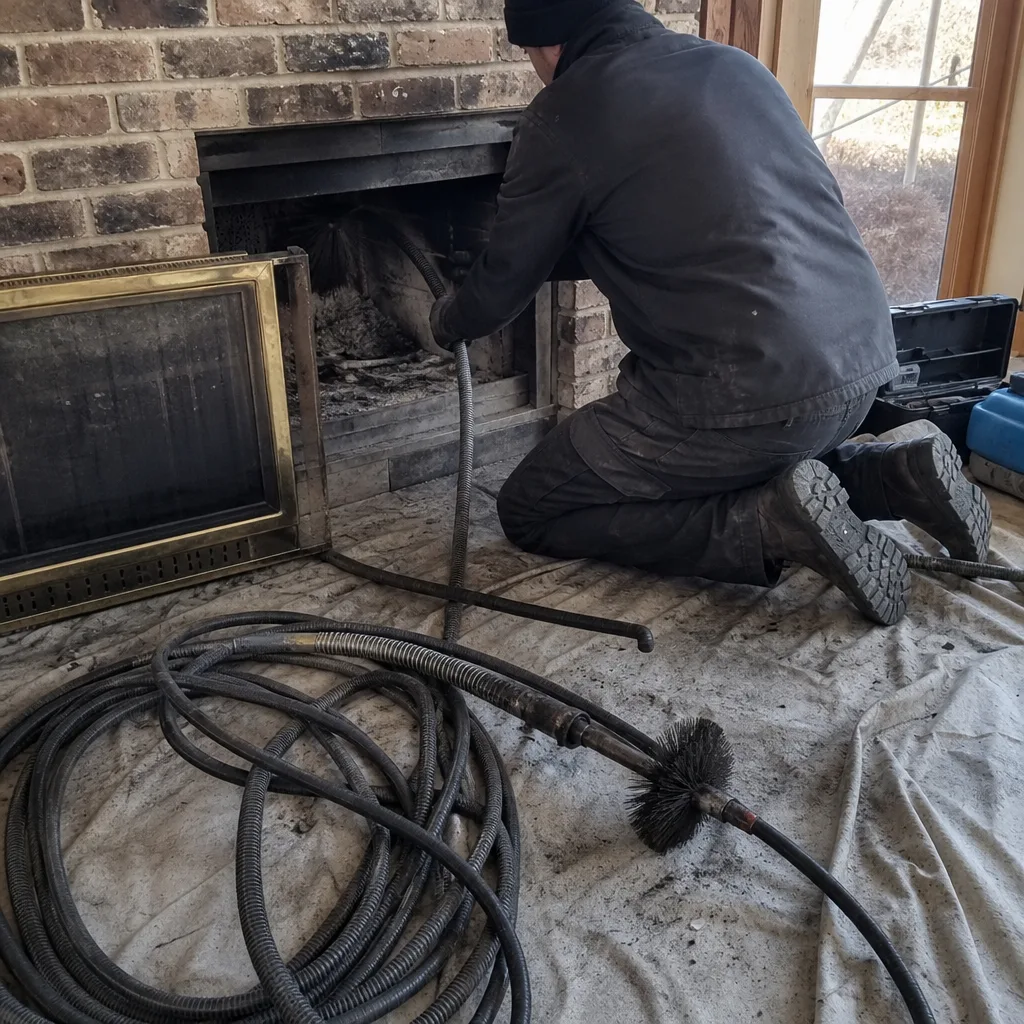 Before
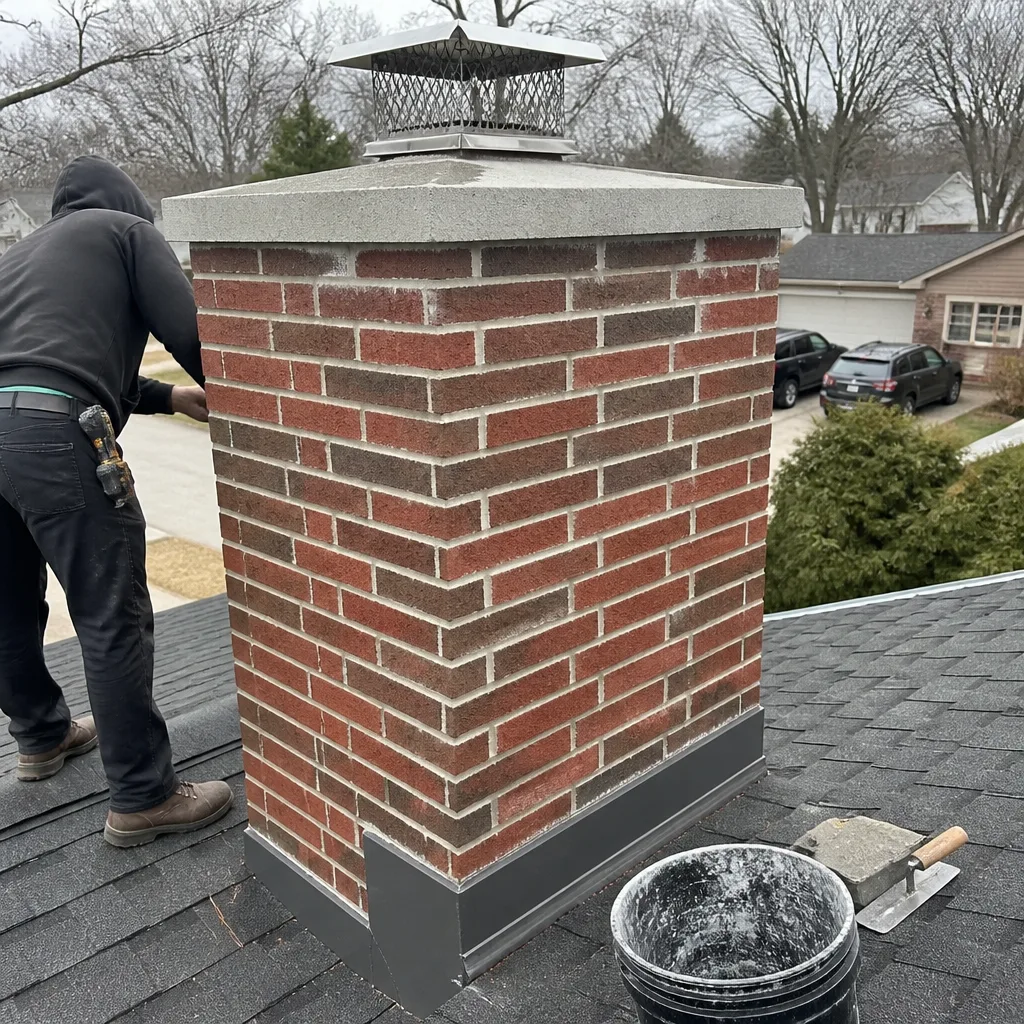 After
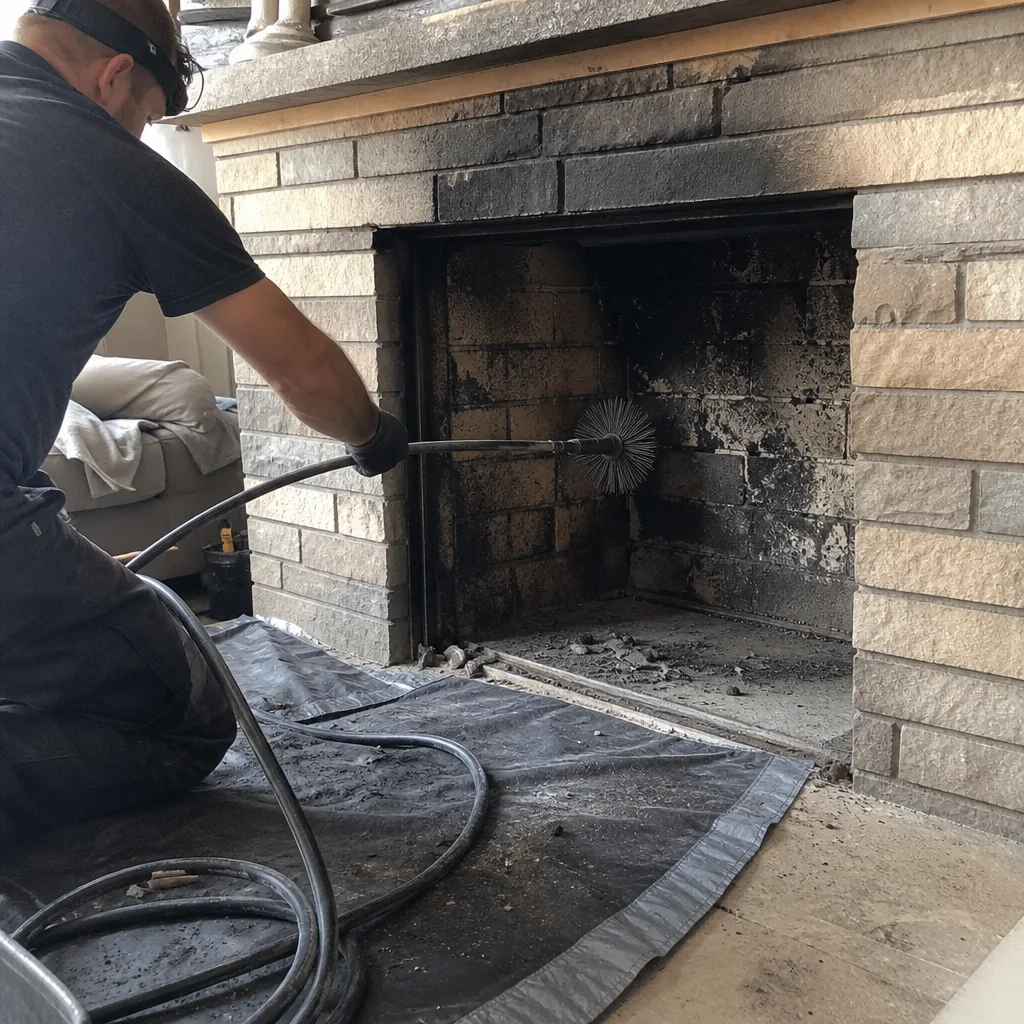 Before
 After
 Before
 After