
Last updated October 31, 2026
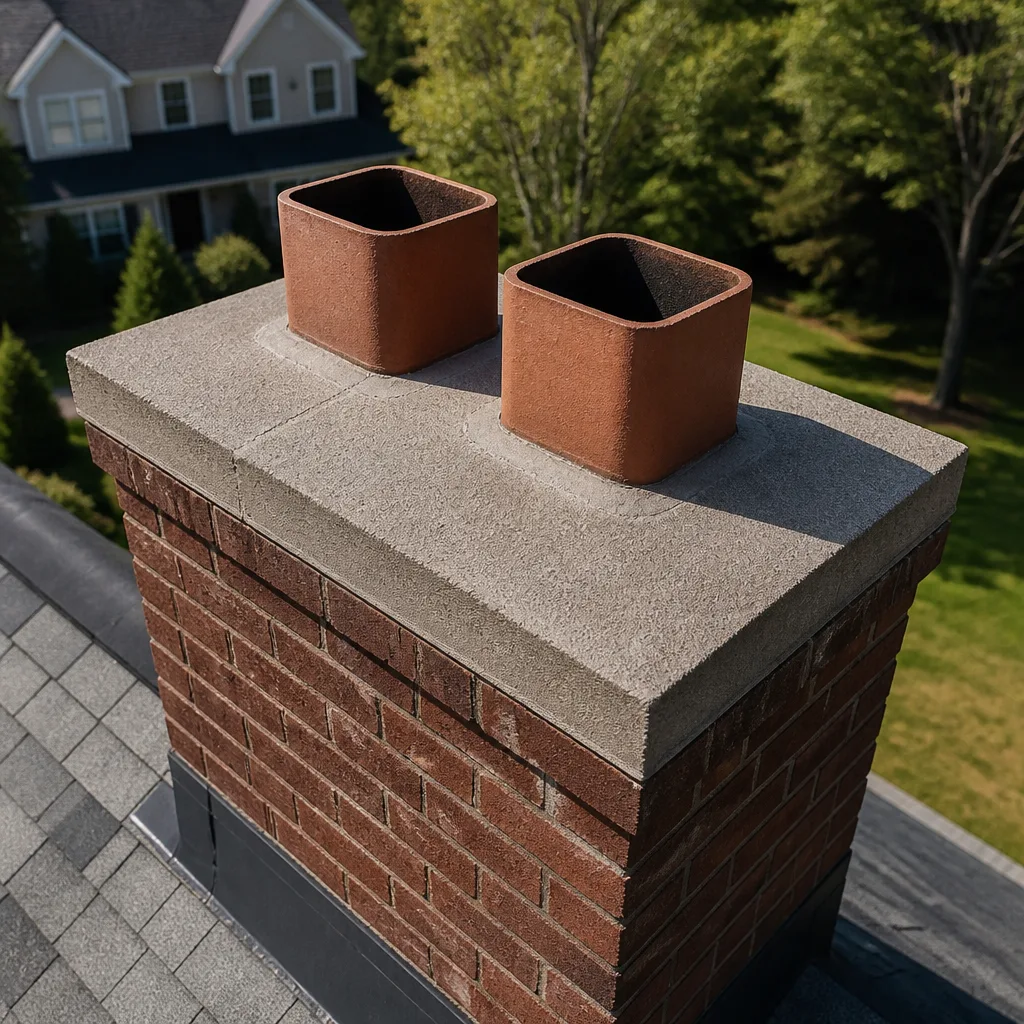 Sweep & inspection
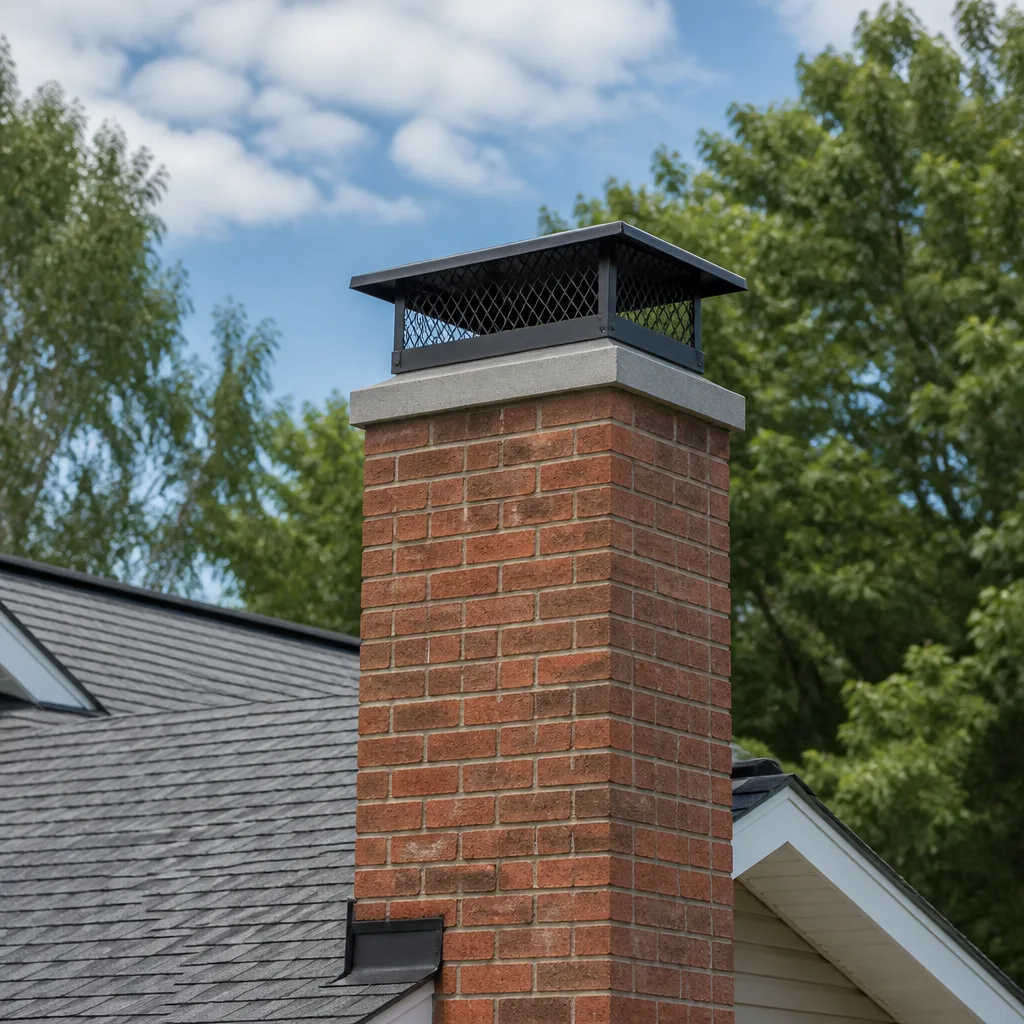 Caps & crowns
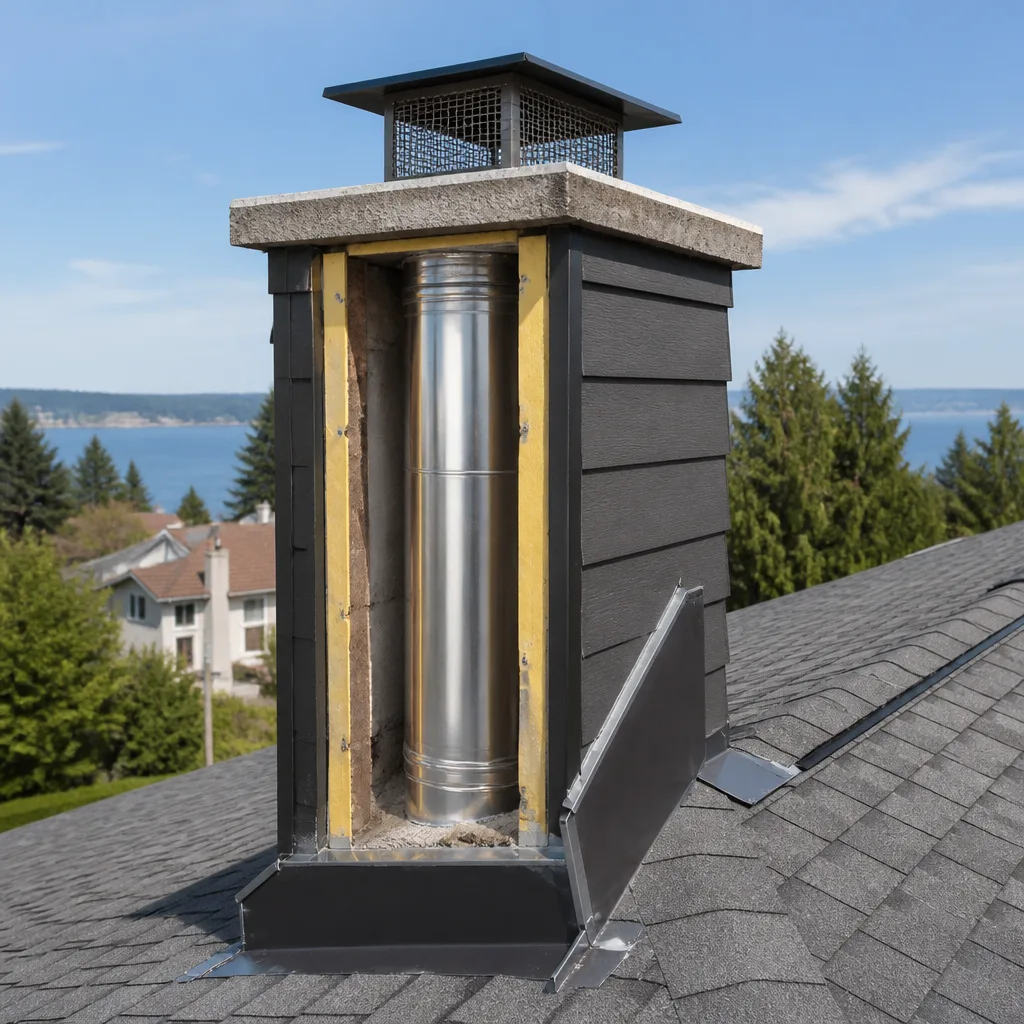 Flue relining
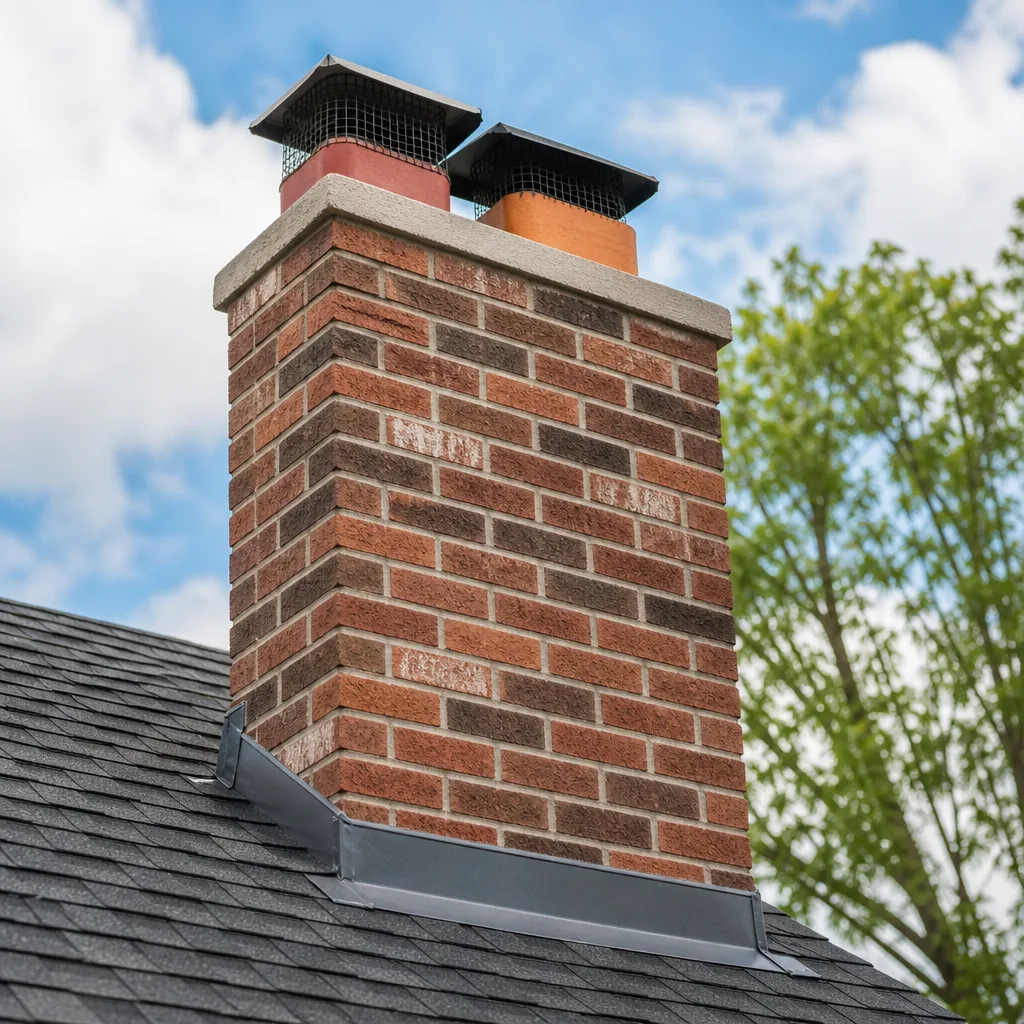 Masonry repair
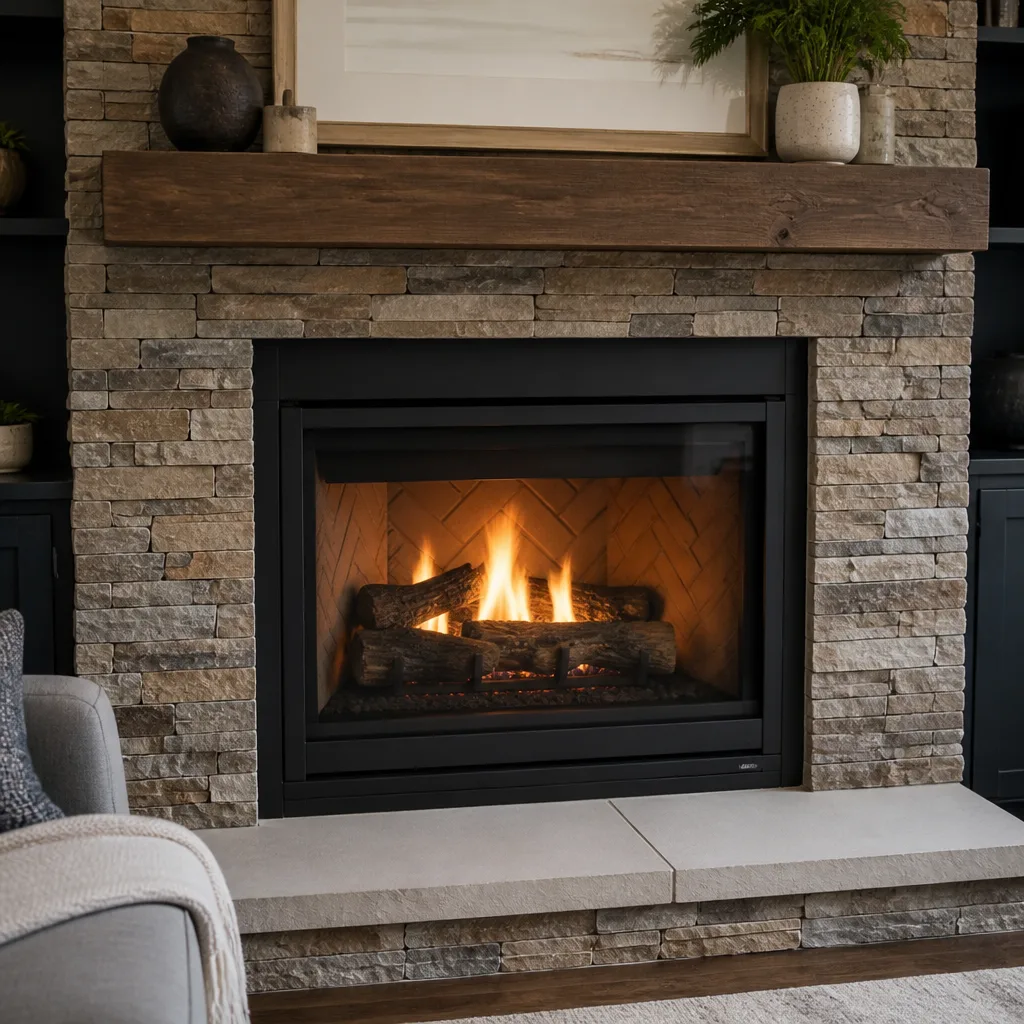 Gas fireplace service
Level 1 sweep and inspection to the NFPA 211 annual standard - flue, crown, cap, and flashing checked and photographed
Chimney sweep logs do not sweep chimneys. They loosen some creosote - which then falls where a brush and vacuum still have to collect it.
DIY vs Professional Chimney Cleaning: The Schaumburg Homeowner’s Decision Guide
A quality chimney brush kit costs under $80, and with patience and a decent drop cloth, a careful homeowner can remove visible creosote from a straight flue. The problem in Schaumburg isn’t the brushing itself. It’s that once you’ve swept the flue clean, you’re staring at masonry and metal you have no reliable way to evaluate. You’ve removed the evidence without knowing what the evidence was hiding. This guide walks through the honest decision framework: when DIY chimney cleaning is genuinely reasonable, when it’s a gamble you shouldn’t take, and how to tell the difference before you climb a ladder in November.
Quick Answer
DIY chimney cleaning is reasonable for a straight flue with stage-one creosote, an accessible roof, and no recent structural changes to the home or fireplace, provided you use the right brushes and follow basic safety protocols. It stops being reasonable the moment you need to assess liner cracks, stage-three glazed creosote, prefab fireplace components, or anything you can’t see with a flashlight. In Schaumburg, the freeze-thaw cycle and the mix of older masonry and newer prefab units means a professional camera inspection finds problems a brush alone never will.
Styles & brands we work with
Table of Contents
- What DIY Can Reasonably Accomplish
- What DIY Cannot Reasonably Accomplish
- The Equipment Divide: What Professionals Bring That Changes the Picture
- The Real Cost-Benefit Math, Including the Insurance Dimension
- Schaumburg Housing Stock and What It Means for Cleaning
- The Decision Tree: When DIY Is Reasonable and When It Isn’t
- Common Mistakes to Avoid
- Frequently Asked Questions
- The Bottom Line
What DIY Can Reasonably Accomplish
Let’s be straight about what a homeowner with a brush kit and a willingness to get dirty can actually do. The cleaning part of chimney sweeping is not mysterious. It’s mechanical. You push a brush through a flue, scrubbing the walls, and the deposits fall into the firebox where you vacuum them out. For a straight flue with light, flaky creosote – what the industry calls stage-one – that’s a job a careful person can complete in an afternoon.
Stage-one creosote is the powdery, soot-like residue left by efficient, hot fires. It brushes away without much resistance. If that’s what you’re dealing with, and your flue runs in a straight line from firebox to cap, DIY cleaning is defensible. Not ideal, but defensible.
Here’s the honest ceiling of DIY competence, based on what we see in Schaumburg homes every season:
- Straight flues only. If your flue bends, offsets, or has an irregular path, a brush on a rod cannot reliably contact every surface. You’ll miss deposits in the bends, and missed deposits are where chimney fires start.
- Stage-one creosote only. Flaky and powdery, yes. Tar-like and sticky, no. Glazed and hard, absolutely not. Stage-two and stage-three creosote require chemical treatments or mechanical removal methods that household brush kits cannot provide.
- Accessible roof lines. If your Schaumburg roof is a low-pitch ranch or a simple two-story with a walkable slope, you can reach the cap safely with a proper ladder and harness. If it’s steep, icy, or three stories up, you’re gambling with your spine.
- No recent changes to the system. If the fireplace, flue, or chimney has not been altered, damaged by weather, or involved in a chimney fire, you’re working with a known quantity. If any of those things have happened, you’re working blind.
- Recent professional inspection. If a certified sweep inspected the chimney within the last two years and found it sound, a DIY maintenance sweep between professional visits is lower risk. You’re not discovering problems – you’re maintaining a system you already know is healthy.
Here’s the thing we tell homeowners in Schaumburg who ask us directly: the brushing itself is easy. That’s not the skill. The skill is knowing what you’re looking at afterward.
What DIY Cannot Reasonably Accomplish
Now for the part most DIY guides skip. A brush removes deposits. It does not assess the flue. It does not measure draft. It does not detect moisture intrusion. It does not identify cracked liner tiles, deteriorating mortar joints, damaged caps, or animal entry points. Those are the conditions that cause chimney fires and carbon monoxide problems, and they’re exactly the conditions you cannot see from the top of a ladder with a flashlight.
In our experience serving Schaumburg and the surrounding suburbs, the most dangerous phrase a homeowner can say is “I cleaned it myself, so I know it’s fine.” What they know is that the flue is cleaner than it was. What they don’t know is whether the flue is sound.
Here’s what sits outside the DIY ceiling:
- Liner cracks and gaps. A cracked clay tile liner can allow heat and gases to reach combustible framing. A brush passes right over a crack without telling you anything. Only a camera inspection can find it.
- Stage-three glazed creosote. This is the hard, shiny, tar-like deposit that forms when fires burn cool and wet. It’s highly concentrated fuel. Brushing it with a standard wire brush does almost nothing. Removing it requires specialized rotary equipment or chemical treatment over multiple days.
- Prefab fireplace components. Manufactured fireplaces have specific cleaning requirements. The wrong brush can scratch the metal flue walls, creating points where creosote adheres faster. Worse, if you dislodge a panel or break a refractory component, you’ve turned a $200 cleaning into a $2,000 repair.
- Draft and ventilation problems. A chimney that doesn’t draft properly sends smoke and carbon monoxide back into the house. Diagnosing draft problems requires a draft gauge and an understanding of house pressure dynamics – not tools in a DIY kit.
- Masonry deterioration. Schaumburg’s freeze-thaw cycle is brutal on brick and mortar. Water gets into small cracks, freezes, expands, and widens the crack. Over time, spalling bricks and crumbling mortar create structural and fire-safety issues. A brush does not repair masonry. It doesn’t even tell you the masonry is failing.
- Hidden animal nests or blockages. Raccoons, squirrels, and birds find chimneys attractive. A nest mid-flue is a fire hazard and a carbon monoxide risk. If you push a brush through and dislodge part of a nest, you may not remove all of it, and you may not realize it’s there at all.
The pattern here is consistent. DIY cleaning addresses what you can see. Professional service addresses what you can’t. That doesn’t make DIY wrong. It makes it incomplete.
The Equipment Divide: What Professionals Bring That Changes the Picture
When we arrive at a Schaumburg home for a chimney sweep, we’re not bringing a better brush. We’re bringing diagnostic equipment that changes what a cleaning appointment actually is. The brush is the least interesting tool on the truck.
Here’s what the equipment divide looks like in practical terms:
- Camera inspection systems. A small, high-resolution camera on a flexible line feeds live video of the entire flue interior. This is how we find liner cracks, failed mortar joints, hidden blockages, and deteriorated prefab panels. Before any cleaning recommendation is made, the camera shows the homeowner exactly what we’re seeing. Nothing is recommended without visual evidence the homeowner has reviewed themselves.
- Draft gauge. A chimney either drafts or it doesn’t, and the difference is measurable in pascals. A draft gauge tells us whether the flue is pulling combustion gases up and out at the rate it should. Poor draft is how carbon monoxide builds up in the living space, and it’s invisible to a homeowner with a brush.
- Moisture meter. Masonry absorbs water. A moisture meter pressed against interior chimney walls tells us whether water is intruding through the crown, the flashing, or the brick itself. In Schaumburg, where winter freezes and spring thaws cycle repeatedly, water intrusion is the leading cause of masonry chimney failure. Catching it early saves thousands.
- Rotary cleaning equipment. For stage-three glazed creosote, professional sweeps use rotary loops attached to a drill. The spinning action mechanically breaks the glazed layer off the flue walls. This is not equipment a homeowner with a wire brush can replicate, and it’s the difference between a clean flue and a flue that looks clean but isn’t.
- HEPA filtration vacuums. Professional sweeps use high-powered vacuums with HEPA filtration to control dust and soot during the cleaning. A standard shop vac leaks fine particulate back into the living space. For homeowners with respiratory issues, small children, or pets, this matters.
We work with specification-grade materials from brands like DuraFlex and HeatShield in our repair work, which means the same visit that identifies a liner problem can also begin the process of fixing it. Not every chimney service in the Schaumburg area operates with that scope. Most sweep and leave. We sweep, inspect, document, and when necessary, restore. The tools make that possible.
The Real Cost-Benefit Math, Including the Insurance Dimension
A chimney sweep in Schaumburg typically costs between $180 and $340, depending on the type of fireplace, the condition of the flue, and whether additional services like camera inspection are included. For a detailed look at pricing, see our Chimney Cleaning Cost Breakdown: The Schaumburg Homeowner’s Reference for 2026. A DIY brush kit costs between $50 and $80, plus a few hours of your time and whatever you spend on drop cloths, a ladder if you don’t already own one, and a proper respirator mask.
On the surface, DIY saves you somewhere between $100 and $260. But that math only holds if nothing is wrong with the chimney that goes undetected. Here’s where the arithmetic gets less friendly to the DIY approach.
If a Do-It-Yourself cleaned chimney is later involved in a house fire, the homeowner’s insurance company will ask questions. Specifically, they’ll ask who last inspected and cleaned the chimney, what qualifications that person held, and what documentation exists. If the answer is “I did it myself with a brush kit,” the insurer may deny the claim on the grounds of improper maintenance. Most homeowner policies require that chimneys be “professionally inspected and cleaned on a regular basis” – and the insurance company gets to define both “professional” and “regular.”
Here’s the practical cost comparison:
- Professional sweep, no problems found: $180 to $340. Done. Documented. Insurable.
- Professional sweep, liner crack found early: $200 for the sweep, $800 to $1,500 for a HeatShield resurfacing. Total: roughly $1,000 to $1,700, versus a complete reline that can run $4,000 to $8,000 if the crack goes undetected for another season or two.
- DIY sweep, all is well: $50 to $80. Genuine savings. No one will argue otherwise.
- DIY sweep, missed liner crack, chimney fire next winter: The math stops being a savings calculation and starts being a six-figure home repair.
- DIY sweep, missed moisture intrusion in Schaumburg’s freeze-thaw cycle: Repair costs grow every winter. What starts as a $400 crown repair becomes a $3,000 masonry rebuild in three to five years.
The honest framing isn’t “DIY is dangerous and professionals are necessary.” You’ll find that slogan on plenty of chimney sweep websites, and it overstates the case. The honest framing is that the cost difference between a brush kit and a professional sweep is small relative to the cost of missing something important. In a Schaumburg home with a wood-burning fireplace that gets used all winter, the risk of missing something is real, not hypothetical.
Most professional sweeps in the Schaumburg area, including Duke Chimney Sweep home services, include a basic visual inspection with the cleaning. When the sweep finds and documents no issues, you have a record. When they find a problem, you learn about it before it becomes something worse. That’s what the $180 to $340 actually purchases: not clean walls, but known walls.
Schaumburg Housing Stock and What It Means for Cleaning
Schaumburg’s housing stock matters to this decision more than most homeowners realize. The village grew in waves, and each wave brought different fireplace technology. Understanding what your home has is step one in deciding whether DIY is even on the table.
Many Schaumburg homes built from the 1970s through the 1990s have prefab metal fireplaces – the factory-built units with metal flues that run through a framed chimney chase. These are fundamentally different animals from traditional masonry chimneys, and they require different handling.
Here’s what matters about prefab units:
- They cannot handle the same temperatures as masonry. Prefab fireplaces are designed for specific heat ranges. Burning the wrong type of wood or building fires that are too hot can warp the metal components and create hidden failure points.
- Their flues scratch more easily. A metal flue with scratches becomes a creosote magnet. The wrong brush – one that’s too aggressive or the wrong shape – can damage the flue walls and make future creosote buildup worse.
- Their components are not designed for homeowner replacement. When a refractory panel cracks or a flue pipe warps, replacement parts must match the specific manufacturer’s listing. That’s not a hardware store purchase and not a DIY repair.
- They’re often found in two-story homes with steep roof pitches. Schaumburg has plenty of split-levels and two-story colonials. Getting to a prefab chimney cap on a steep roof with a ladder and a brush is a different risk calculation than working on a ranch home.
Older Schaumburg homes – pre-1970s construction, particularly in the neighborhoods near the original village center – are more likely to have traditional masonry chimneys with clay tile liners. These are the chimneys where stage-one creosote on straight, accessible flues is most common. They’re also the chimneys where freeze-thaw damage and deteriorated mortar joints are most likely after 50-plus Illinois winters.
If you’re not sure what kind of fireplace you have, that’s information worth gathering before you buy a brush kit. A prefab unit with a warped flue or a cracked refractory panel is not a DIY project in any circumstances. In our experience with Chimney Sweep in Wheeling and across the northwest suburbs, homeowners who don’t know their fireplace type are the ones most likely to run into trouble with a DIY attempt.
The Decision Tree: When DIY Is Reasonable and When It Isn’t
Here’s a straightforward decision framework. Work through the questions in order. If you reach the bottom and haven’t hit a “no,” then DIY is defensible for you. If you hit a “no” at any point, stop and call a professional—or read our How to Hire a Chimney Cleaning Contractor in Schaumburg: A Step-by-Step Guide first.
Question 1: Do you know what type of fireplace and flue you have?
If you can’t identify whether you have a masonry chimney with a clay liner or a prefab metal fireplace, that’s an automatic no. The cleaning requirements are completely different, and using the wrong approach can cause costly damage. If you know your system type, continue.
Question 2: Is your flue straight and accessible?
Straight means no bends in the smoke path from firebox to cap. Accessible means you can safely reach the chimney cap from a ladder without working on a steep or icy roof. If the flue bends or the roof access is unsafe, that’s a no.
Question 3: Has the chimney been professionally inspected within the last two years?
If the answer is yes and the inspection found no structural issues, a DIY maintenance sweep between professional visits is reasonable. If it’s been longer than two years, or you don’t know when it was last inspected, the answer is no – you need an inspection before you need a cleaning, and a brush kit doesn’t provide one.
Question 4: What does the creosote look like?
Shine a flashlight up the flue from inside the firebox (wear eye protection). If the deposits look flaky and powdery, that’s stage-one. If they look sticky, tar-like, or glassy, that’s stage-two or stage-three, and the answer is no. Household brush kits cannot reliably remove stage-two and stage-three deposits.
Question 5: Has anything changed since the last professional inspection?
If you’ve had a chimney fire, noticed water in the firebox, seen spalling bricks or crumbling mortar on the exterior, smelled smoke in the house when the fireplace is not in use, or had animals in the chimney, the answer is no. These are signs of structural problems that need diagnosis, not cleaning.
Question 6: Are you willing to take on the documentation risk?
If your answer to every previous question was yes, the final question is administrative. A DIY sweep leaves no inspection record. If your home ever experiences a chimney-related fire, even one caused by something unrelated to your cleaning, the insurance company will want documentation of professional maintenance. Some homeowners are comfortable with that risk. Others aren’t. That’s a personal decision, but it’s part of the math.
Common Mistakes to Avoid
- Using a brush on a prefab flue without checking the manufacturer’s requirements. Many Schaumburg prefab units require specific brush materials. The wrong brush can scratch metal flue walls, and scratched metal flues collect creosote faster.
- Sweeping a chimney with stage-three glazed creosote. Stage-three deposits look shiny and feel hard. A wire brush won’t remove it, and the effort can give a false sense of security. If you can see a glassy layer, call a professional.
- Skipping the drop cloth and trusting the vacuum. Soot and creosote dust get everywhere unless the firebox is sealed off. Without a proper drop cloth and a vacuum designed for fine particulate, you’ll spend days cleaning soot off furniture and carpets.
- Climbing the roof without a spotter or a harness. Schaumburg roofs get slick with frost in the fall. Working at height without fall protection is how DIY projects become hospital visits. If you can’t do the roof work safely, the DIY calculation ends.
- Not checking the chimney cap and animal guard during a DIY sweep. The cap and guard are critical components. A missing or damaged cap lets rain get in, which accelerates freeze-thaw damage. If the cap is deteriorated, the chimney needs more than a brushing.
- Assuming a clean flue means a safe chimney. A chimney can be spotless and still be dangerous. A clean flue with a cracked liner is still a fire and carbon monoxide risk. Brushing removes soot. It doesn’t certify safety.
- DIYing a chimney that’s showing moisture stains in the firebox. Water in the firebox after rain or snow signals a crown, flashing, or masonry problem. Cleaning the flue won’t fix it, and delaying the repair through another Schaumburg freeze-thaw winter will make it worse.
When to Call a Professional
Call a professional if your chimney hasn’t been inspected in over two years, if you see stage-two or stage-three creosote, if the flue bends or the roof is unsafe to access, if you have a prefab fireplace you’re unsure about, or if you see any signs of water intrusion, spalling brick, or animal activity. Call a professional if you’d simply rather not spend your weekend on a ladder, which is a perfectly valid reason. Duke Chimney Sweep offers free estimates in Schaumburg – call (844) 660-6510 and we’ll help you figure out whether your chimney needs service and what kind.
Frequently Asked Questions
A professional chimney sweep in Schaumburg typically runs between $180 and $340, depending on fireplace type, flue condition, and whether a camera inspection is included. That price covers the full cleaning, a visual inspection, and documentation that holds value for insurance purposes. Call (844) 660-6510 for an exact quote – estimates are free.
Chimneys that see regular wood-burning use should be inspected annually and cleaned when creosote reaches one-eighth inch thickness, which for most Schaumburg homeowners means every one to two burning seasons. For timing tips throughout the year, see our Seasonal Chimney Cleaning Care for Schaumburg: Year-Round Homeowner’s Guide. Gas fireplaces can go longer between cleanings but still benefit from annual inspection. If you burn wood more than three nights a week through the winter, plan on an annual sweep.
You can clean your own chimney without an inspection if you have a straight flue, stage-one creosote, a recent clean bill of health from a professional, and safe roof access. If any of those conditions is missing – especially the recent inspection – you’re cleaning without knowing whether the flue is sound. The brushing is less important than the knowing.
If a Do-It-Yourself cleaned chimney is implicated in a house fire, the homeowner’s insurance company will request maintenance documentation. Many policies require regular professional chimney sweeping and inspection, and a homeowner’s self-cleaning record may not satisfy that requirement. The claim could be denied or reduced, leaving the homeowner responsible for fire damage that insurance might otherwise have covered.
Creosote is a highly flammable byproduct of wood combustion that condenses on flue walls as smoke cools. It builds up faster in colder climates, and Schaumburg winters mean cold flues that encourage condensation. Stage-one creosote brushes away; stage-three creosote is essentially fuel coating your flue. A chimney fire is creosote igniting inside the chimney, and it can reach 2,000 degrees Fahrenheit.
Prefab metal fireplaces have specific cleaning requirements that depend on the manufacturer’s listing. The wrong brush can damage the flue, and component failures in prefab units are not DIY repairs. If you have a prefab fireplace and you’re not certain about the manufacturer’s maintenance requirements, a professional cleaning is the lower-risk option – it costs less than replacing a damaged flue.
The Bottom Line
DIY chimney cleaning isn’t reckless, and professional cleaning isn’t mandatory for every homeowner in every situation. For more guides & resources on keeping your chimney safe, explore our blog. The honest decision turns on what you can’t see. A brush removes deposits. It doesn’t evaluate liner condition, detect moisture intrusion, measure draft, or identify prefab component failures. In Schaumburg, where freeze-thaw cycles accelerate masonry deterioration and where the housing stock mixes older masonry chimneys with decades-old prefab units, the cost of missing something is high. A professional sweep costs $180 to $340 and buys certainty: a documented inspection, a camera-verified flue, and an insurance-friendly record. If your flue is straight, your creosote is stage-one, and your chimney was professionally inspected within the last two years, a careful DIY sweep between visits is defensible. If any of those conditions fails, call a professional. You’re making a decision about fire safety, and the evidence you can’t see is the evidence that matters.
Duke Chimney Sweep offers chimney sweeping, chimney repair, and Dryer Vent Cleaning in Wheeling and throughout the Schaumburg area. Our repair work is supported by specification-grade materials from DuraFlex, HeatShield, Gelco, and Olympia Chimney – the same brands specified by chimney engineers, not hardware-store substitutes. For Chimney Repair in Wheeling or a Schaumburg-area sweep, call (844) 660-6510 for a free estimate.
Written by the team at Duke Chimney Sweep, serving Schaumburg since 2016.
See the difference
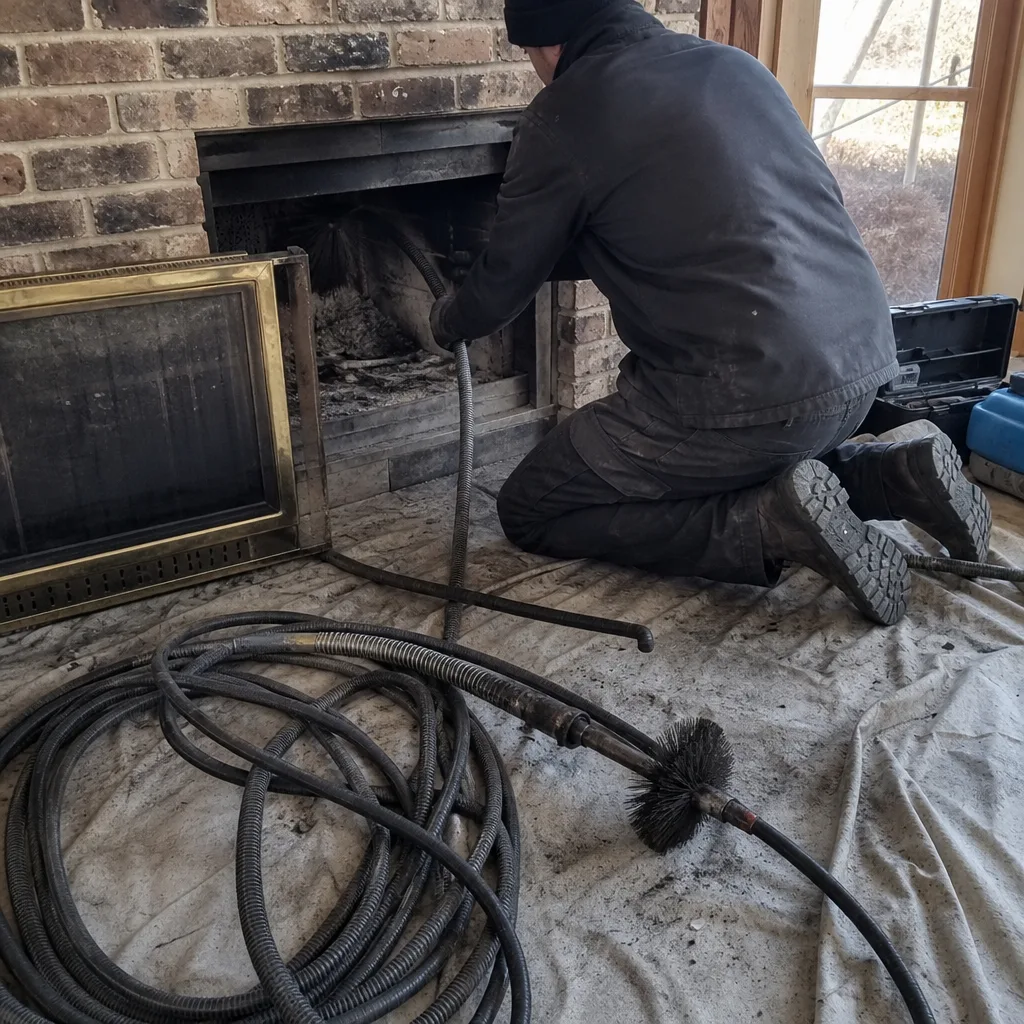 Before
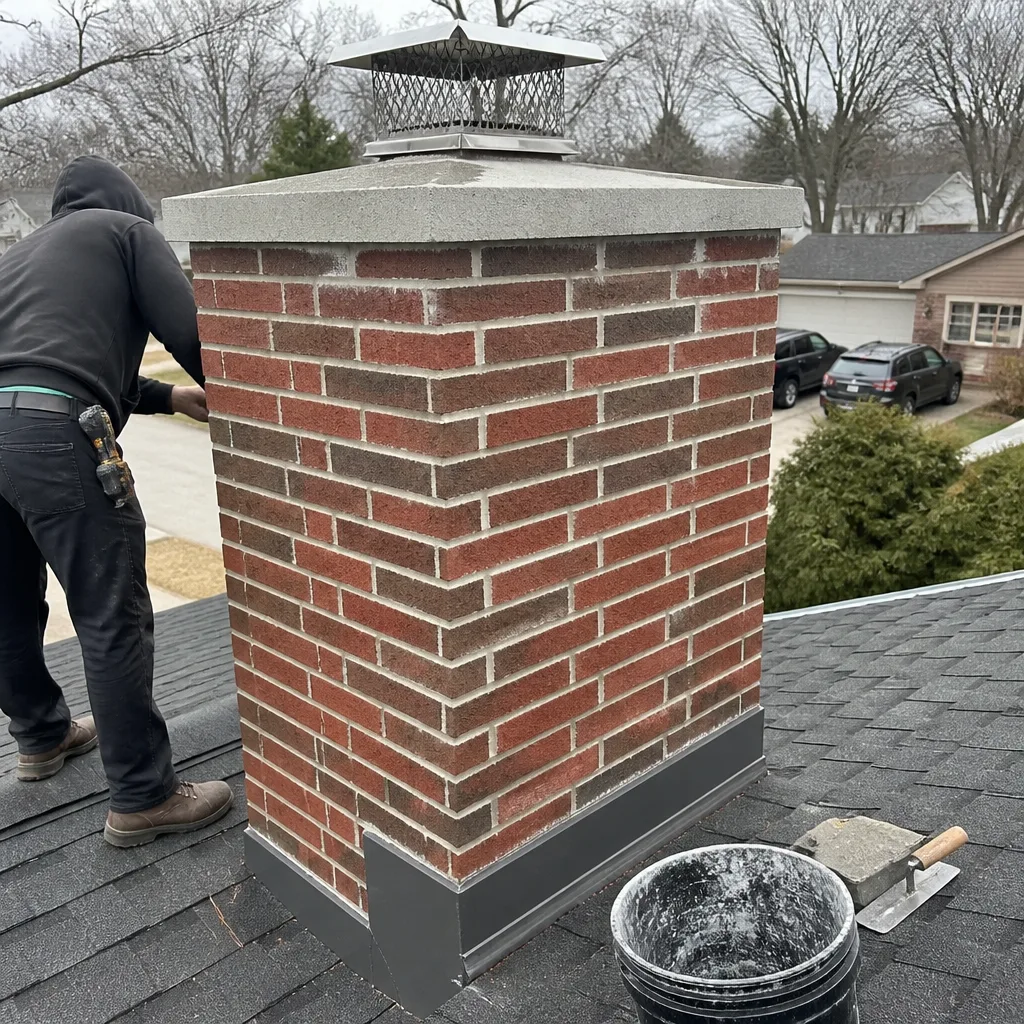 After
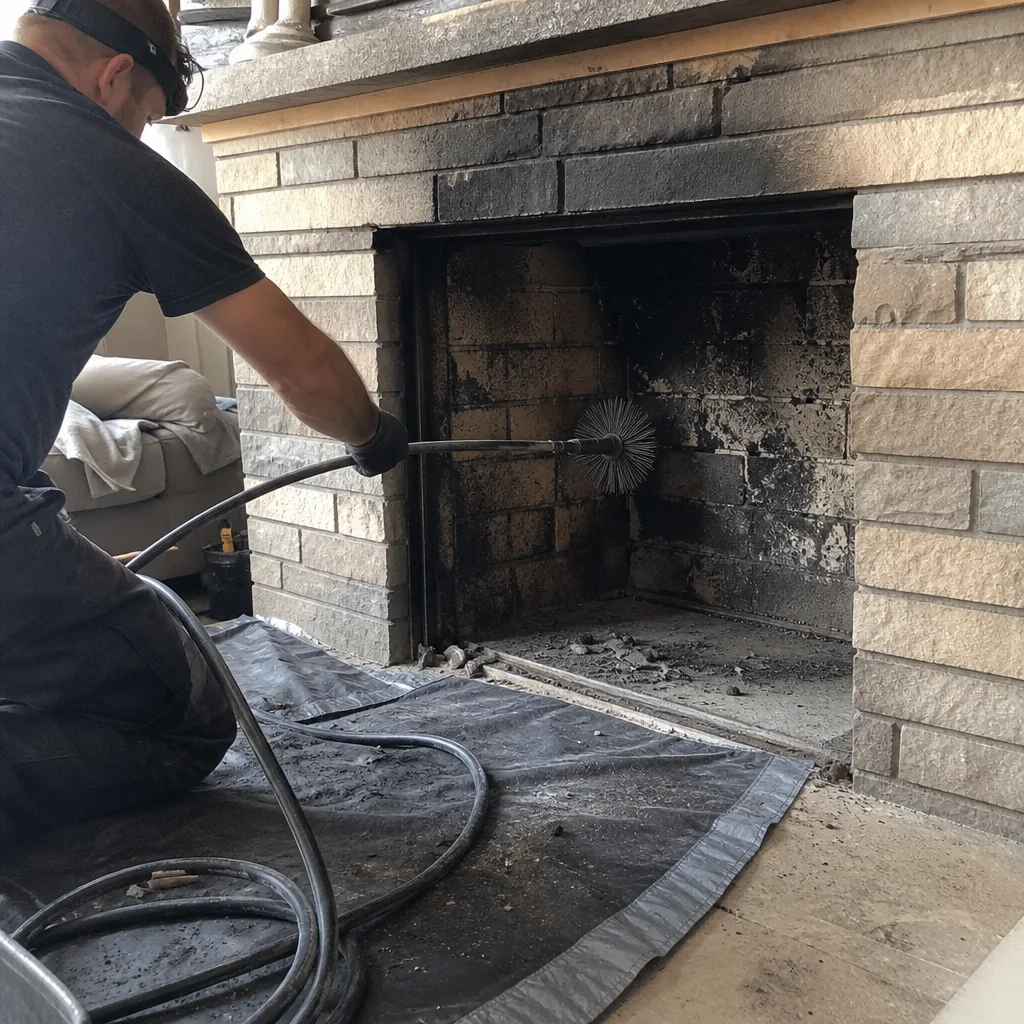 Before
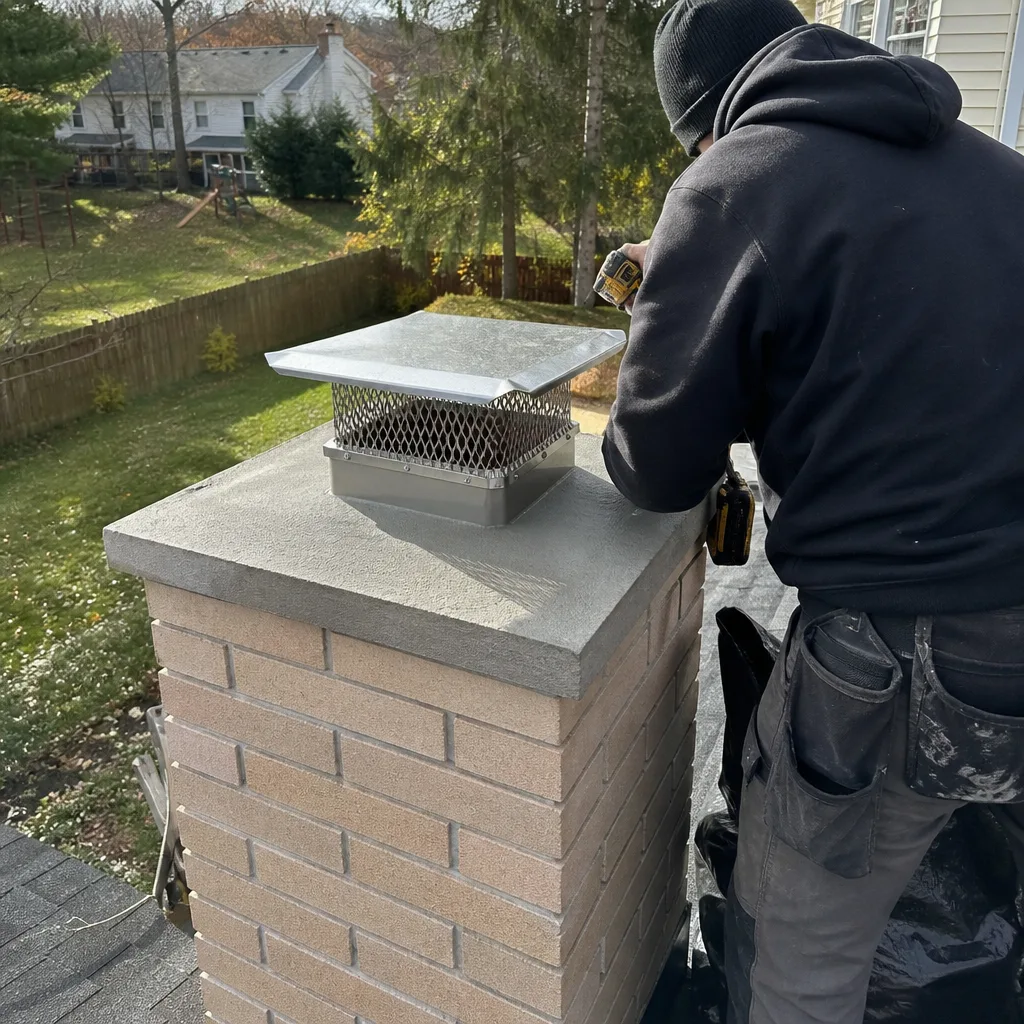 After
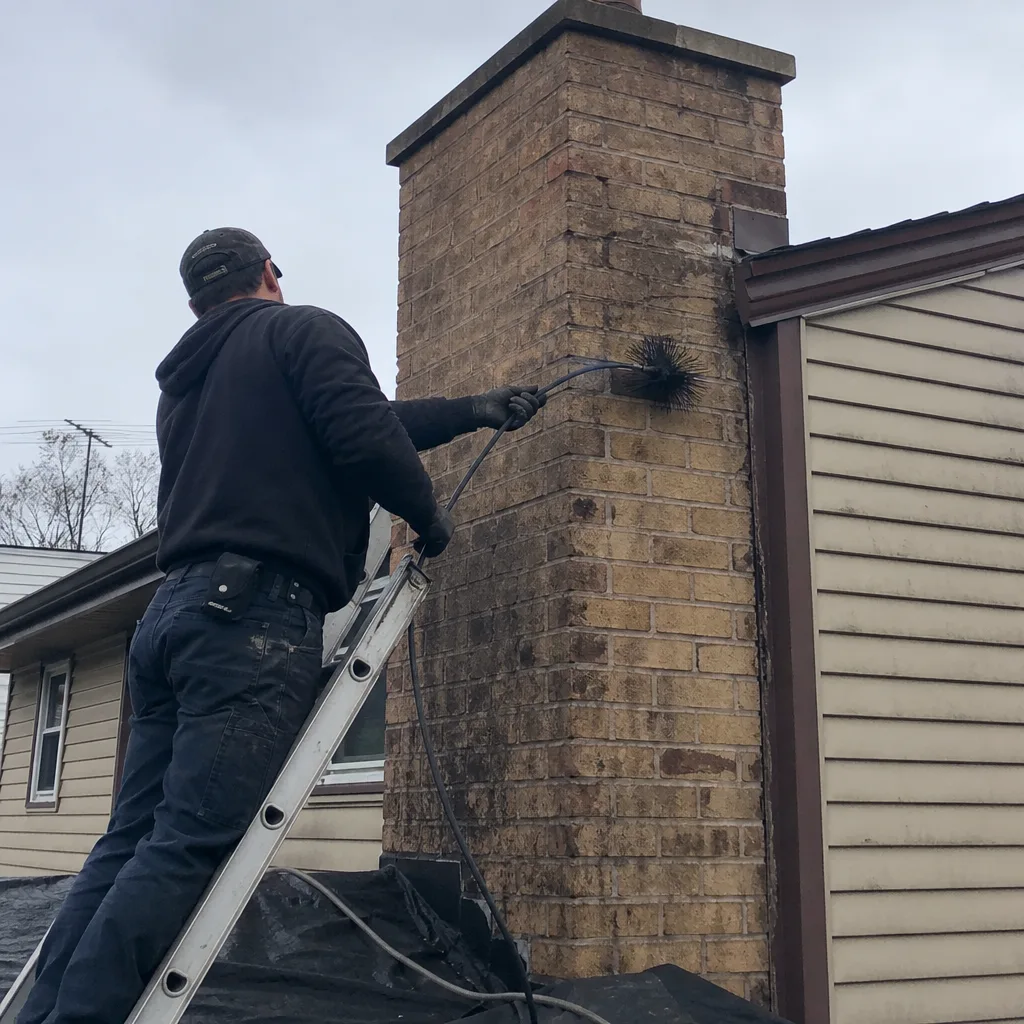 Before
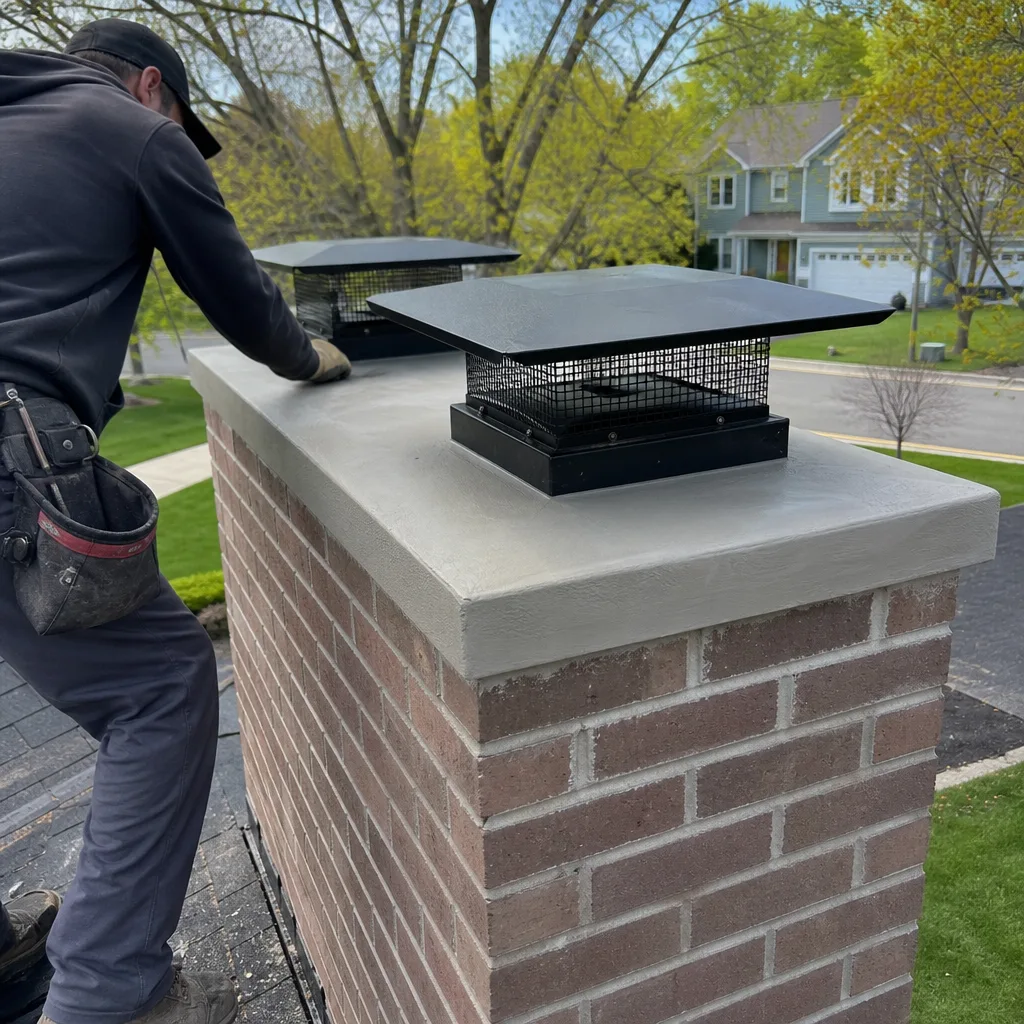 After