
Last updated October 31, 2026
 Sweep & inspection
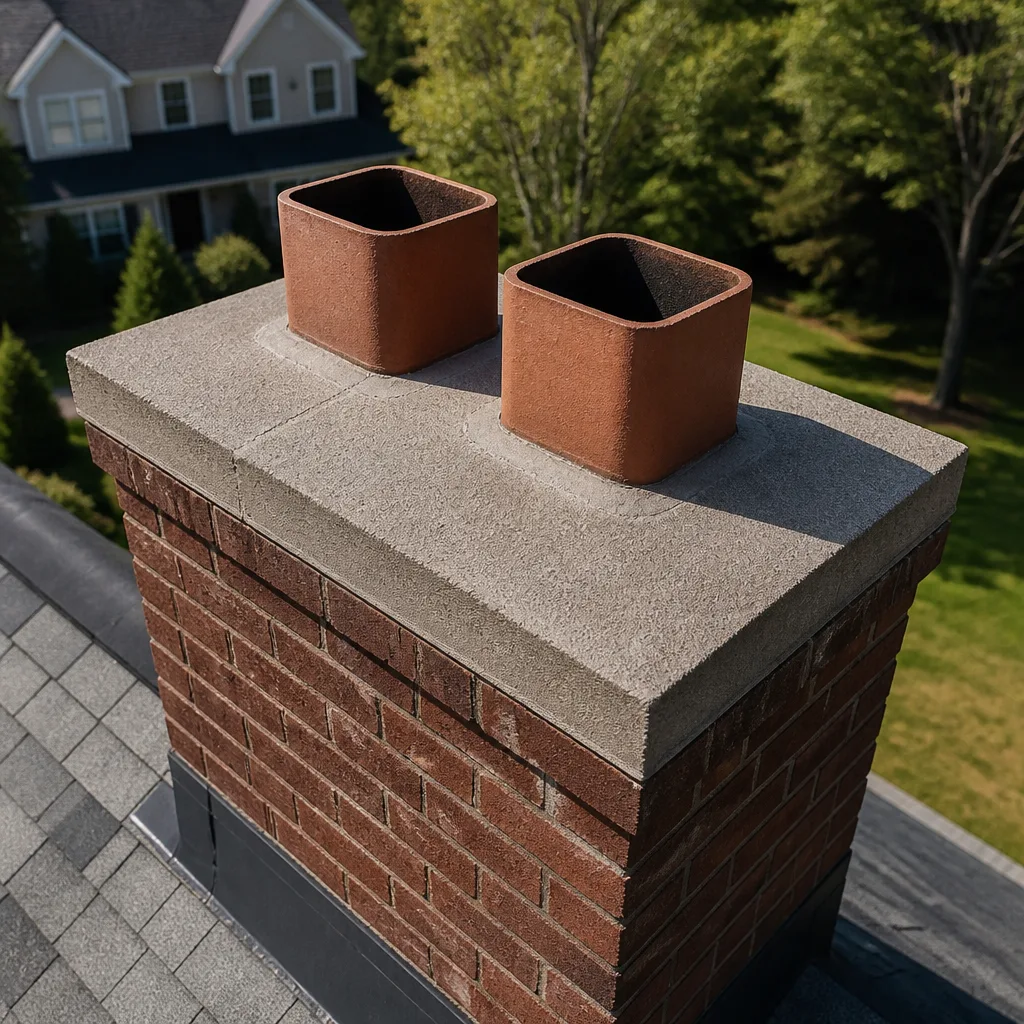
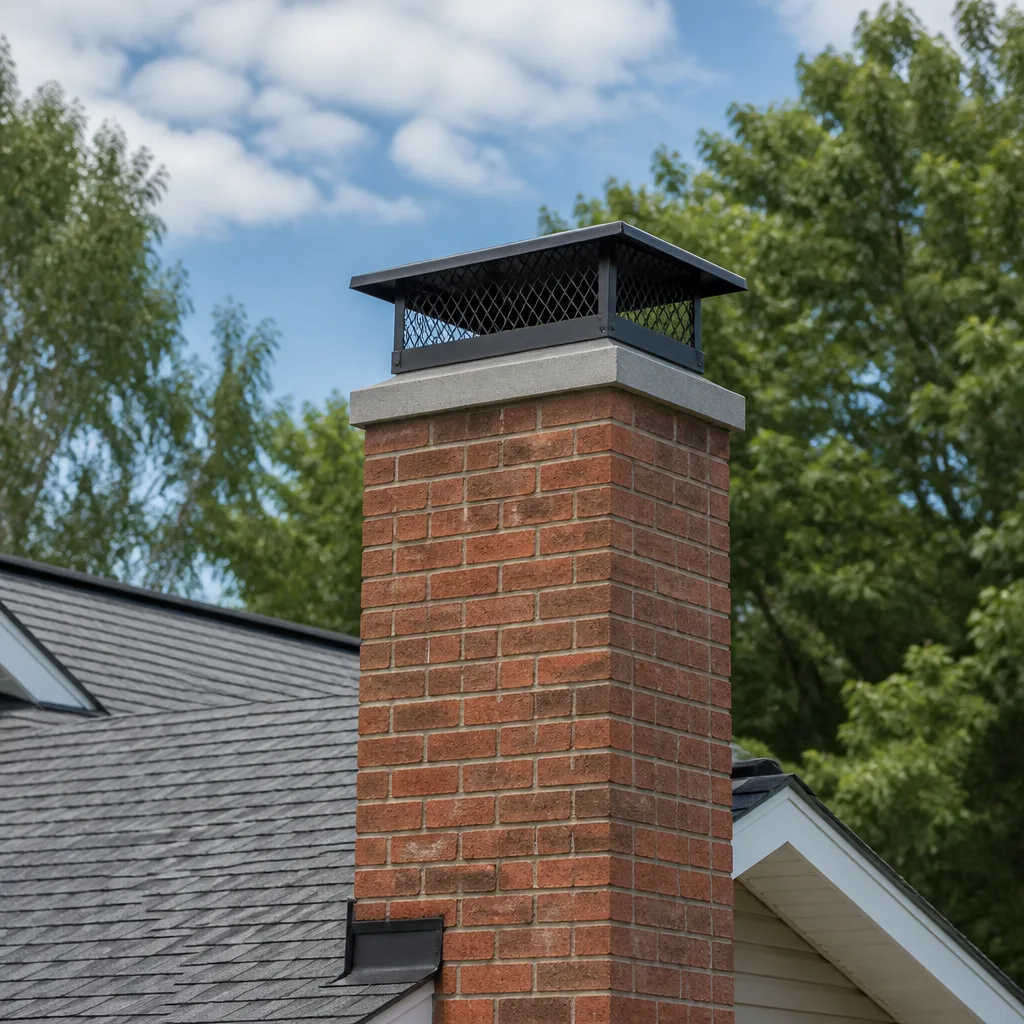 Caps & crowns
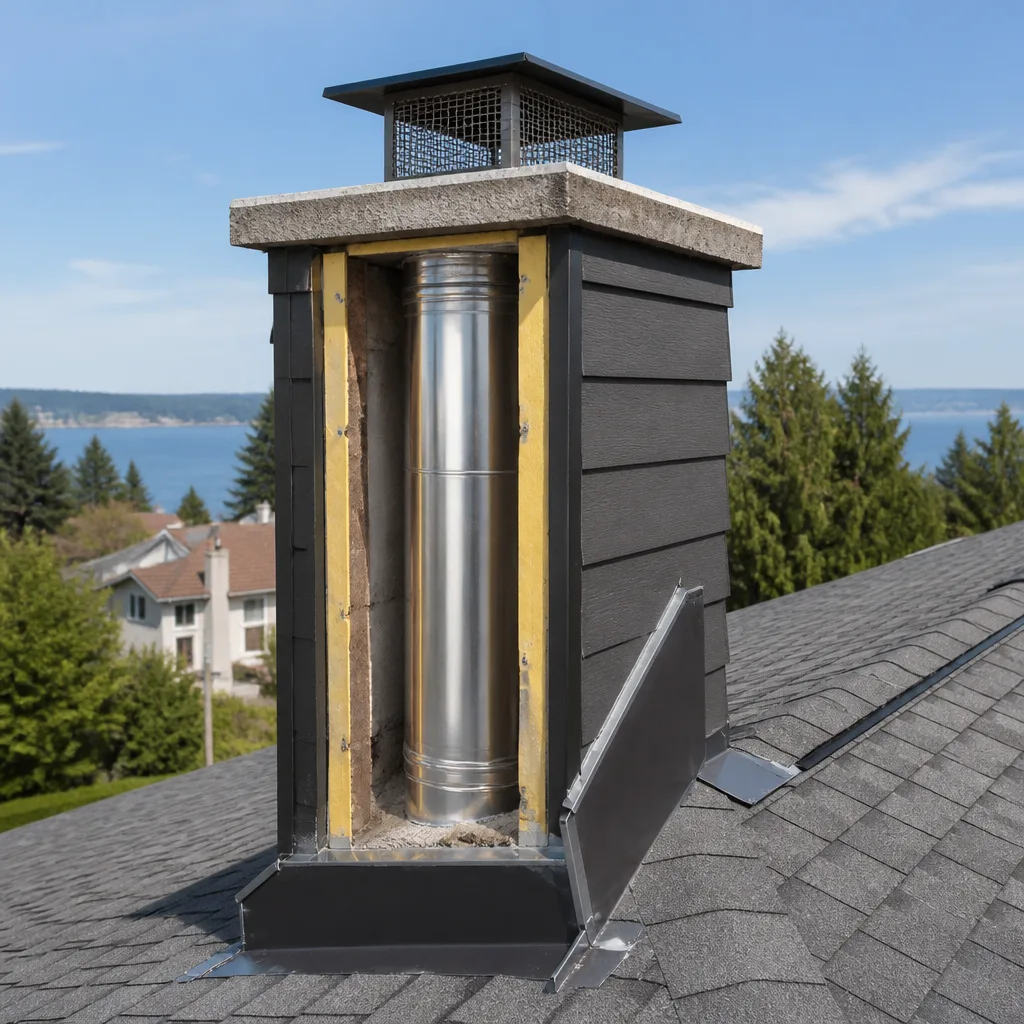 Flue relining
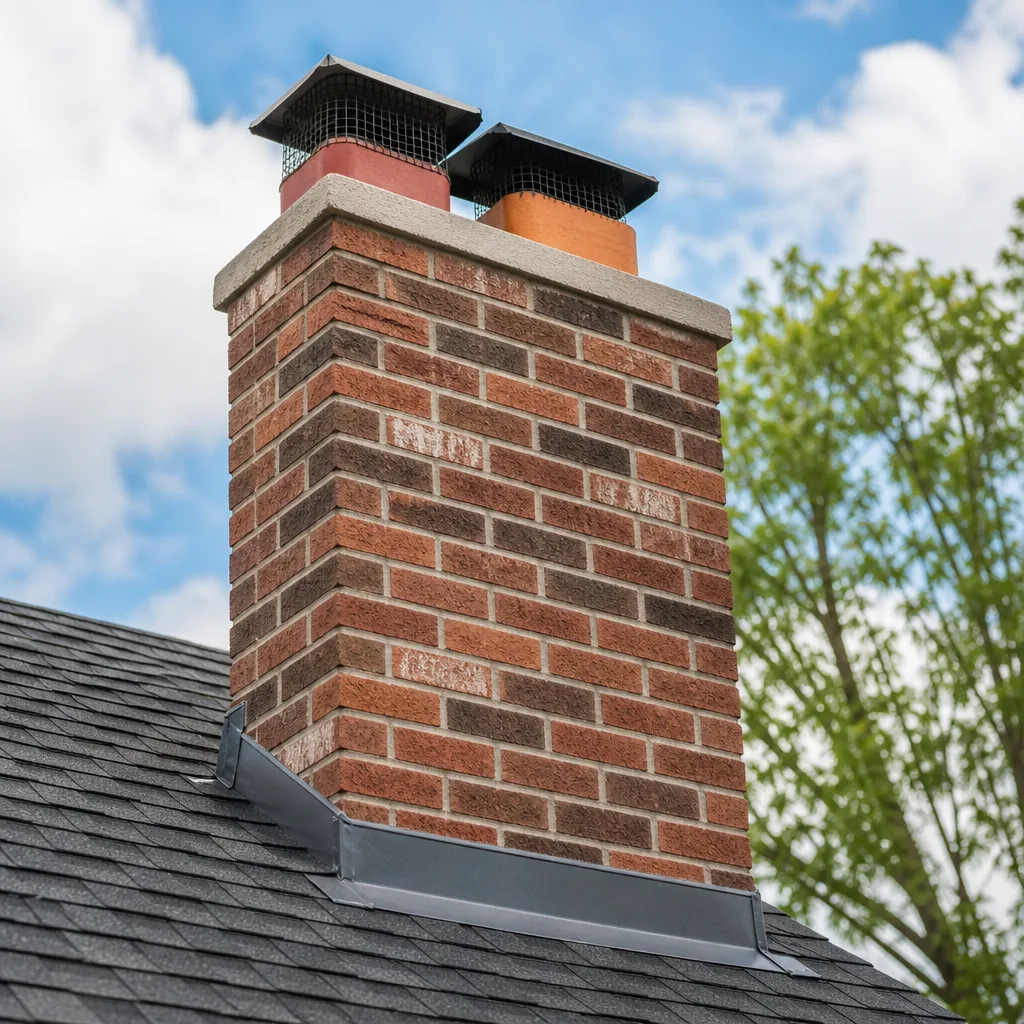 Masonry repair
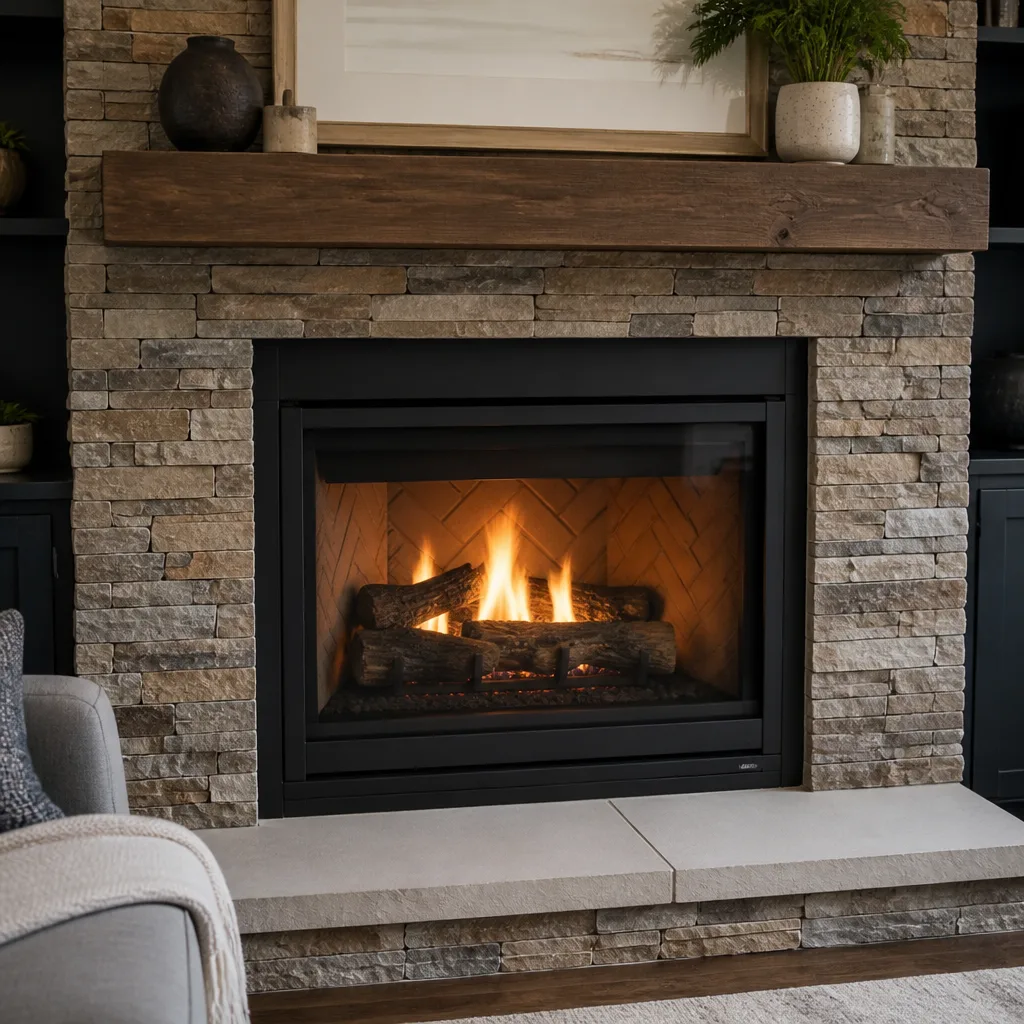 Gas fireplace service
Level 1 sweep and inspection to the NFPA 211 annual standard - flue, crown, cap, and flashing checked and photographed
Chimney sweep logs do not sweep chimneys. They loosen some creosote - which then falls where a brush and vacuum still have to collect it.
Choosing the Right Chimney Cleaning Brand: A Buyer’s Guide for Schaumburg
Here’s something most homeowners don’t realize until a repair goes sideways: the term “chimney brand” doesn’t actually refer to the company that shows up with brushes and a vacuum. It refers to the materials that company installs. HeatShield, DuraFlex, Famco, Copperfield, Gelco – these names mean nothing to most people, but they represent the actual fork in the road between a chimney repair that holds through a Midwest winter cycle and one that fails on the third freeze. This guide explains what those material specifications are, why they matter for a Schaumburg home specifically, and how to make sure you’re buying a system built for decades, not a hardware-store patch job.
Styles & brands we work with
Quick Answer
The right chimney cleaning brand for a Schaumburg home isn’t a brand at all – it’s a specification. You want a sweep that stocks and installs contractor-grade liner systems, caps, and sealants from names like DuraFlex, HeatShield, Famco, and Copperfield rather than whatever fits off a retail shelf. Ask any contractor one question before booking: “What brand are you installing, and can I see the spec sheet?” A specialist answers immediately with specifics. A generalist gives you a blank stare.
Table of Contents
- The Product Categories That Actually Matter
- 304 vs. 316 Stainless Steel: Why Fuel Type Decides the Liner
- What a Contractor-Grade Cap Has That a Shelf Cap Doesn’t
- Chimney Waterproofing: Vapor-Permeable vs. Film-Forming Sealants
- The One Question Every Homeowner Should Ask
- How Specifications Translate to Years of Service
- Common Mistakes to Avoid
- When to Call a Professional
- Frequently Asked Questions
- The Bottom Line
The Product Categories That Actually Matter
When a Duke Chimney Sweep home visit turns into a repair recommendation, you’re not being sold a “brand.” You’re being offered a specification in one of four categories: liner systems, chimney caps, crown sealants, and waterproofing treatments. Each one does something different, and each one has a cheap version and a contractor-grade version.
Liner systems carry exhaust gases from your firebox to the outside. They’re the core of the chimney’s safety function, and they’re the component most likely to be the difference between a five-year repair and a twenty-five-year repair. Chimney caps sit at the top and keep rain, animals, and debris out. Crown sealants protect the concrete crown, which is the flat surface that sheds water away from the flue opening. Waterproofing treatments go on the masonry itself and decide how the brick handles Schaumburg’s freeze-thaw cycle.
Specification-grade products in all four categories are what chimney engineers specify when they design or repair systems professionally. Commodity versions are what you find at big-box retailers. The difference isn’t branding. It’s material composition, testing, and the tolerance the product has for real-world conditions.
304 vs. 316 Stainless Steel: Why Fuel Type Decides the Liner
Stainless steel liner systems come in two common alloy grades: 304 and 316. The distinction matters more in the Midwest than it does in drier climates, and it’s the first place a homeowner can check whether a contractor is specifying or guessing.
- 304 stainless steel is the standard for wood-burning fireplaces and most gas applications. It’s durable, corrosion-resistant, and handles the byproducts of wood combustion well when the chimney is used and swept regularly.
- 316 stainless steel contains molybdenum, which gives it superior resistance to chloride corrosion. That becomes relevant with gas logs and certain oil-fired appliances, where acidic condensate can sit in the flue and eat at the liner from the inside.
- Schaumburg’s climate doesn’t directly choose between 304 and 316, but it adds a layer of consideration: a liner that will see condensation from both combustion byproducts and temperature swings between a heated home and January air needs an alloy that resists both acid and chloride attack. A knowledgeable sweep will specify based on fuel type and will tell you why.
Most importantly, a liner system is not a generic tube. The term “DuraFlex” refers to a specific family of flexible stainless steel liner products with known wall thicknesses, alloy specifications, and testing. A contractor who says they’ll “relight your chimney with a stainless liner” without naming the alloy or the manufacturer’s product family hasn’t told you anything at all. In our experience, we’ve pulled liners that were barely five years old and already showing corrosion at the seams because the wrong alloy was installed for the fuel type. That’s a $1,800 – $3,500 mistake in most Schaumburg homes.
What a Contractor-Grade Cap Has That a Shelf Cap Doesn’t
Chimney caps look simple from the ground, and that’s why they’re the most commonly underbought product in chimney work. The shelf version is a piece of stamped sheet metal with a mesh screen. The contractor-grade version has three things the shelf version doesn’t: heavier gauge metal, welded or mechanically crimped seams rather than press-fit construction, and an animal-exclusion rating that actually accounts for raccoons, squirrels, and birds.
Metal gauge matters because a chimney cap is the first component to absorb weather. It takes the full force of every rainstorm, every freeze-thaw cycle, every snow melt that drips down the flue. A thin-gauge cap warps and rusts within a few Schaumburg winters. A cap built with a heavier 18-gauge or 16-gauge stainless body holds its shape, keeps its seams tight, and doesn’t become a rust-darkened eyesore above the roofline.
Seam construction is the specific detail most homeowners never see. A retail cap is often press-fit, meaning the pieces are bent to shape but not fastened. Anyone who has watched ten years of Chicago-area weather work a piece of metal can tell you: press-fit seams separate. Contractor-grade caps, like many of the Copperfield and Famco products we stock and install, are built with welded or mechanically crimped seams that hold under repeated thermal cycling.
And then there’s animal exclusion. A standard 3/4-inch mesh screen keeps out birds. It does not reliably keep out squirrels, which can compress through surprisingly small gaps, or raccoons, which will pry at seams until something gives. In Schaumburg, where mature trees and older housing stock create a healthy raccoon population, a cap that doesn’t account for animal pressure is a temporary solution. The specification-grade versions are designed and tested for exactly that.
Chimney Waterproofing: Vapor-Permeable vs. Film-Forming Sealants
Here’s the most counterintuitive fact in chimney maintenance: the wrong waterproofing product accelerates the damage it’s supposed to prevent. Understanding why requires knowing how Schaumburg’s climate punishes brick.
Brick and mortar are porous. Water enters through the surface, and in a freeze-thaw cycle like the one Schaumburg sees every December through March, water that has penetrated the masonry expands by roughly 9% when it freezes. That expansion cracks the brick from the inside. Over enough cycles, the face of the brick pops off – this is spalling, and it’s the most common structural failure in older Schaumburg chimneys.
A vapor-permeable waterproofing product allows water vapor inside the brick to escape while preventing liquid water from getting in. The masonry can breathe, and freeze-thaw pressure is minimized. A film-forming sealant, by contrast, creates a continuous surface film that seals everything in – including the moisture that’s already inside the brick. In a freeze-thaw climate, a film-forming product traps water inside the masonry, where it freezes, expands, and causes exactly the spalling it was meant to prevent.
Contractor-grade masonry sealants are vapor-permeable by design and specified for the freeze-thaw cycling common throughout the Chicago area. Commodity “waterproofing” products sold for patios and driveways often are not. The question to ask is direct: “Is this product specifically rated as vapor-permeable for brick chimneys?” If the answer isn’t immediate, find another chimney company. Read more about how we approach this in our Chimney Repair in Wheeling service, where the same freeze-thaw specification applies.
The One Question Every Homeowner Should Ask
We’ll make this simple. There’s a single question that separates a specification-grade chimney professional from a generalist who happens to own a brush: “What brand are you installing, and can I see the spec sheet?”
A confident, knowledgeable answer sounds like this: “We’re relining this flue with a DuraFlex 316L system because you’re running gas logs and the condensate from that fuel type is acidic. The alloy spec is ASTM A240, the wall thickness is 0.005 inches, and here’s the manufacturer’s data sheet.”
A less confident answer sounds like this: “We use good stainless steel liners. Don’t worry about it.” That’s not an answer. That’s a signal the contractor either doesn’t know the difference or hopes you won’t ask.
Here’s the step-by-step for asking the question well:
- Ask the question before you schedule the work. If the answer is vague over the phone, it won’t get sharper in person.
- Ask for the specific product family. “Stainless liner” is a material. “DuraFlex 316L” is a specification.
- Ask what fuel type the product is rated for. A wood-rated liner on a gas appliance is a mismatch that shortens service life.
- Ask to see the spec sheet. A professional who works with these products has the manufacturer’s documentation. You don’t need to read every line, but you want to see that it exists and has a spec.
- Ask what warranty the manufacturer provides. Specifications and manufacturer warranties go together. A contractor who won’t tell you whose liner they’re installing probably doesn’t have a manufacturer standing behind the product.
When a contractor can’t answer, they’re not necessarily dishonest. Often they’re simply not a specialist, and they’re installing whatever their distributor had on the shelf that month. That’s not a character flaw. But it’s a poor foundation for a repair you’re hoping lasts twenty years.
How Specifications Translate to Years of Service
Material specifications don’t exist in the abstract. They translate directly into how long a repair lasts, and in a climate like Schaumburg’s, the gap between a specification-grade product and a commodity one compresses.
Take a stainless steel liner installed in a wood-burning chimney. A properly specified 304 or 316 system, swept annually and inspected at reasonable intervals, can run twenty to twenty-five years. A thinner, non-specified “stainless” liner from a big-box shelf can show signs of corrosion at year five and require replacement by year ten. The labor to install either one is roughly the same. The material cost difference is a few hundred dollars. The difference in service life is a factor of three or four.
A contractor-grade chimney cap from a company like Famco or Copperfield is engineered for decades of weather exposure. A retail shelf cap in Schaumburg often shows rust staining within two or three years and needs replacement within five. Again, the labor is similar. The cap cost difference is modest.
Waterproofing is even starker. A vapor-permeable product applied correctly to a Schaumburg chimney lasts seven to ten years and prevents spalling during the window it’s active. A film-forming product applied incorrectly starts trapping moisture immediately, and the spalling it causes is a structural problem, not a cosmetic one. The material cost difference between the right and wrong product is the smallest delta in all of chimney repair – and the downstream masonry repair cost is the largest. This is the definition of a specification decision.
In our experience across the northwest suburbs, homeowners who end up with short-lived repairs aren’t usually victims of bad workmanship. They’re victims of being sold a material that was never specified for their chimney’s fuel type, their climate, or both. The workmanship was fine. The material was wrong on day one.
When we approach repair work, the philosophy is straightforward: restore before you replace. The HeatShield resurfacing system lets us rebuild a flue’s inner surface without tearing down masonry, and the liner systems we stock are the same DuraFlex products specified by chimney engineers. That’s not a sales pitch – it’s a statement of what the materials are and what they’re designed to do.
Common Mistakes to Avoid
- Buying the cheapest quote and treating all materials as equal. The cheapest quote is almost always the cheapest because of the materials, not the labor. A $400 chimney cap replacement with a shelf-spec product will need another replacement before a $550 contractor-grade cap shows its first sign of wear. The math on the cheap quote doesn’t hold.
- Selecting a liner without knowing your fuel type. Gas, wood, and oil exhaust produce different chemical environments inside a flue. A liner that’s perfect for a wood stove may be inadequate for an oil furnace. If your contractor doesn’t ask what fuel you’re burning, they’re not specifying anything.
- Using a film-forming waterproofing product on Schaumburg brick. This is the most common specification error we see, and it’s the one most likely to produce visible damage within two to three winters. A vapor-permeable product is non-negotiable in freeze-thaw climates.
- Skipping the chimney cap to save money. An uncapped flue in Schaumburg is an open invitation to rain, snow, and the raccoon population that thrives in Cook County’s older housing stock. The damage an uncapped flue permits is orders of magnitude more expensive than the cap itself.
- Treating chimney cleaning as optional seasonal maintenance rather than component inspection. A sweep is the moment a trained professional sees the liner interior, the crown, the cap, and the masonry. Skipping the sweep means skipping the inspection, and skipping the inspection means discovering problems only when they become visible or dangerous.
- Hiring a dryer vent company for a chimney repair job. The venting systems may be related in the home, but the materials and specifications are distinct. A chimney specialist who also does dryer vent work is a different animal than a dryer vent technician who’s willing to take a look at your flue.
- Assuming all stainless steel is the same. The word “stainless” tells you the material family. The alloy grade, wall thickness, and manufacturer testing tell you whether it will last. When you can’t get those details, you have a problem.
When to Call a Professional
Call a professional when you see efflorescence (white staining on the brick), when you notice spalled brick faces in your yard or on the roof, when your chimney cap is visibly rusted or missing, when your liner hasn’t been inspected in five years or more, or when you’re using a gas appliance and haven’t had the flue checked since installation. These are specific conditions with specific diagnostic procedures, not observations a homeowner can safely act on from ground level. If you’re in Schaumburg or the surrounding northwest suburbs and need a qualified assessment, Duke Chimney Sweep offers free estimates – call (844) 660-6510 to have someone take a proper look.
Frequently Asked Questions
A standard chimney sweep in Schaumburg typically runs between $180 and $350, depending on the chimney’s condition, the fuel type, and whether it’s been serviced recently. Homes with heavy creosote buildup or animals in the flue fall toward the higher end. The sweep is also the inspection – which means the cost often identifies liner, cap, or masonry issues before they become structural. Call (844) 660-6510 for an exact quote on your chimney.
A liner replacement is necessary when the existing liner has cracks, gaps, or corrosion that exposes combustible materials to exhaust gases, or when the liner material is wrong for the fuel type you’re now burning. The way to verify it is to ask for camera footage of the flue interior – any professional who recommends a liner should be able to show you the defect in real time, not describe it secondhand.
Once per year for a wood-burning chimney in active use, and every one to two years for gas fireplaces depending on use and appliance type. The Chimney Sweep in Wheeling standard we follow is one annual inspection at minimum for any venting system that sees regular operation. Schaumburg’s burn season runs roughly October through March, which means the spring and early fall are the ideal booking windows.
Creosote deposits build up inside the flue, and creosote is combustible. The National Fire Protection Association identifies creosote accumulation as a primary contributor to chimney fires, which can reach 2,000 degrees inside the flue and crack liners, warp caps, and damage surrounding masonry. Even without a fire, the buildup narrows the flue and reduces draft, which pushes smoke and carbon monoxide back into the living space. In older Schaumburg homes with aging liners, the stakes are higher because the liner is already less able to contain heat.
You can physically apply it, but the risk is choosing a film-forming product that traps moisture inside the brick and accelerates spalling in Schaumburg’s freeze-thaw climate. The product decision, not the application, is where the damage happens. If you’re determined to do it yourself, confirm the product is vapor-permeable and rated specifically for brick chimneys – and understand that applying a waterproofing treatment to brick with existing spalling or missing mortar joints seals in problems rather than solving them.
We handle the full venting system, which means chimney sweeping, chimney repair, and dedicated Dryer Vent Cleaning in Wheeling and throughout the Schaumburg area. A blocked dryer vent is a fire-safety risk that operates on the same principle as a creosote blockage in a flue – lint accumulation becomes fuel, and airflow becomes restricted, which is the recipe for an exhaust fire. Treating the two systems as connected venting infrastructure rather than unrelated chores is exactly why we built the service scope the way we did.
The Bottom Line
Choosing the right chimney cleaning brand in Schaumburg is a question of material specifications, not marketing. For deeper detail, see The Complete Chimney Sweep Guide for Schaumburg Homeowners. The liner alloy, the cap gauge and seam construction, and the vapor permeability of the waterproofing treatment determine whether a repair survives five Schaumburg winters or twenty-five. Ask for the spec sheet. If the answer is immediate and specific, you’re working with a professional. If it’s vague, you’re working with a guess. The difference in cost between commodity and specification-grade materials is modest. The difference in service life is a multiple of three or four. In a freeze-thaw climate like ours, that’s the whole decision.
Written by the team at Duke Chimney Sweep, serving Schaumburg since 2016.
See the difference
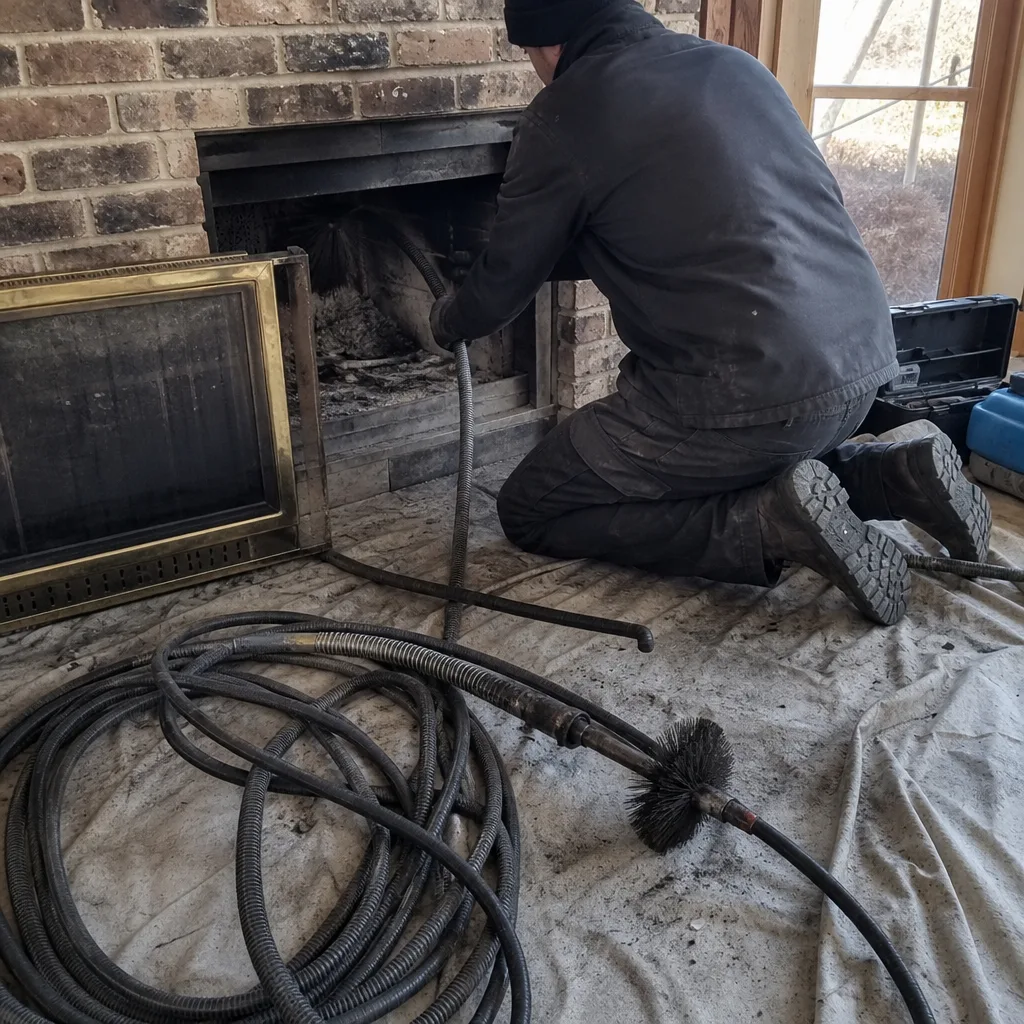 Before
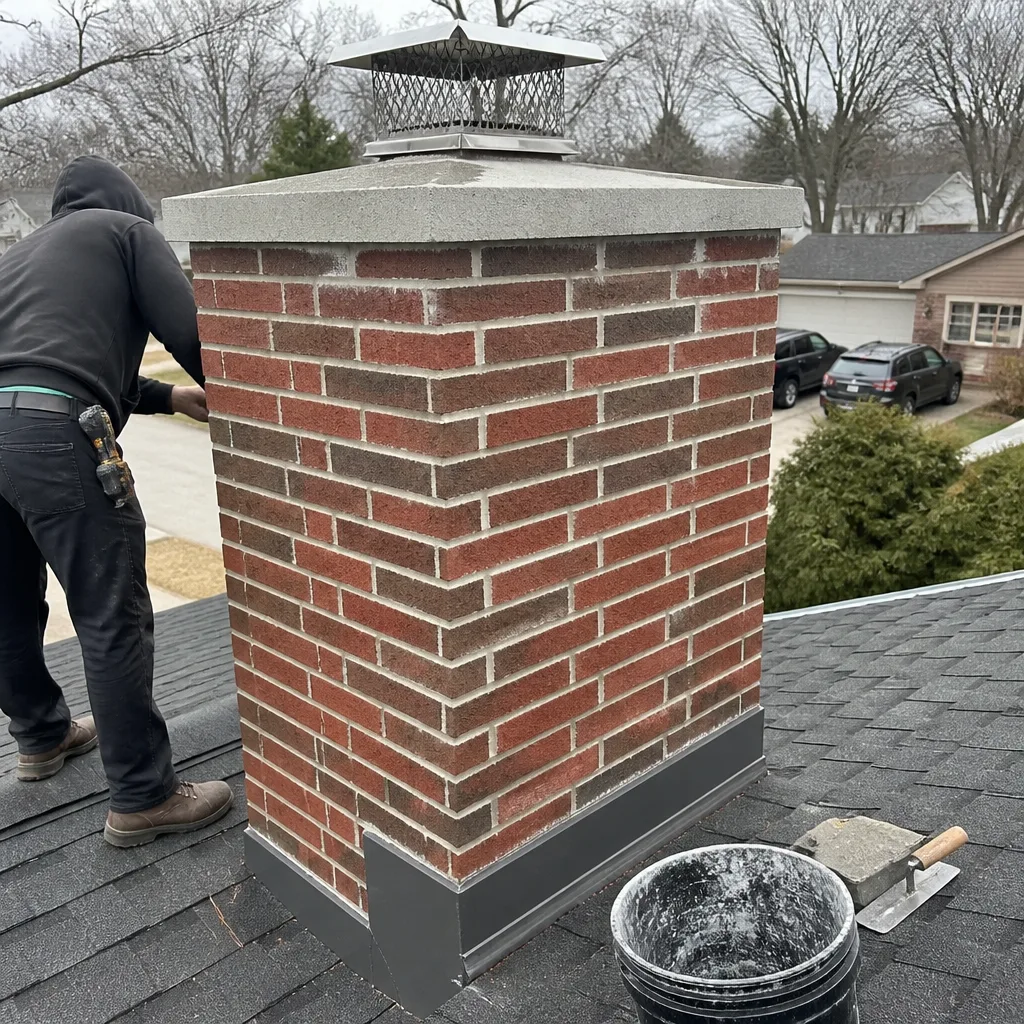 After
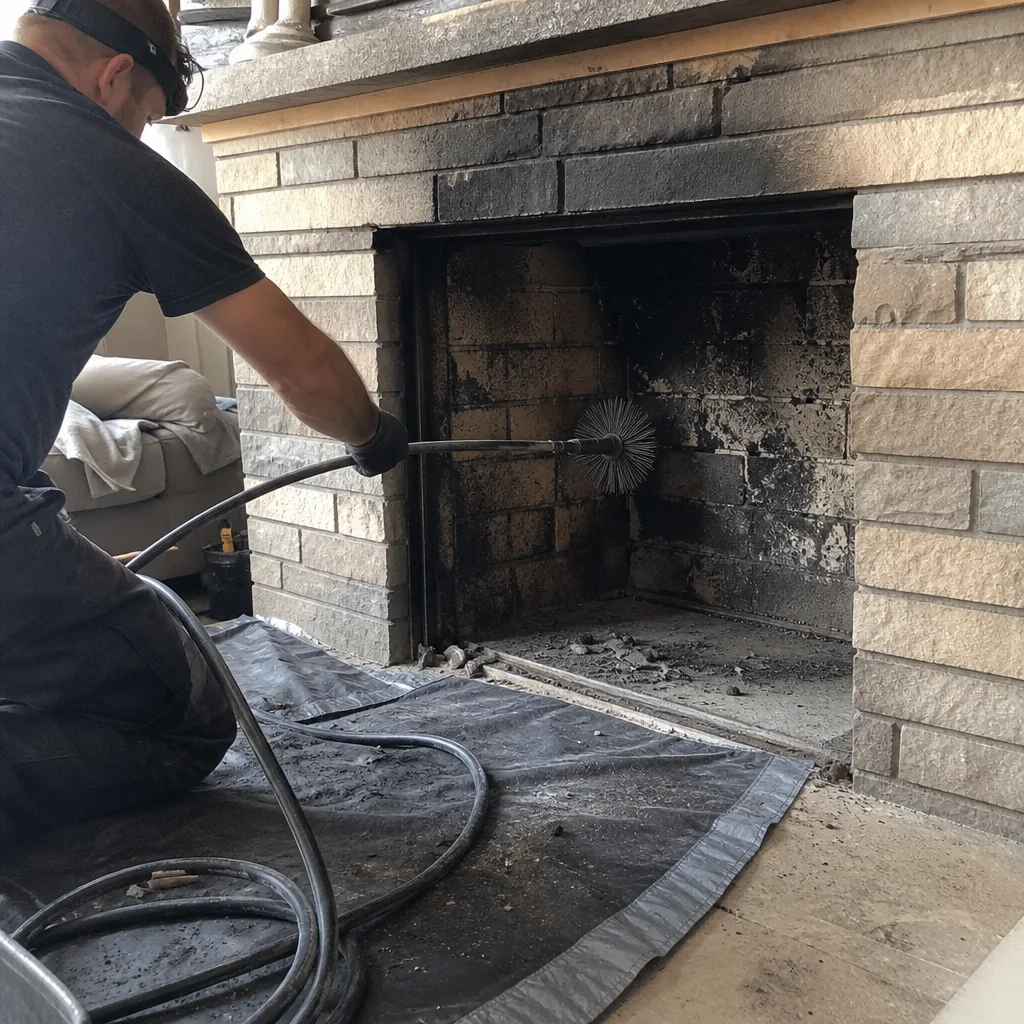 Before
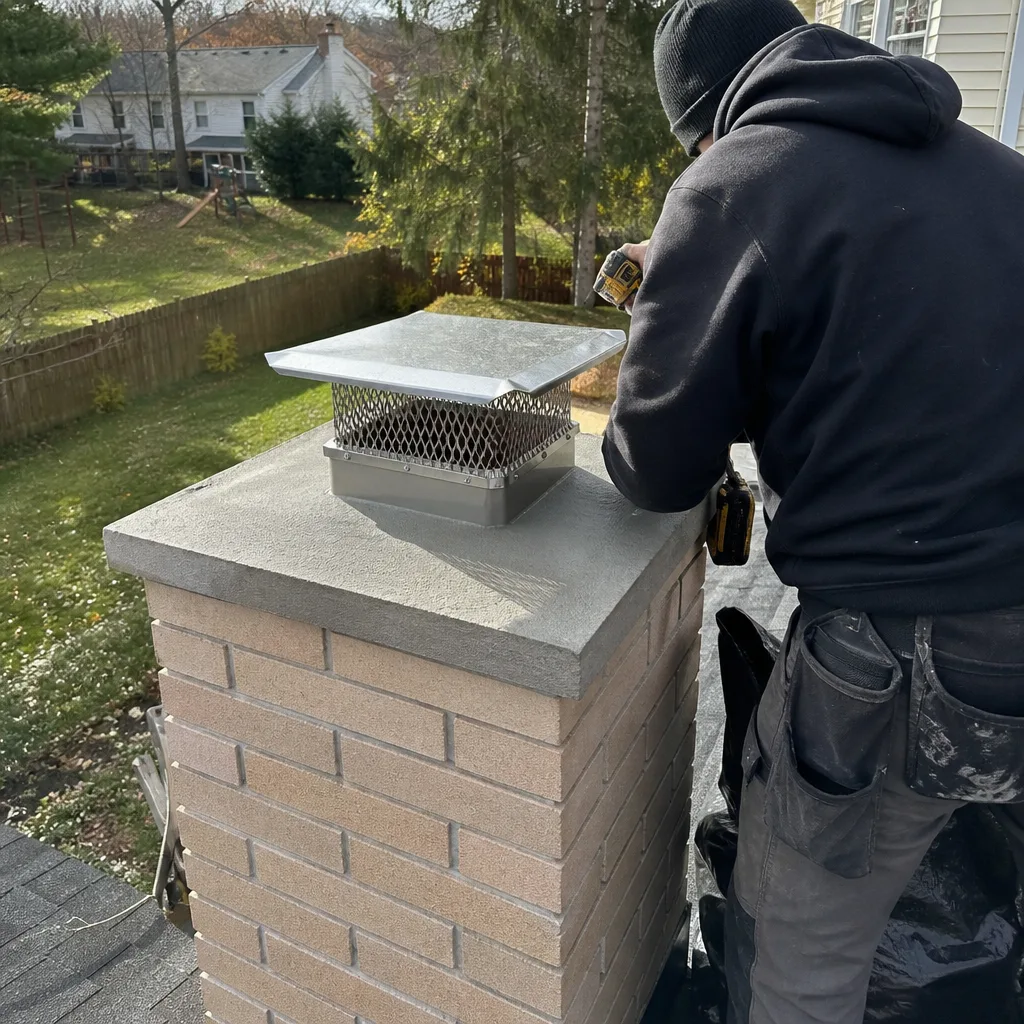 After
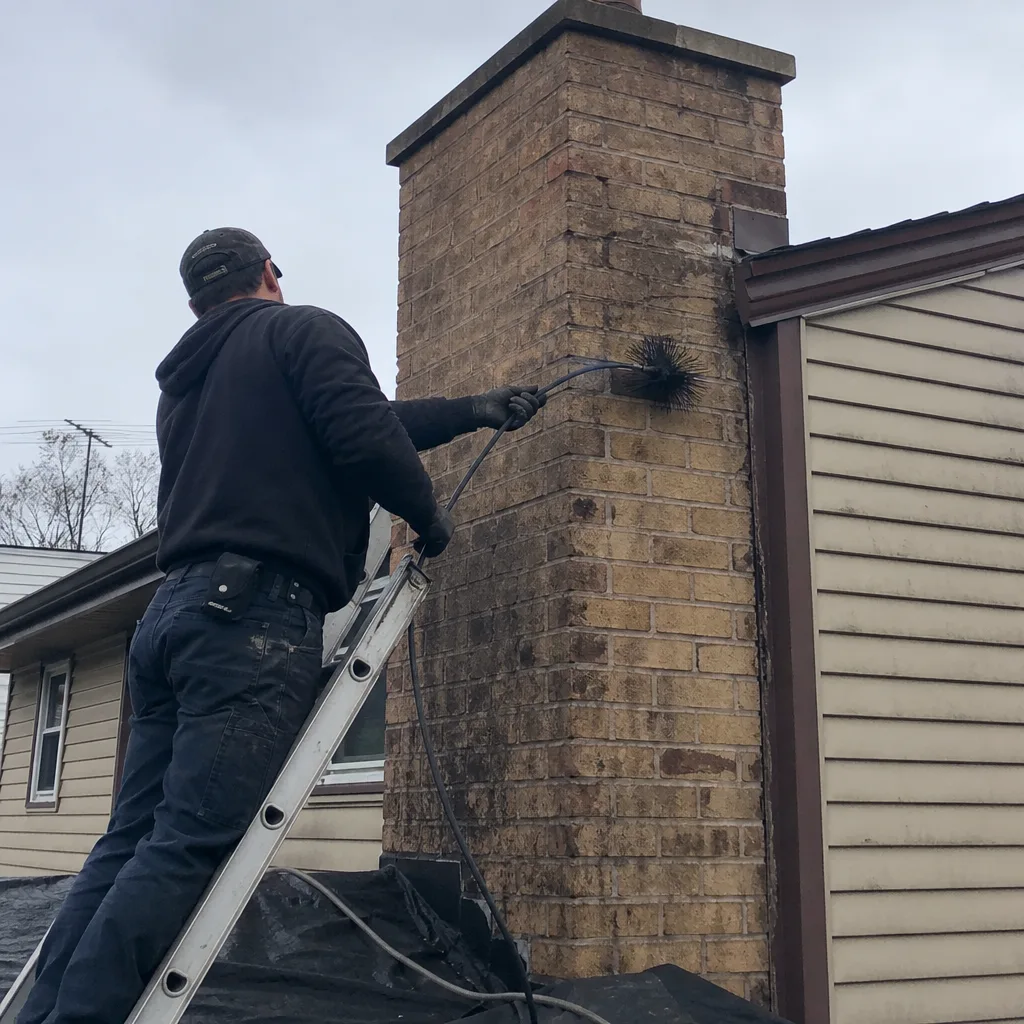 Before
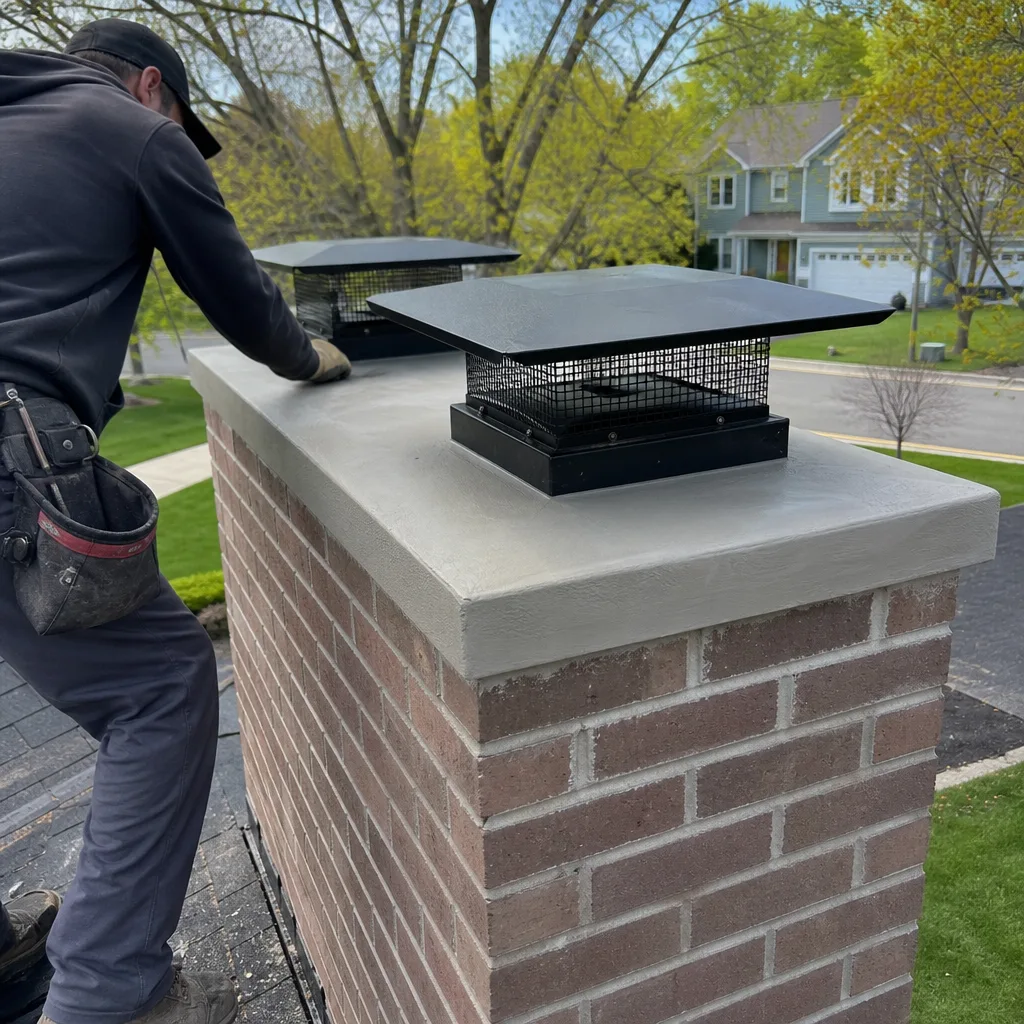 After