

Last updated October 31, 2026
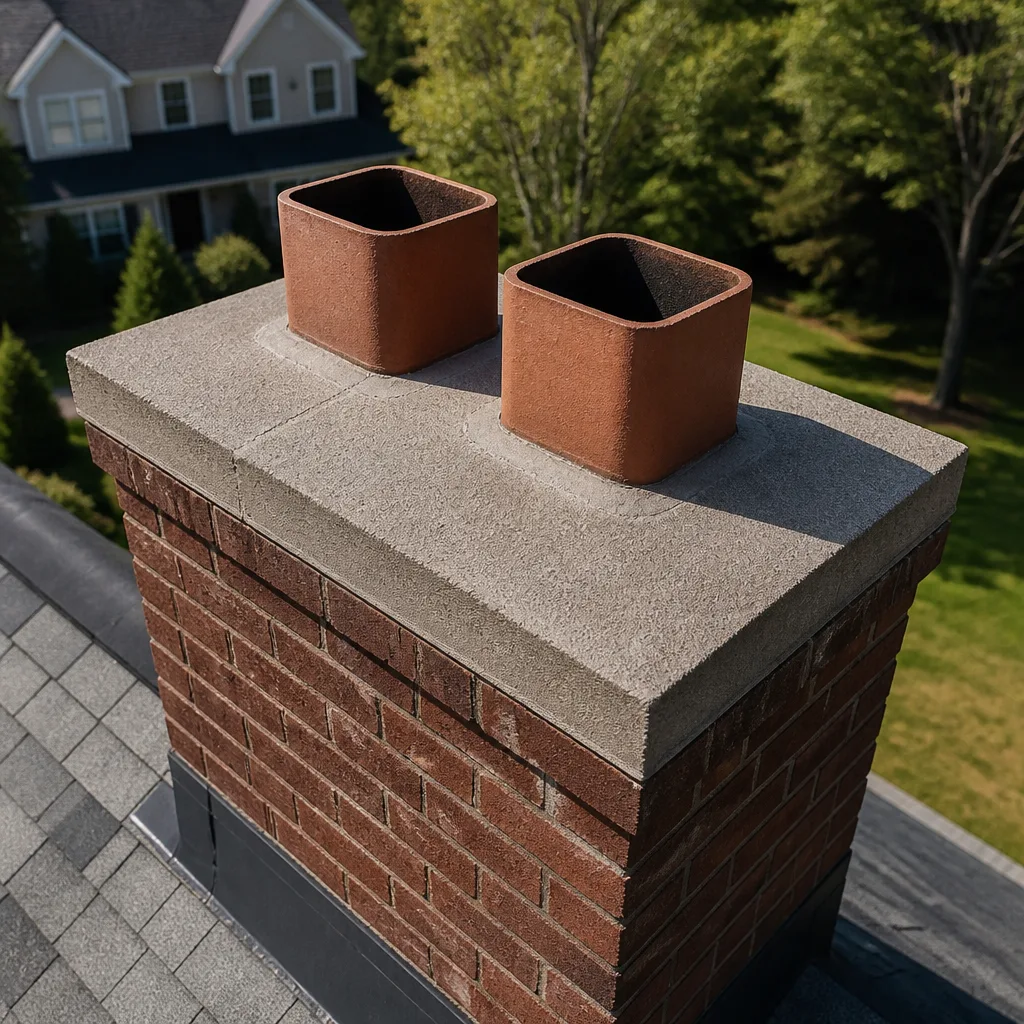 Sweep & inspection
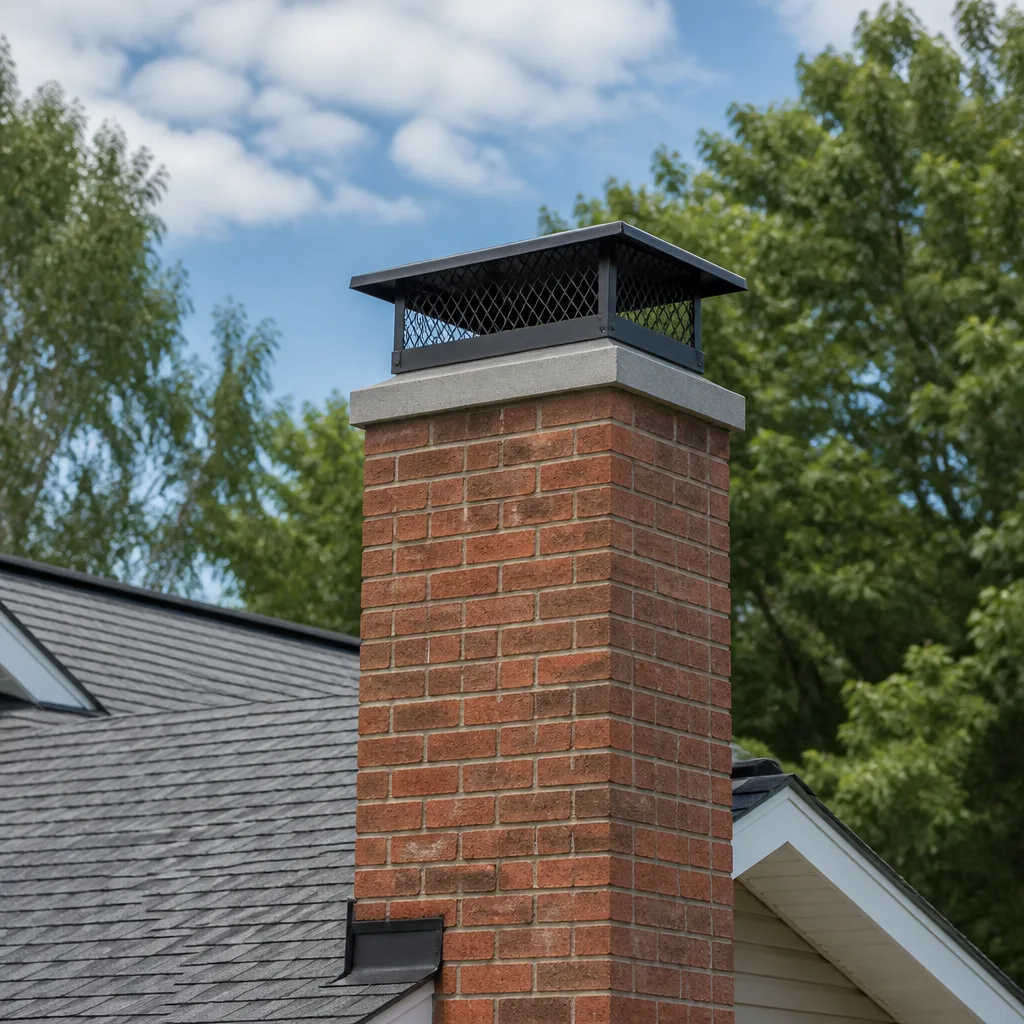 Caps & crowns
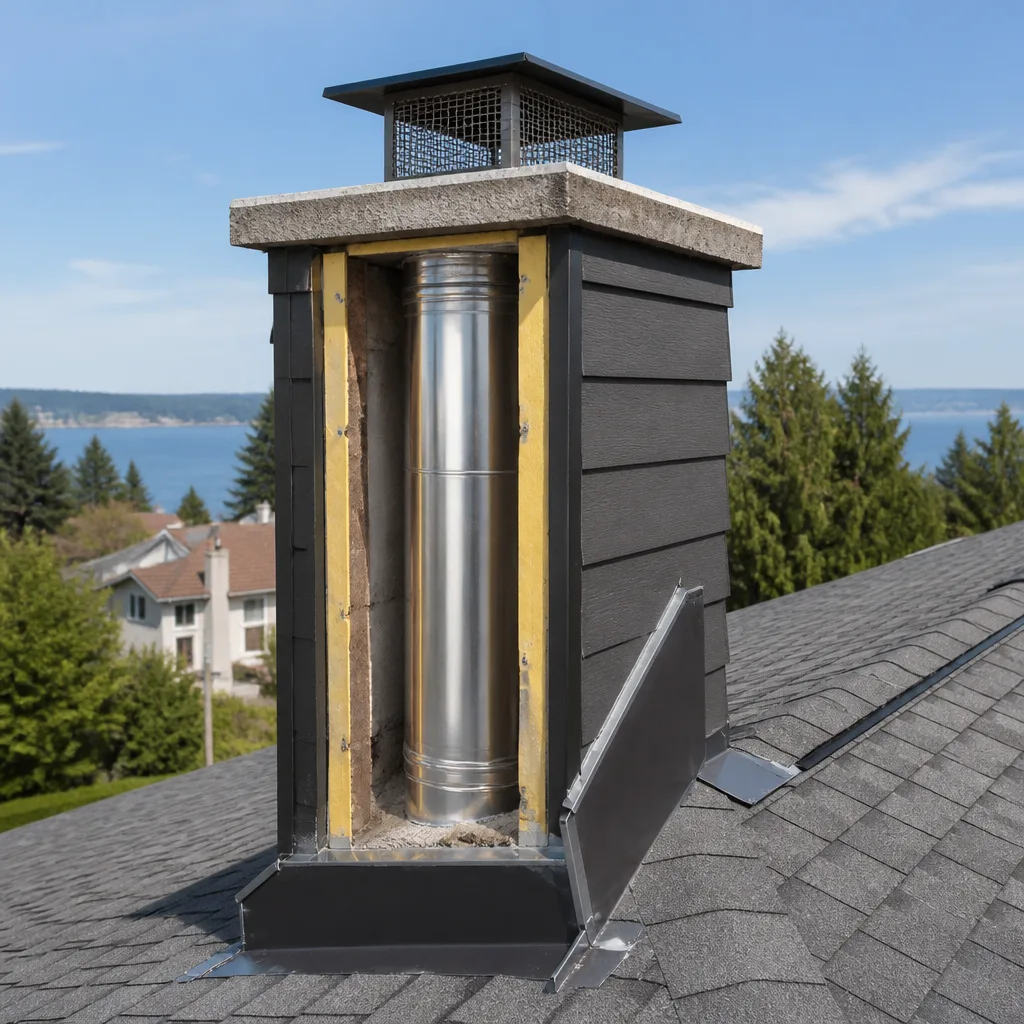 Flue relining
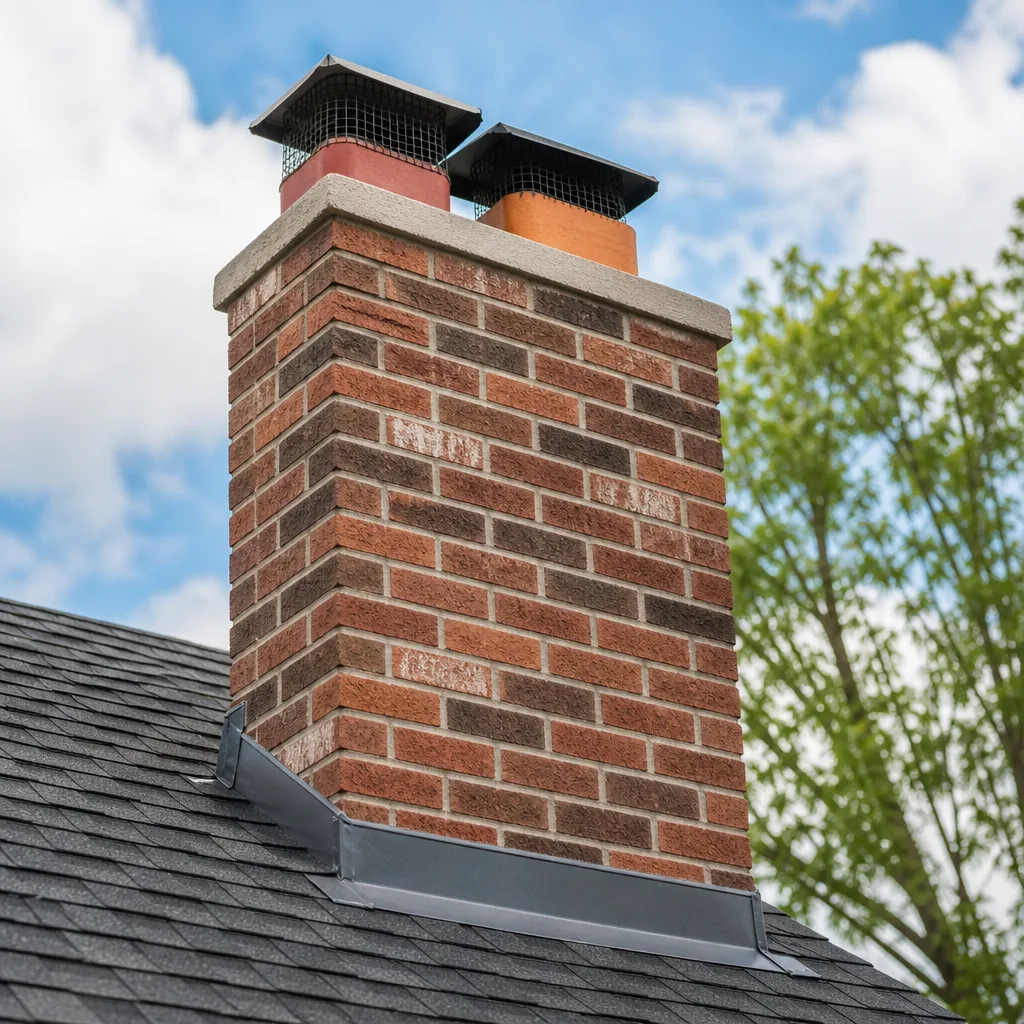 Masonry repair
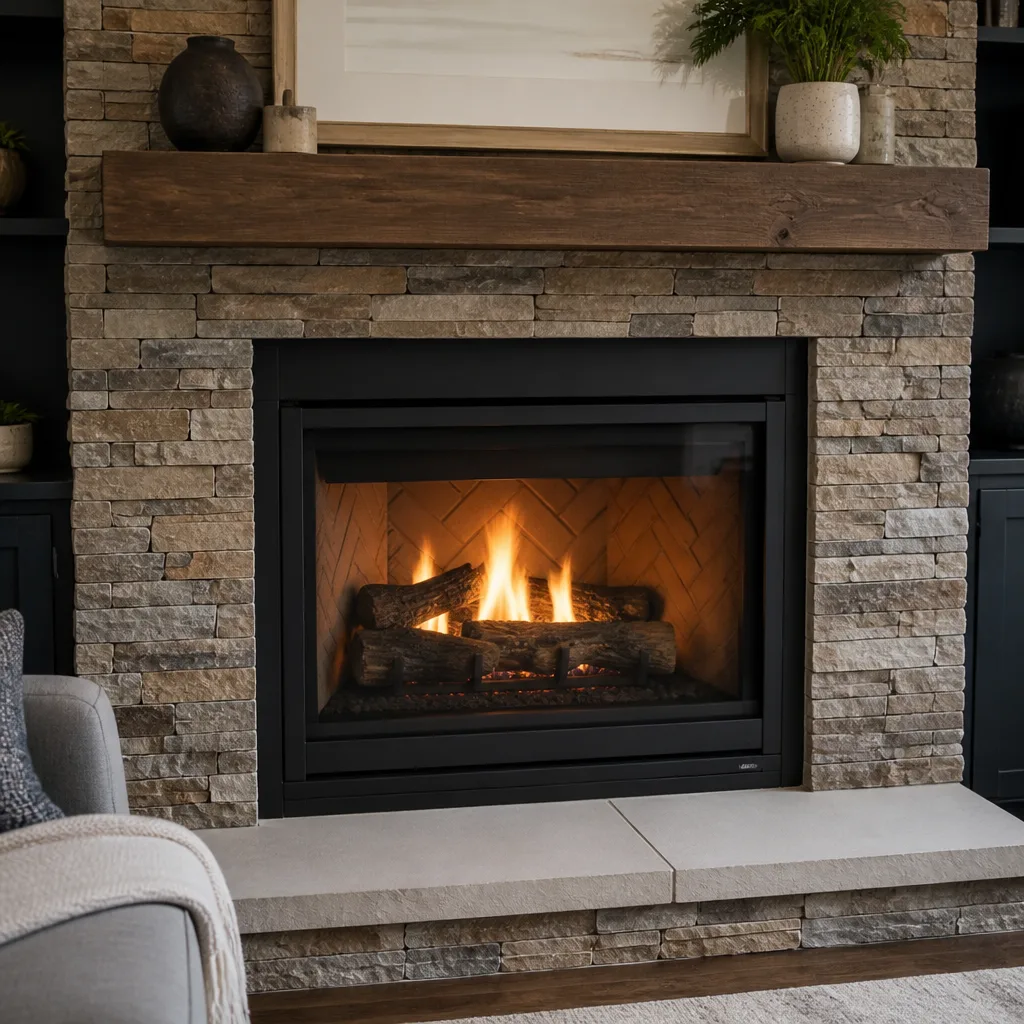 Gas fireplace service
Level 1 sweep and inspection to the NFPA 211 annual standard - flue, crown, cap, and flashing checked and photographed
Chimney sweep logs do not sweep chimneys. They loosen some creosote - which then falls where a brush and vacuum still have to collect it.
Chimney Cleaning Permits, Codes & Inspections in IL: What You Need to Know
Here’s a fact most Schaumburg homeowners learn the hard way: the chimney cleaning you booked for $229 is almost never the problem. The problem is what the sweeping uncovers. A cracked flue tile. A rusted-out damper. A liner that’s delaminating. Suddenly you’re not looking at a cleaning anymore, you’re looking at a repair, and that repair exists in a completely different legal universe than the cleaning did. This guide walks through exactly where that line sits in Illinois, what triggers a permit, which codes inspectors actually enforce, and how to avoid buying a house with an unpermitted chimney repair hiding in its history. For related reading, see our Chimney Cleaning Warning Signs: A Schaumburg Homeowner’s Reference Guide.
Quick Answer
Routine chimney sweeping and inspection do not require a permit anywhere in Illinois. But structural repairs, liner replacement, and masonry rebuilding almost always do, and in municipalities like Schaumburg, unpermitted work can void your homeowner’s insurance claim and become a title defect when you sell. The governing standard is NFPA 211, and Illinois adopts it by reference in most local building codes.
Styles & brands we work with
Table of Contents
- Why Cleaning Is Permit-Free (and Why That Confuses Everything)
- Illinois Building Code and NFPA 211: What Inspectors Actually Check
- Why Schaumburg, Cook County, and DuPage County Can Disagree
- Level 2 Inspections and Permit Compliance: The Hidden Connection
- How Unpermitted Chimney Repairs Affect Insurance Claims
- Real Estate Transactions: The Chimney Inspection You Can’t Skip
- What to Do When a Cleaning Turns Into a Repair Quote
Why Cleaning Is Permit-Free (and Why That Confuses Everything)
Chimney sweeping is classified as maintenance, not construction. You’re not altering the structure, you’re removing accumulated creosote and soot from a system that already exists. The same logic exempts gutter cleaning, drain snaking, and HVAC filter replacement. No Illinois municipality requires a permit to brush a flue, run a rotary cleaning head, or perform a visual inspection. This is true in Schaumburg, in Chicago, in Rockford, in Springfield, in every incorporated village and unincorporated township in the state.
The confusion starts because sweeping and repair happen during the same appointment. A technician runs a camera up the flue, finds damage, and quotes a fix. To the homeowner it feels like one continuous service. But the permit trigger is based on the work performed, not the reason the work was discovered. And here’s the part most people miss: even the repair quote itself can change your legal position. Once a licensed chimney professional documents a structural defect and recommends repair, that condition is now “known” for insurance and disclosure purposes. The cleaning was maintenance. The finding was material. The distinction matters.
In our experience across the northwest suburbs, we regularly see spring failures in Schaumburg chimneys caused by freeze-thaw cycles that spalled brick faces during January and February. By March, a routine cleaning finds loose masonry that was fine six months earlier. That’s not neglect, it’s Illinois weather. But it is a repair, and it changes the permit picture.
What stays permit-free:
- Chimney sweeping (brush, rod, rotary, or power sweeping)
- Visual inspection, including camera inspection of the flue interior
- Creosote removal, including glazed creosote
- Animal removal from the flue (as long as no structural modification is required)
- Damper cleaning and minor lubrication
- Cap cleaning or debris removal that doesn’t involve structural fastening
What typically triggers a permit:
- Furnace flue liner replacement (stainless steel or cast-in-place)
- Rebuilding a chimney crown
- Repointing more than a cosmetic area of brick (many municipalities set a threshold; in some it’s any repointing above 10 square feet)
- Smoke chamber parging
- Flue tile replacement
- Firebox rebuild
- Chase cover replacement on factory-built systems, depending on scope
The rule of thumb: if the work changes the structure of the chimney or the path exhaust gas travels, assume a permit is required until proven otherwise. If you’re unsure, the Duke Chimney Sweep home page has more on how we handle the inspection-to-repair handoff.
Illinois Building Code and NFPA 211: What Inspectors Actually Check
Illinois does not have a single statewide residential building code. Instead, the state authorizes local jurisdictions to adopt their own codes, and most municipalities in the Chicago metro area have adopted some version of the International Residential Code (IRC) with local amendments. When it comes to chimneys, the IRC defers to NFPA 211, the National Fire Protection Association standard for chimneys, fireplaces, vents, and solid fuel-burning appliances. If you want to understand what an inspector in Schaumburg will actually look at, you need to understand NFPA 211.
The key sections homeowners encounter:
- Clearances to combustibles. NFPA 211 specifies minimum distances between a masonry chimney’s exterior and any wood framing, insulation, or other combustible material. The standard is typically 2 inches for exterior chimneys and 1 inch for interior chimneys, but an inspector will apply the specific figure based on the chimney’s construction and the year it was built. Older homes in Schaumburg neighborhoods frequently predate these standards, which is why inspectors pay close attention during any addition or remodel.
- Flue sizing. The flue cross-section must match the appliance it serves. Undersized flues cause smoke spillage and carbon monoxide risk. Oversized flues cool exhaust too quickly, accelerating creosote condensation. This is a common issue in homes where an old wood-burning fireplace was converted to gas logs without resizing the flue. Inspectors check this when a repair or replacement permit is pulled.
- Liner material and condition. NFPA 211 requires any flue serving a solid-fuel appliance to be lined with a code-compliant material: clay tile, stainless steel, or a listed cast-in-place system. Cracked clay tiles, missing mortar joints between tiles, or a liner that has separated from the chimney structure all fail inspection. When we see these failures in Schaumburg, we often recommend a DuraFlex stainless liner as a retrofit because it handles irregular flues well and doesn’t require demolishing the existing masonry.
- Termination height. The chimney must extend at least 3 feet above the roofline where it penetrates, and at least 2 feet above anything within 10 horizontal feet. This prevents downdrafts and helps exhaust clear the roofline. Inspectors verify this from the ground or with drone photography on steeper pitches.
One thing that surprises homeowners: NFPA 211 also covers inspection frequency. Chapter 15 recommends that chimneys, fireplaces, and vents be inspected at least once a year. This is the standard your local inspector will reference if a problem ends up in front of the building department. A home that hasn’t been swept or inspected in five years is not code-compliant, even if no permit was required for anything during that period. For a full breakdown of what to track, see our Chimney Sweep Maintenance Checklist for Schaumburg Homeowners. The annual inspection obligation is its own quiet requirement, and it’s one of the most common gaps we see when a home changes ownership.
For a deeper look at how this plays out in a specific service area, see our Chimney Sweep in Wheeling page, where we cover the same standard applied to older suburban housing stock.
Why Schaumburg, Cook County, and DuPage County Can Disagree
Illinois has 1,298 municipalities, and each one gets to decide how it administers the building code. That means the exact same liner replacement could require a permit and third-party inspection in one village, a permit and in-house inspection in the next town over, and no permit at all in the unincorporated township three miles away. When you’re planning chimney work in the northwest suburbs, you need to know which world you’re in.
Here’s how the three major jurisdictions around Schaumburg typically operate, based on the patterns we see in the field:
Schaumburg: The Village of Schaumburg requires building permits for most chimney structural repairs, including liner replacement, crown rebuilds, and firebox work. The permit process involves submitting a scope of work, and depending on the project, the village may require a final inspection. Schaumburg’s inspectors tend to be thorough on clearance to combustibles and termination height, two NFPA 211 items that frequently fail on older split-level and two-story colonials built in the 1960s and 1970s. The village also requires contractors performing work to hold a valid license, which is a point in favor of residents because it filters the market.
Cook County (unincorporated areas): Cook County has its own building code and permit process for unincorporated areas. The county historically has had fewer chimney-specific requirements than individual municipalities like Schaumburg, but it does require permits for structural work and uses NFPA 211 as the reference standard. County inspectors are often dealing with broader workloads, which can mean longer timelines and a more checklist-driven process.
DuPage County (unincorporated areas): DuPage County operates similarly to Cook for unincorporated pockets, but there’s a meaningful difference: DuPage is more likely to require a structural engineer’s letter for foundation or masonry repair work that touches load-bearing elements. A chimney that’s leaning, or one where the firebox has separated from the house framing, can trigger an engineering review in DuPage even when the same condition would be handled as a straightforward repair in Cook.
What does this mean practically? If you live in Schaumburg proper, plan for a permit on any structural repair. If you live in an unincorporated pocket, check with the county before assuming anything. And if you’re on the border, like the subdivisions near Schaumburg and Roselle that fall in different jurisdictions on different streets, call the building department and ask. The permit desk is free to call, and the answer takes two minutes.
The distinction also matters when you’re hiring. A contractor who handles permits in Cook County may not have the same comfort level with Schaumburg’s process, and vice versa. You want someone who knows the specific municipality’s quirks, because a withheld final inspection can delay a home sale by six weeks.
Level 2 Inspections and Permit Compliance: The Hidden Connection
NFPA 211 defines three levels of chimney inspection, and the Level 2 is the one that matters most for permit compliance. Here’s what the standard actually requires at each level:
- Level 1 inspection: Visual examination of the readily accessible portions of the chimney, flue, and appliance connections. No special tools, no camera, no climbing. This is what accompanies a routine annual sweep. It confirms the chimney is performing as intended and no obvious deterioration has occurred.
- Level 2 inspection: Everything in a Level 1, plus access to the attic, crawlspace, roof, and the interior of the flue via camera or video scan. Required when: the property is being sold or transferred; the system is being changed (new appliance, fuel conversion); a fire or weather event has potentially damaged the chimney; or the flue was previously unlined and is being brought into service. Level 2 is the inspection that generates documentation, and it’s the documentation that becomes relevant to permit compliance.
- Level 3 inspection: A Level 2 plus the removal and replacement of structural components (crown, brick, flue sections) to access concealed areas. This is invasive, expensive, and reserved for cases where a Level 2 revealed a condition that couldn’t be fully evaluated without demolition. Level 3 work itself almost always requires a permit.
The hidden connection is this: when a municipality requires a permit for chimney work, the permit application often asks whether the work was identified through an inspection, and if so, at what level. The inspector who comes out for the final walkthrough will frequently want to see the Level 2 camera footage or the written inspection report. If the repair was done without that documentation, the inspector has no way to verify that the work covered the full extent of the problem, and the permit can stall.
We see this in Schaumburg all the time. A homeowner had a liner reline done by someone who never pulled a permit. The work was physically fine, but when the homeowner went to sell, the buyer’s inspector flagged the absence of a permit, the title company flagged the absence of a permit, and the whole transaction slowed down while the homeowner scrambled to get a retroactive inspection. The cost of the permit was maybe $150. The cost of the retroactive paperwork headache was measured in days and attorney hours.
If you’re having a Level 2 inspection done before a sale, make sure the report is written, dated, and includes scope and recommendations. That document is your proof of compliance, and it’s the first thing a building department will ask for.
How Unpermitted Chimney Repairs Affect Insurance Claims
Here’s the scenario we want every homeowner to understand before they sign off on a repair quote: your chimney liner fails, exhaust gas enters the chase, and a fire starts. The fire is put out. You file a claim. The adjuster comes out, climbs the roof, and finds evidence of a recent liner repair done without a permit. What happens next depends on your policy, but it’s rarely good.
Most standard Illinois homeowners policies include language that excludes coverage for loss caused by work performed without a required permit, when the unpermitted work contributed to the loss. It’s not that the insurance company is looking for a reason to deny. It’s that the policy language ties coverage for the dwelling to the dwelling being lawfully constructed and maintained. An unpermitted structural modification is, by definition, not lawfully maintained. The insurer can argue that the unpermitted work created the condition that allowed the loss to occur, and in many cases, that argument wins.
Some specifics to know:
- Materiality matters. If the unpermitted work was cosmetic (repainting the mantel, replacing a damper handle), the insurer probably won’t care, and the loss probably isn’t traceable to it anyway. If the unpermitted work was structural (liner, crown, firebox), the insurer has a much stronger argument that the work mattered.
- Timing matters. A liner that was relined last year without a permit and failed this year is much more exposed than a liner that was relined without a permit in 2003 and performed fine for two decades. The closer the unpermitted work is to the loss, the more relevant it becomes.
- Disclosure matters. If you bought the house knowing the chimney had unpermitted work and didn’t disclose it, you’ve added a fraud layer on top of the coverage question. Don’t do that.
What should you ask your insurer? Three questions, before you sign anything:
- Does this policy cover chimney-related losses, and are there exclusions for unpermitted work?
- If a chimney inspection finds a code violation, does the policy require me to remediate within a certain timeframe?
- Does filing a chimney-related claim that’s denied affect my premium or my ability to renew?
Don’t expect your agent to give you precise legal guidance, but do expect them to know their own policy language. And get the answers in writing.
Real Estate Transactions: The Chimney Inspection You Can’t Skip
When a home in Schaumburg changes hands, the chimney enters the transaction through three separate channels: the buyer’s home inspection, the appraisal, and the seller’s disclosure. Each channel has different rules, and each one can surface an unpermitted repair.
The home inspection. A standard home inspection includes a basic visual review of the fireplace and chimney from the roof and the firebox. It does not include a camera scan of the flue interior. Many home inspectors will explicitly recommend a Level 2 chimney inspection if they see conditions that warrant it: spalling brick, a rusted damper, staining at the smoke chamber, or an older home with an unknown liner history. If you’re buying, take that recommendation seriously. The home inspector is not a chimney specialist, but they know when they’re out of their depth, and their recommendation is your signal to call one.
The appraisal. Appraisers don’t inspect chimneys for function, but they do note visible defects that affect value. A leaning chimney, missing crown, or obvious flue damage will appear in the appraisal report, and lenders can condition the loan on remediation. If the remediation requires a permit and the seller tries to handle it under the table, the lender’s underwriter may reject the repair invoice in the closing package.
The seller’s disclosure. Illinois requires sellers to disclose known material defects. If a chimney repair was done without a permit and the seller knows about it, the seller must disclose it. If they don’t, and the buyer discovers it later, the buyer has a cause of action. The Illinois Residential Real Property Disclosure Act covers this, and chimney defects are among the most commonly litigated items because they’re expensive to repair and easy to conceal. If you’re selling a Schaumburg home and you did unpermitted chimney work, disclose it. The discount you’ll take at the negotiating table is smaller than the legal bill.
A real estate chimney inspection should include, at minimum:
- A Level 2 camera scan of the flue interior, with documentation
- Visual examination from the roof of the crown, cap, and termination height
- Check of the firebox, damper, and smoke chamber from inside the home
- Written confirmation that the chimney is or is not code-compliant for its current use
- Specific repair recommendations, with scope and estimated cost
If the report says “repair recommended,” the transaction likely needs a permit. If the seller offers to handle the repair before closing, ask for the permit number and final inspection sign-off. If they can’t produce it, the work isn’t done.
For a look at how repair work intersects with the sale process, see our Chimney Repair in Wheeling page, where we cover the repair-first philosophy we bring to every inspection.
What to Do When a Cleaning Turns Into a Repair Quote
Let’s stop and address the moment this guide has been building toward: you booked a cleaning, and now you’re holding a repair estimate. What you do next matters more than the cleaning ever did.
Here’s the sequence we recommend:
- Ask your chimney professional to put the finding in writing. A camera scan result, a condition report, a written quote, three photos. You want documentation. If the company won’t provide it after a cleaning, that’s a red flag.
- Ask which items in the quote are structural and which are maintenance. Maintenance items (sealing a minor mortar joint, adjusting a damper) may not need a permit. Structural items (liner, crown, firebox) likely do. Make the company articulate the line.
- Call the building department in your municipality. In Schaumburg, call the Village. In an unincorporated area, call the county. Ask: does this scope of work require a permit? Write down the name of the person you spoke to and the date.
- If a permit is required, ask your contractor whether they’ll pull it. The contractor should pull the permit, not you. A contractor who asks the homeowner to pull the permit is signaling that they either don’t have the license to pull one or don’t want their name on the project. Both are bad signs.
- Get the permit number before work starts. It takes a day or two. Then confirm the work was inspected and signed off at completion. Ask for the final inspection slip.
- Keep all documentation with your home records. When you sell, you’ll hand it to the buyer and their agent. It’s worth more than you think.
On the repair itself: when the cleaning uncovers a flue problem in Schaumburg, our first question is whether the existing structure can be salvaged. In many cases, a stainless reline with a DuraFlex system solves the problem without tearing out the old masonry. In others, a HeatShield resurfacing treatment restores the flue interior without a full liner replacement. Both come from a specification-grade material portfolio, not the shelf at a hardware store, and both are the kind of repair a building inspector recognizes as code-compliant work. But the permit still applies. The repair method doesn’t change the permit requirement.
If you’re in the middle of this right now and want someone to walk the line with you, Duke Chimney Sweep handles the full scope: inspection, documentation, repair plan, and permit coordination. We work from the same standards the inspector applies, so there are no surprises at final walkthrough.
Common Mistakes to Avoid
- Assuming the cleaning company can also do the repair without a permit. Sweeping and repair are different services with different legal requirements. A company that cheerfully quotes a liner reline and says “we don’t usually pull permits for this” is putting you in a position you don’t want to be in. Ask the question directly.
- Paying for a Level 2 inspection and not receiving the written report. The camera footage is nice to see, but the report is the document that matters for insurance, resale, and permit compliance. If you don’t have it in writing, you don’t have it.
- Letting a handyman “patch” a chimney crown with a tub of sealant. A proper crown rebuild is formwork and new concrete, sometimes with a flexible sealant course underneath. A tub of patching compound painted over a cracked crown will fail within a season or two in Schaumburg’s freeze-thaw cycle, and it doesn’t qualify as a repair for any insurance or resale purpose.
- Ignoring the annual inspection requirement in NFPA 211. Even if you never do a repair, the standard says the system should be inspected every year. When something goes wrong, the absence of inspection history counts against you.
- Converting a wood-burning fireplace to gas logs without resizing or relining the flue. This is one of the most common code violations we see in Schaumburg, and it’s dangerous. Gas logs produce different exhaust characteristics than wood, and the old flue may be oversized, unlined, or deteriorated. A permit and a proper liner assessment are required.
- Failing to disclose unpermitted chimney work at sale. The disclosure form has a box for this. Check it. The buyer will find out anyway, and the quiet route costs more.
See the difference
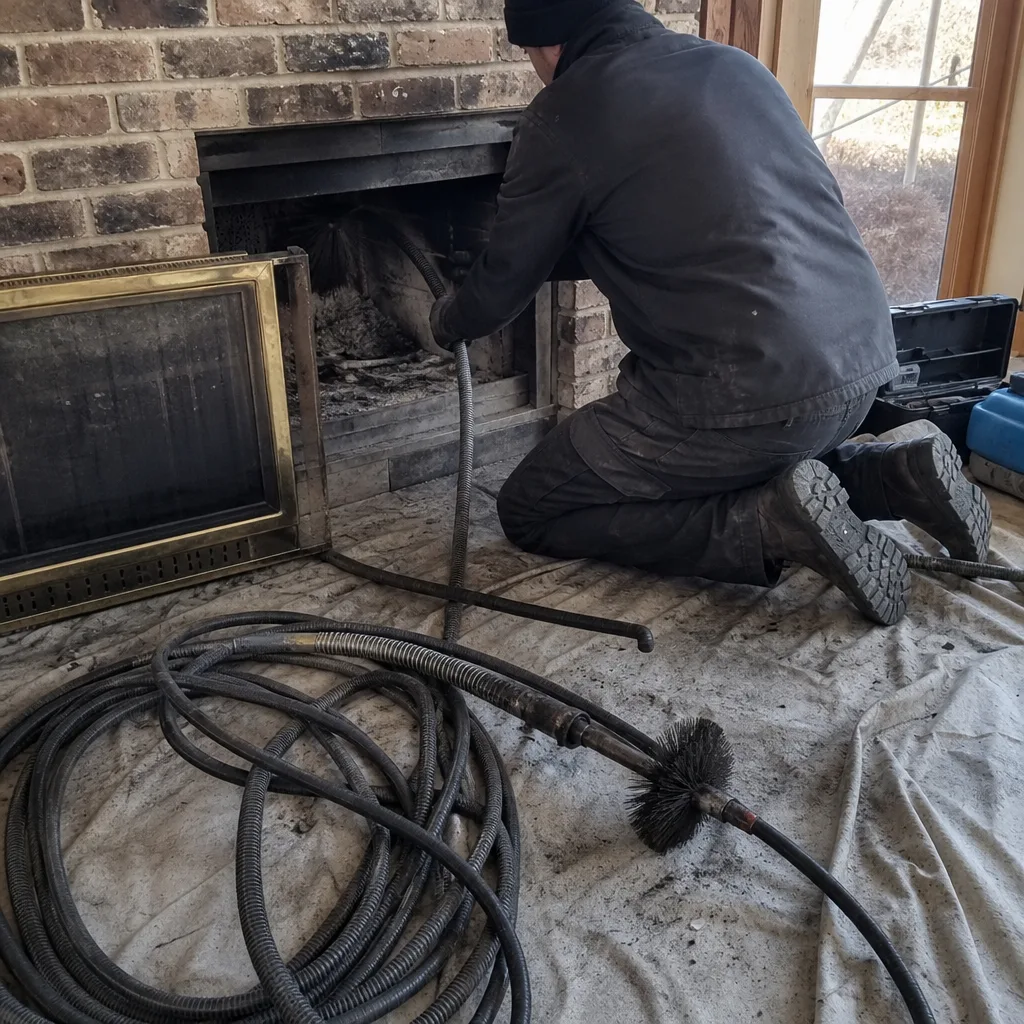 Before
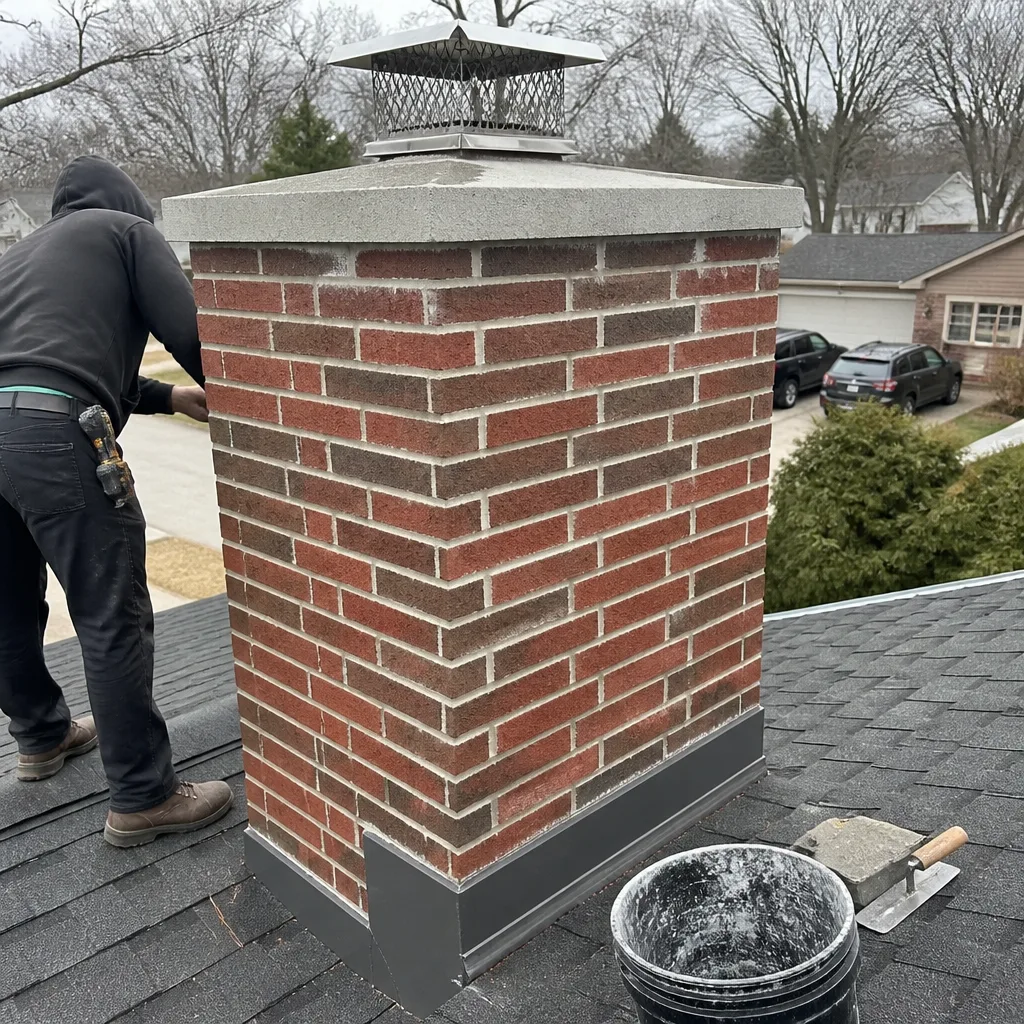 After
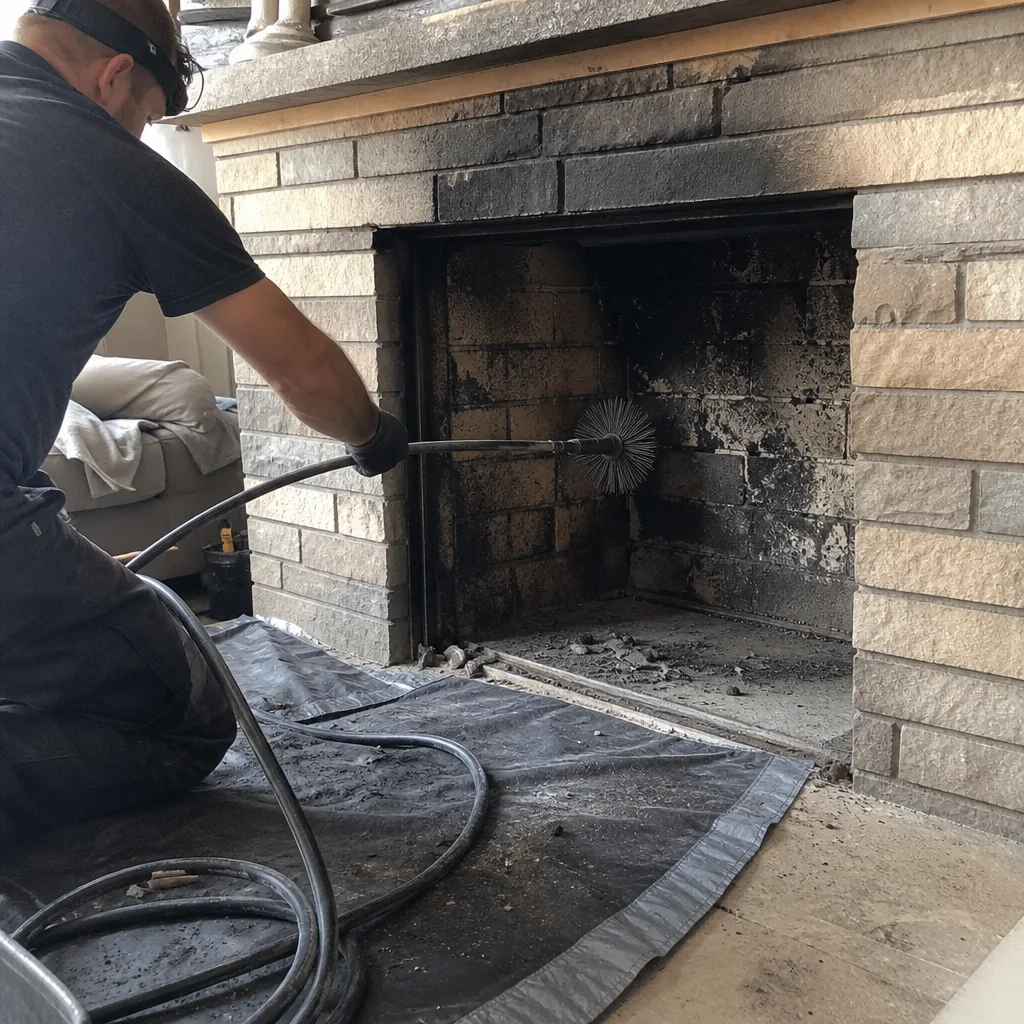 Before
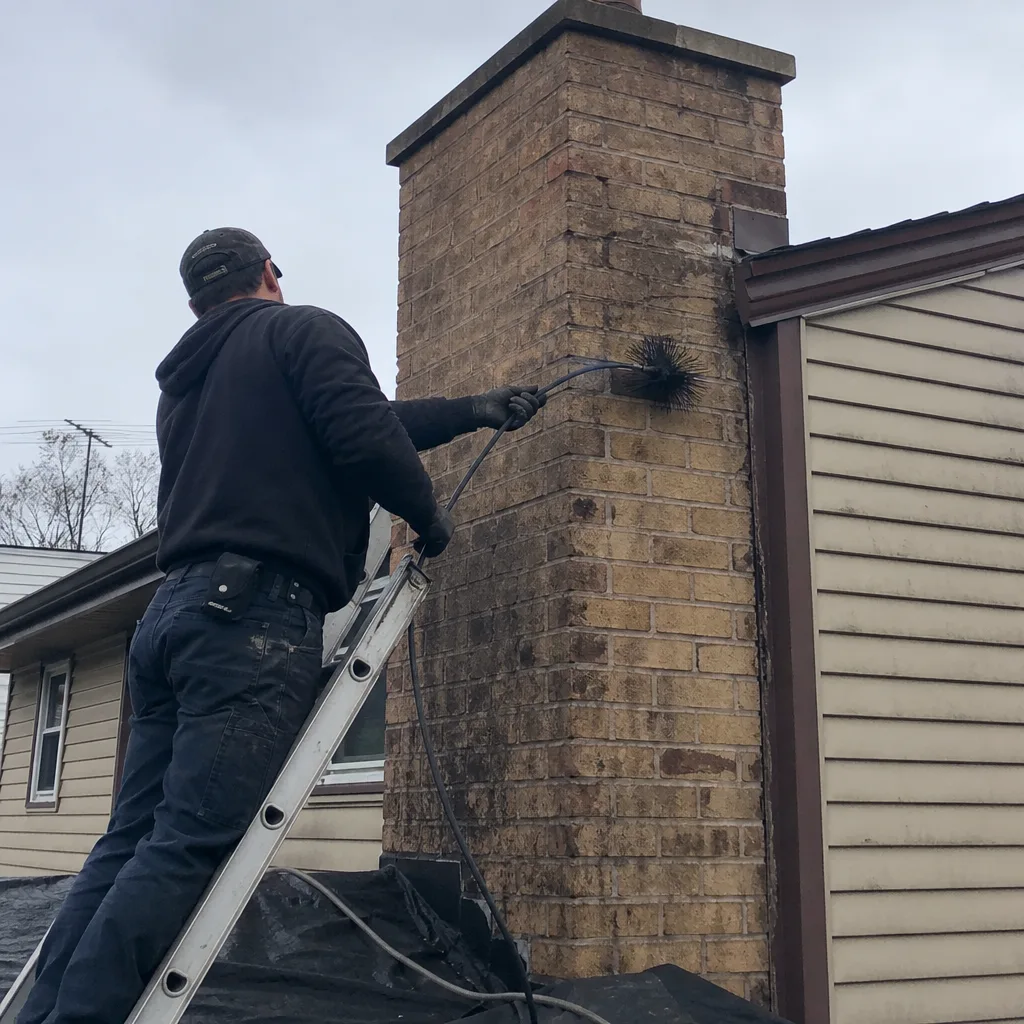
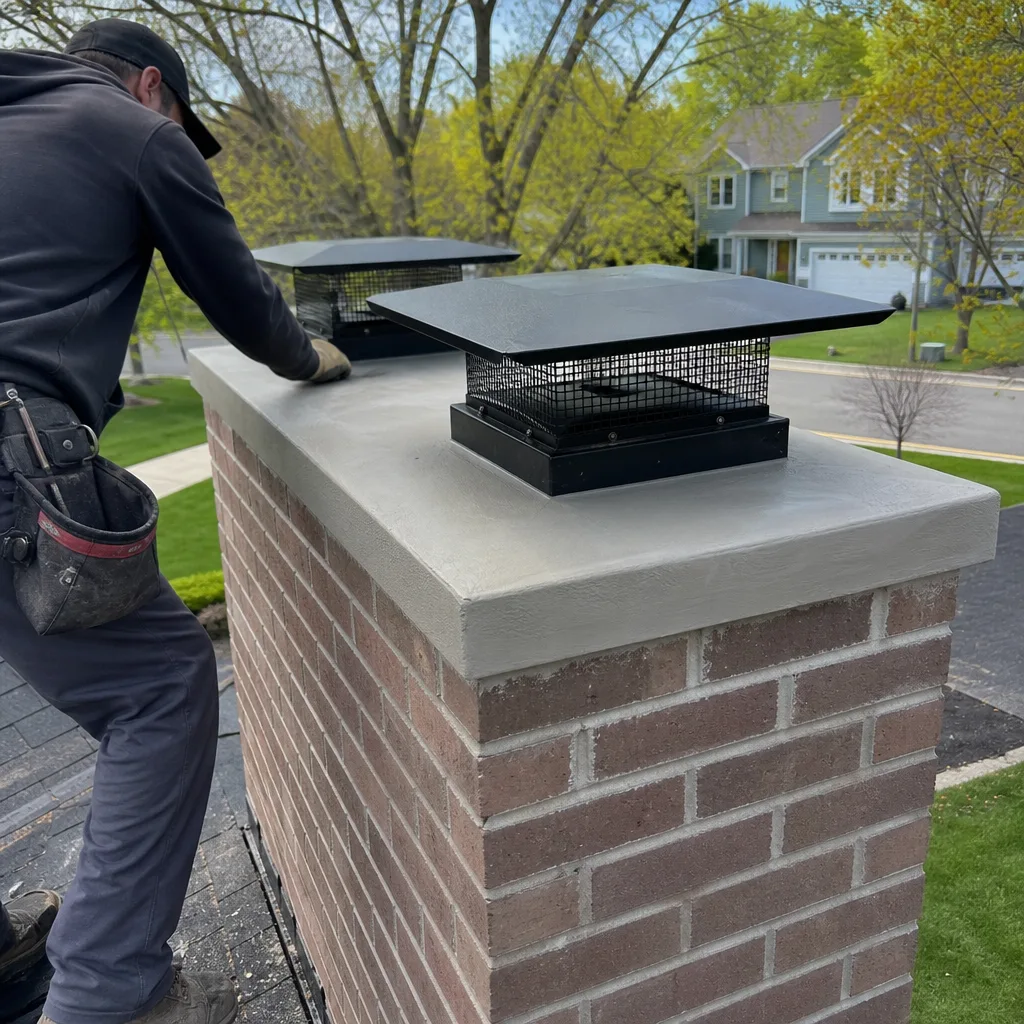
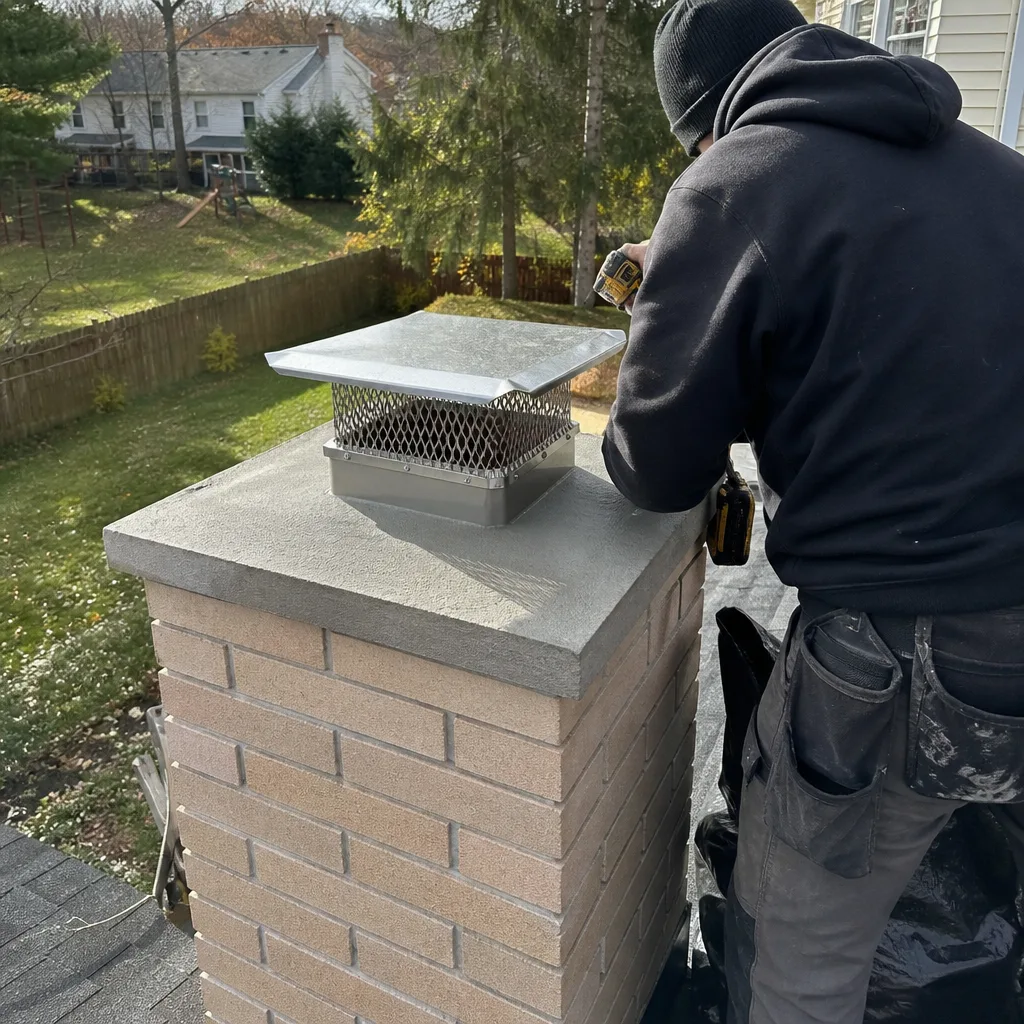 After
 Before
 After
When to Call a Professional
Here’s the honest answer: any time you’re not sure whether work needs a permit, call a professional who deals with the permitting process regularly. For more guides & resources on chimney care and compliance, visit our blog. That’s not a sales pitch. It’s the difference between a one-hour phone call and a six-week closing delay. Specific scenarios that warrant a call: you’ve been told your liner needs replacement and you want to confirm the permit scope; you’re selling a home and need a Level 2 inspection with documentation; you’re buying a home and the inspection report flagged the chimney; you had a chimney fire and haven’t had the flue checked since; or you did unpermitted work years ago and need to get it documented retroactively. Duke Chimney Sweep offers free estimates in Schaumburg, and we’ll tell you plainly what needs a permit and what can wait. Call (844) 660-6510.
Frequently Asked Questions
A standard chimney sweep in Schaumburg typically ranges from $180 to $350 depending on the level of creosote buildup, flue height, and whether animals or debris are present. A Level 2 inspection with camera scan adds another $150 to $300 in most cases. The price difference between a basic sweep and a sweep plus inspection is the documentation, and the documentation is worth it if you’re selling, buying, or haven’t had the chimney looked at in more than two years. Call (844) 660-6510 for an exact quote, estimates are free.
In most Illinois municipalities, including Schaumburg, yes, a liner replacement requires a building permit because it alters the exhaust pathway and triggers NFPA 211 compliance review. The permit is typically held by the contractor, and a final inspection verifies the liner is properly sized, connected, and terminated. Unpermitted liner work is a common cause of insurance claim disputes and resale complications. Call (844) 660-6510, and we’ll check the specific requirements for your jurisdiction.
NFPA 211, the standard Illinois inspectors reference, recommends annual inspection and sweeping as needed based on use. A home that burns a cord or more of wood per season in Schaumburg usually needs an annual sweep. Gas fireplaces can go longer between cleanings but still benefit from an annual visual check of the termination cap and damper. The point of the sweep is not just the creosote; it’s the inspection that happens during it. Call (844) 660-6510 to schedule.
The buyer’s home inspector may flag the chimney for a Level 2, which then becomes a negotiation point mid-transaction, often with a shorter timeline and less leverage for you than if you’d done it before listing. If the Level 2 finds unpermitted repair work from years back, the title company can delay closing while documentation is gathered. The cost of a pre-listing inspection is small compared to the carrying costs of a delayed sale. Call (844) 660-6510 to talk through what a pre-listing chimney package includes.
Yes, the Village of Schaumburg treats a crown rebuild as structural masonry work requiring a permit and final inspection. The permit verifies the crown is formed with the proper overhang, drip edge, and material, and that it restores the chimney’s weather protection. A crown patch with sealant does not qualify as a repair for this purpose. Call (844) 660-6510 if you’re unsure whether your crown needs a full rebuild or a legitimate resurfacing.
A Level 1 inspection is a visual check of the accessible portions of the chimney during a routine sweep. A Level 2 inspection adds camera scanning of the flue interior and access to the roof, attic, and crawlspace. Level 2 is required by NFPA 211 for real estate transactions, appliance changes, and post-fire or storm assessments. If a document from a chimney inspection will ever be shown to a building department, an insurer, or a buyer, it needs to be a Level 2. Dryer vent cleaning in Wheeling follows the same principle: documentation matters when something goes wrong.
The Bottom Line
Chimney cleaning in Illinois is permit-free. The repairs that cleaning uncovers are a different story, and the line between them is where homeowners get into trouble. If you’re only sweeping, you’re fine. If you’re relining, rebuilding, or converting fuel type, assume a permit until your municipality tells you otherwise. Document everything, keep the permit number, understand what Level 2 means, and don’t let anyone convince you that unpermitted structural work is “how everyone does it.” Everyone doesn’t, and the ones who do are the ones whose homes sit unsold. In Schaumburg, the rule is straightforward: clean freely, repair with paperwork. For more, start with Duke Chimney Sweep home.
Written by the team at Duke Chimney Sweep, serving Schaumburg since 2016.