
DuraFlex Chimney Sweep in Schaumburg: A Homeowner’s Guide
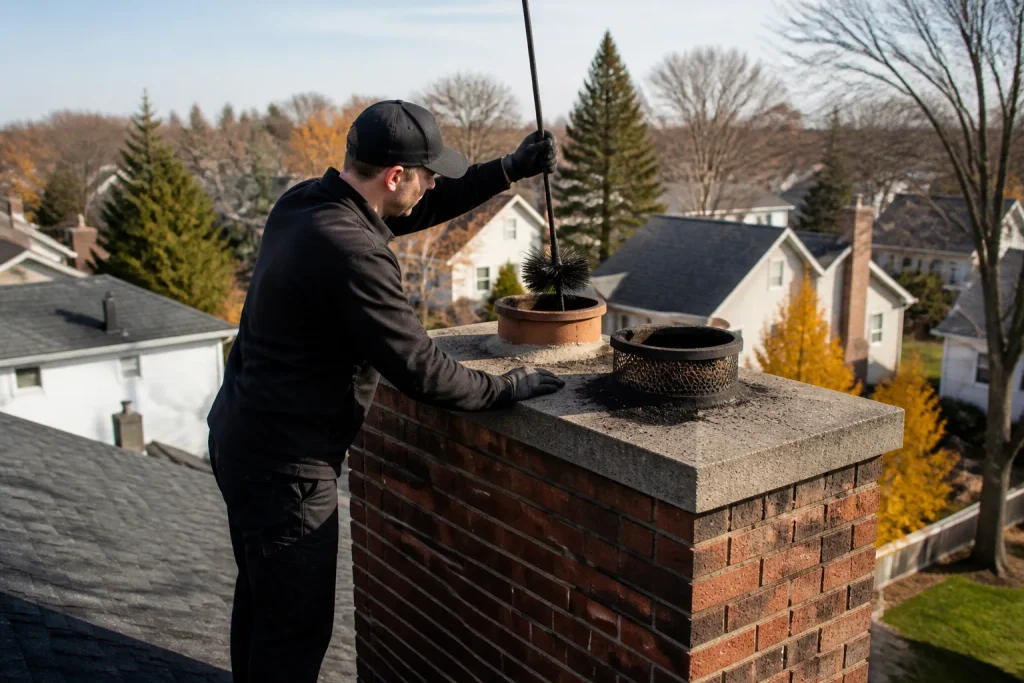
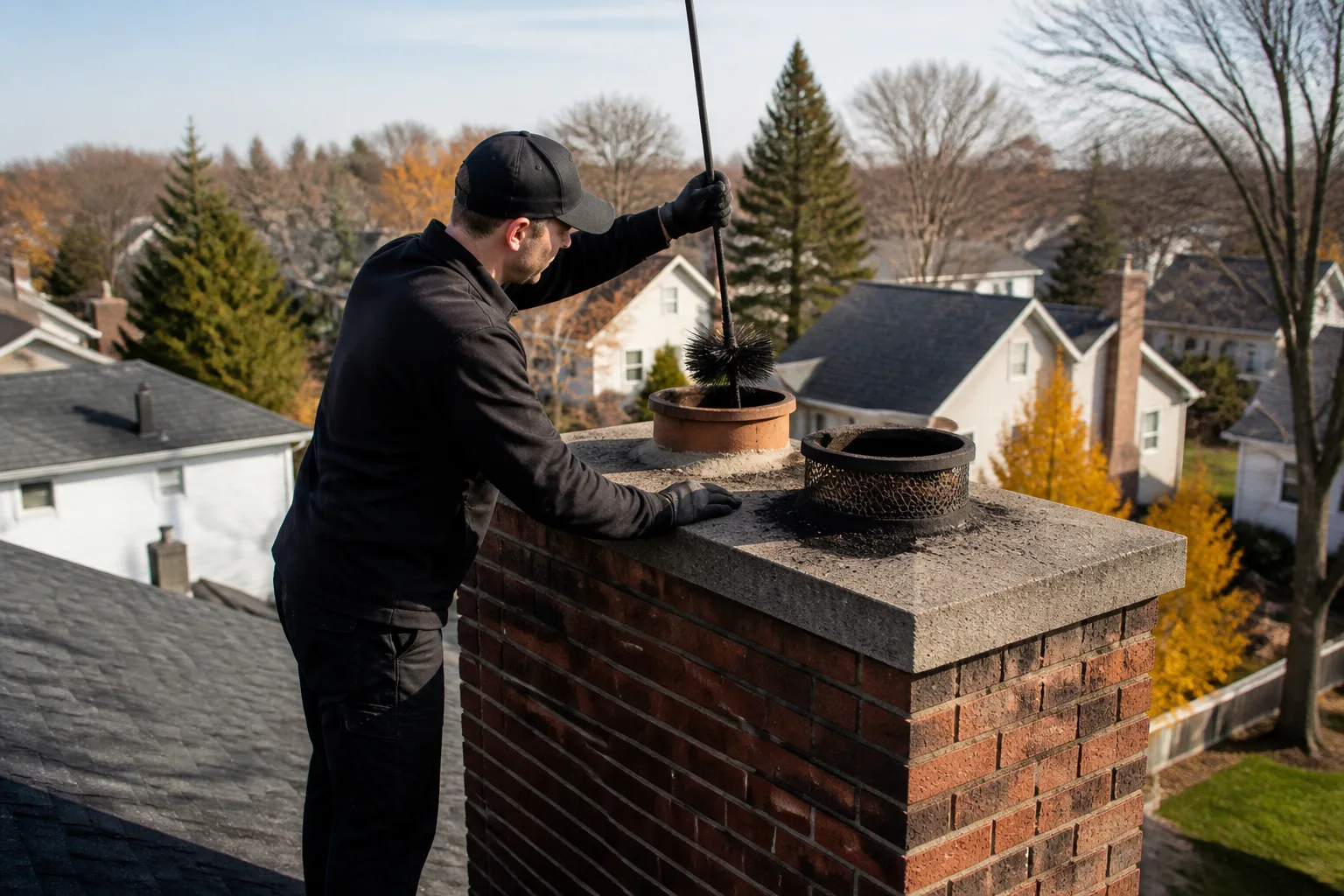
DuraFlex is a stainless steel chimney liner system that most Schaumburg homeowners will never hear about until a sweep points a camera up their flue and shows them cracked clay tiles. It’s the relining material specified by building contractors and chimney engineers, not the stuff sold at hardware stores. If you own an older home in Schaumburg, there’s a reasonable chance your chimney will need one eventually. Here’s what DuraFlex actually is, why the alloy grade matters more than the brand name, and what to ask before anyone feeds a liner down your stack. If you’d rather skip the homework, call Duke Chimney Sweep at (844) 660-6510 for an inspection and honest recommendation.
What Is DuraFlex and Why Does the Alloy Grade Matter?
DuraFlex is a flexible stainless steel liner manufactured specifically for chimney relining. What separates it from bargain flex pipe is the alloy: 316Ti stainless. The “Ti” stands for titanium, added to the steel to resist the corrosive condensate produced by high-efficiency gas appliances. This matters more in Schaumburg than most homeowners realize.
Here’s the thing. Older gas furnaces and water heaters ran hot enough that exhaust gases moved up and out before cooling into liquid. Modern high-efficiency units do the opposite. They extract so much heat that flue gases stay cooler, condense into an acidic slurry, and eat through standard stainless or aluminum liners in a few seasons. We’ve pulled cheap liners out of Schaumburg basement chimneys that looked like lace after three winters. A 316Ti alloy liner holds up because titanium stabilizes the metal against chloride corrosion. If a sweep quotes you a liner and can’t tell you the alloy grade, that’s a red flag worth paying attention to.
Copperfield and Gelco both make components that pair with DuraFlex installations, and we stock those because the termination caps and connector collars matter for a watertight, draft-tight system. But the alloy is the foundation. It’s the difference between a liner that lasts 20 years and one that needs replacement before you’ve paid off the invoice.
How to Verify a Liner Is Sized Correctly for Your Appliance
The most common mistake in chimney relining has nothing to do with the liner material itself. It’s sizing. A liner that’s too large for the connected appliance allows exhaust to cool too quickly, which kills draft and encourages condensation. A liner that’s too small creates dangerous backpressure. The relationship between an appliance’s BTU output and the liner diameter is simple math, and it gets ignored constantly by generalist installers who stock one or two diameters and make them fit.
You don’t need to become an engineer to ask the right questions. When someone proposes a liner for your Schaumburg home, ask:
- What’s the BTU input of the connected appliance, and what diameter does that require under current code?
- Does the existing flue need insulation wrap to maintain draft temperature through an Illinois winter?
- What’s the total vertical rise from appliance to termination, and does that affect the diameter calculation?
Here’s what we see regularly in Schaumburg’s older housing stock. Homes built in the 1960s and 70s often have masonry chimneys with flues sized for open fireplaces or old, inefficient furnaces. When a homeowner upgrades to a modern furnace with a smaller BTU output, that oversized flue becomes a liability. The fix isn’t always just dropping in a liner. Sometimes the liner needs an insulation wrap to keep flue gases warm enough to maintain draft on cold January mornings. A properly specified DuraFlex system accounts for that. A cheap flex liner sold by someone who doesn’t ask about your appliance never will.
A correctly sized, insulated liner also changes the math on chimney sweeping frequency. A smooth stainless wall accumulates creosote differently than rough clay tile, but it still needs regular inspection. Not because the liner will fail suddenly, but because the sweep verifies the system is still doing what it was specified to do.
What a Proper DuraFlex Installation Actually Includes
A liner system is more than a long tube of stainless steel. If your quote only lists the liner, you’re not getting the full picture of what a durable installation requires.
A complete DuraFlex installation in a Schaumburg chimney typically includes:
- The flexible liner body, cut to the exact length of your flue
- A termination cap sized to shed rain and block animal entry while preserving draft
- A connector collar at the appliance end, properly sealed to prevent flue gas leakage into the home
- Insulation wrap where the flue geometry or appliance type calls for it
- Proper support at the top of the chimney so the liner doesn’t hang from the cap
Each component affects system longevity differently. The termination cap keeps Illinois rain and snow out of the flue, preventing the freeze-thaw damage that cracks masonry from the inside. The connector collar is where carbon monoxide leaks happen if someone uses cheap sealant or skips the gasket. The insulation wrap isn’t optional for every install, but when it’s required and omitted, the liner will underperform in cold weather and trap condensation against the liner wall.
We’ve worked on chimneys across Schaumburg where the liner itself was serviceable, but the cap was corroded through or the connector had been installed with the wrong hardware. The liner looked fine. The system was failing. “The work shows in the details” isn’t a slogan for us. It’s what keeps a chimney safe year after year.
What happens when you call
- 1
A real person answersNo phone trees — you reach a local pro.
- 2
You get an upfront price rangeHonest numbers before anyone is dispatched.
- 3
A background-checked tech heads outLicensed & insured, dispatched right away.
- 4
You approve before work beginsNothing starts until you say go.
DuraFlex vs. Cheap Flex Liner: Real Cost-Per-Year Math
Sticker price is a terrible way to compare chimney liners. A budget flex liner might save you a few hundred dollars up front, but if it fails in seven years instead of twenty, you’ll pay for it twice plus the labor of a second installation. In Schaumburg, where chimney work happens on older masonry that’s often tricky to access, labor is the expensive part.
Let’s do honest math. Say a cheap liner installation costs $1,800 and lasts seven years. That’s about $257 per year. A DuraFlex system might cost $2,800 but serve 20 years or more. That’s $140 per year. The more expensive liner is cheaper by nearly half, and it doesn’t put your family through a second construction project. The cheap option was never cheap.
That math holds for Schaumburg specifically because our climate accelerates liner wear. Freeze-thaw cycles stress the termination and connector. Cold winters mean more condensation unless the liner is sized and insulated correctly. A suburban homeowner in a mild climate might get ten years out of a low-grade liner. In the Chicago suburbs, that same liner might be done in five.
When we spec liners, we’re thinking in decades. The goal is to put the liner in once, maintain it properly, and not have the homeowner think about it again until their kids inherit the house. “Built for the long run” means something concrete here. It means alloy grade, correct diameter, proper insulation, and hardware that doesn’t corrode.
When a Liner Makes Sense vs. When It Can Wait
Not every chimney with failing clay tiles needs a liner immediately. Some need a sweep first, just to see what’s actually there. Some qualify for a less invasive option. This is where a camera inspection earns its cost.
Here’s how we think about it when we inspect a Schaumburg chimney. If a camera shows cracked or spalled clay tiles but the chimney is structurally sound and only serving an occasional wood-burning fireplace, the conversation starts with what the homeowner actually uses the chimney for. A fire or two per year in a fireplace that’s not leaking combustion gases into the house may not justify the full relining cost right now. Document it, monitor it, budget for it.
If the chimney vents a furnace or water heater, the standard shifts. Combustion gases from gas appliances contain carbon monoxide. A cracked flue tile that lets those gases drift into a wall cavity is a health risk, not a maintenance item. That’s when a DuraFlex liner moves from “eventually” to “this season.” The same goes for a wood-burning fireplace used heavily. Creosote accumulating in gaps between cracked tiles fuels chimney fires that can spread into the house structure.
We also consider HeatShield resurfacing in cases where the damage is contained. HeatShield is a certified flue resurfacing system that restores the interior wall of an existing flue without full teardown. It’s not the right answer for every chimney, but when it fits, it preserves the original masonry and costs significantly less than full reconstruction. The point is that relining isn’t the only tool, and a good sweep will tell you when a cheaper, less invasive fix is the right call. That’s the “restore before you replace” philosophy that guides our recommendations.
The Bottom Line
DuraFlex’s 316Ti stainless alloy exists to solve a problem most Schaumburg homeowners don’t know they have: modern appliances running cooler flue gases that corrode standard liners. A properly specified and installed system, correct diameter for your BTU output, insulation where needed, quality termination and connection hardware, will outlast a cheap flex liner by decades and cost less per year over its life. The key is asking the right questions before the liner goes in. If the person quoting the job can’t explain alloy grade and sizing math, you’re not talking to a chimney specialist.
If you’re in Schaumburg and want a straight answer about whether your chimney needs a liner, what type, and what it’ll cost, call Duke Chimney Sweep at (844) 660-6510 for a free estimate. We inspect first, show you the camera footage, and never recommend work the chimney doesn’t actually need.
Frequently Asked Questions
How much does a DuraFlex chimney liner cost in Schaumburg? A complete DuraFlex liner installation in Schaumburg typically runs between $2,500 and $4,500 depending on flue length, diameter, accessibility, and whether insulation wrap is required. The liner material itself is only part of that cost. Labor, termination hardware, and any masonry prep work account for the rest. Call (844) 660-6510 for an exact quote after an inspection.
How long does a DuraFlex liner last? A properly installed DuraFlex liner with a 316Ti alloy body typically lasts 20 years or more, assuming the connected appliance is correctly sized and the chimney is swept on a regular schedule. Cheap flex liners in Schaumburg’s cold, damp climate often fail in five to seven years because of acidic condensation eating through lower-grade steel.
Do I need my chimney swept before installing a DuraFlex liner? Yes, and for a specific reason. The existing flue must be cleaned thoroughly before a liner goes in so that no creosote or debris remains behind the new liner. That leftover material can insulate heat against the masonry, and in a chimney fire scenario, becomes fuel. Any reputable relining job starts with a sweep.
Is a DuraFlex liner safe for a wood-burning fireplace? Yes. DuraFlex is rated for wood-burning applications when sized correctly for the fireplace’s opening and flue requirements. The same 316Ti alloy that resists gas appliance condensate also performs well with the higher flue temperatures of wood fires. The installation still needs regular sweeping. A stainless liner doesn’t eliminate creosote production; it just gives creosote a smoother surface to accumulate on.
Can you install a DuraFlex liner in an older Schaumburg home with an irregular flue? That’s one of the primary reasons flexible liner systems exist. Older Schaumburg homes often have masonry flues with offsets, bumps, or slightly irregular dimensions that would make rigid liner sections impossible to fit without major demolition. DuraFlex’s flexibility allows it to negotiate those irregularities while still providing a continuous, gas-tight passage from appliance to termination.
Want to learn more about our approach? Visit the Duke Chimney Sweep home page for an overview of our full venting system services. If you’re nearby in the northwest suburbs, see Chimney Sweep in Wheeling. We also handle Dryer Vent Cleaning in Wheeling and Chimney Repair in Wheeling for homes across the area.
Written by the team at Duke Chimney Sweep, serving Schaumburg since 2016.
Need Chimney Cleaning Help?
Call Duke Chimney Sweep — licensed & insured, here with fast after-hours help in Schaumburg.
(844) 660-6510