
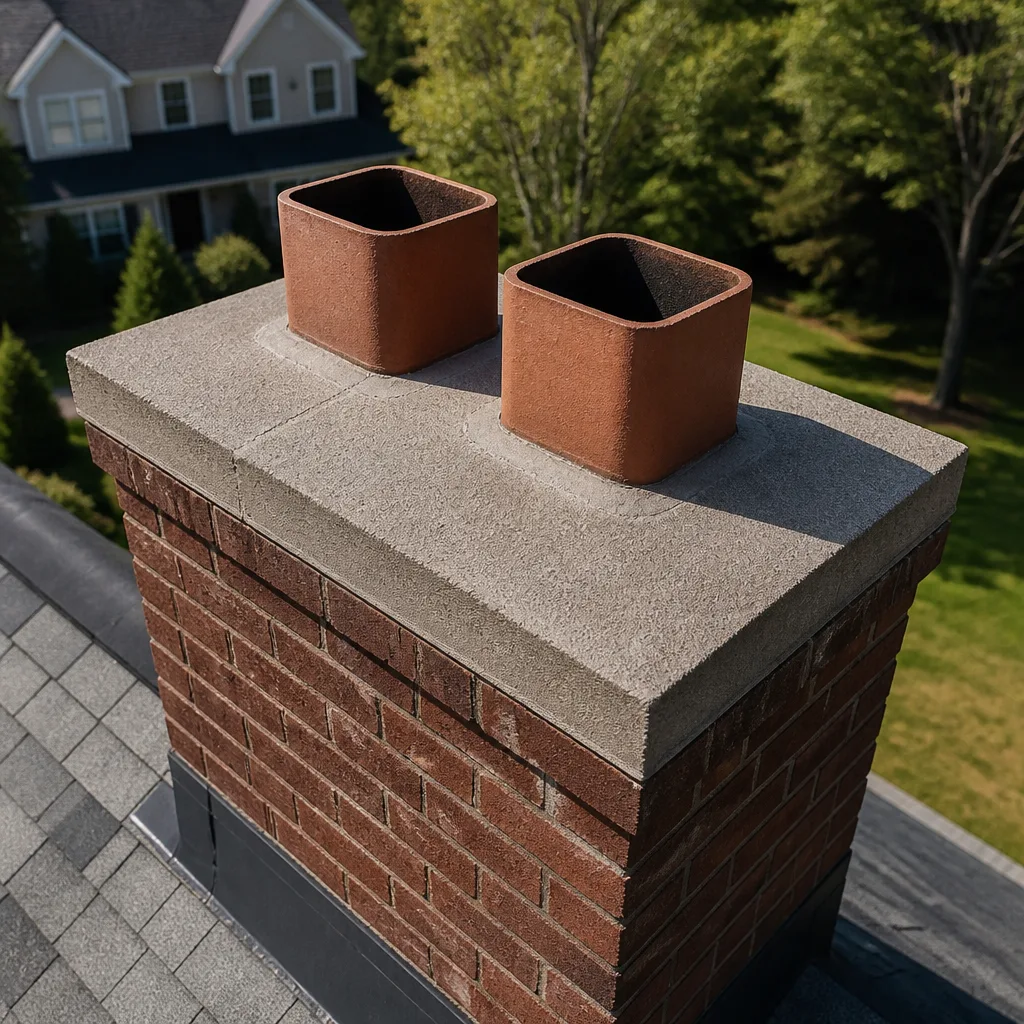
 Sweep & inspection
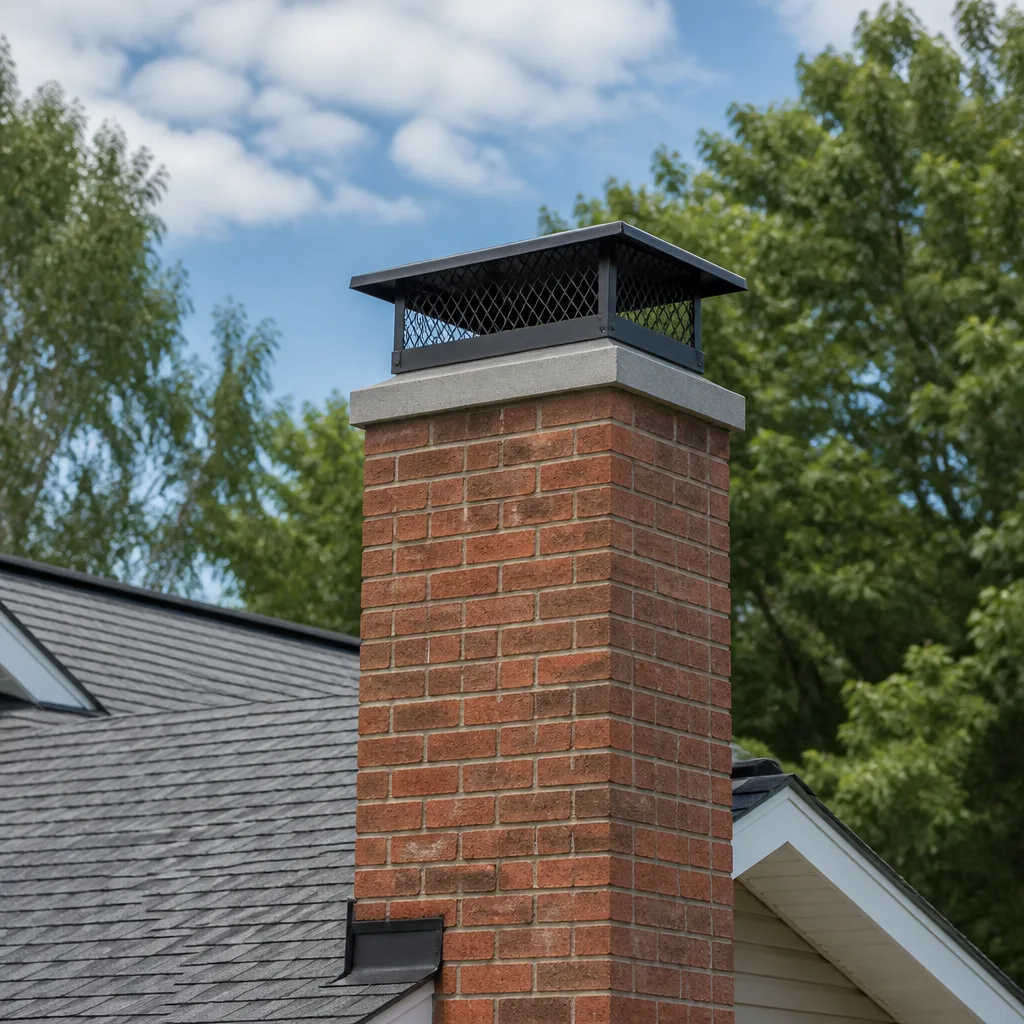 Caps & crowns
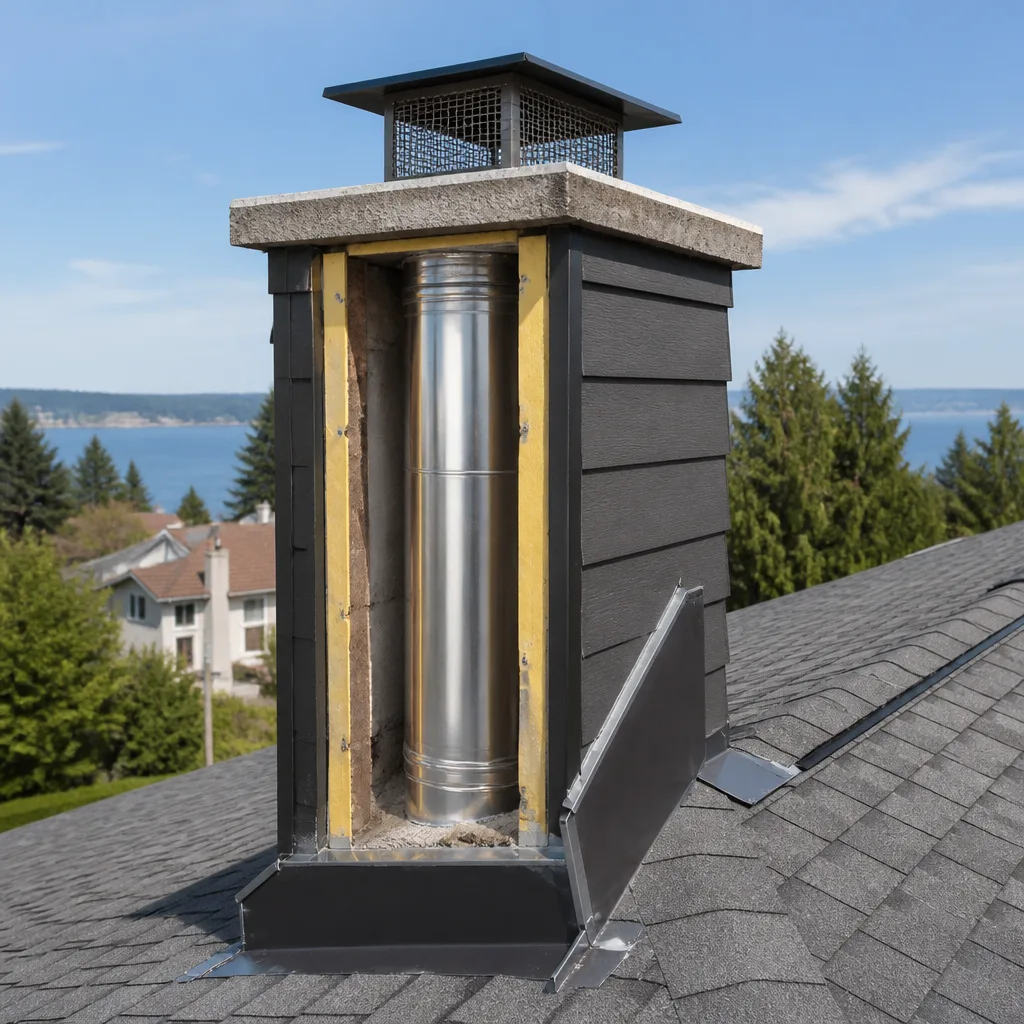 Flue relining
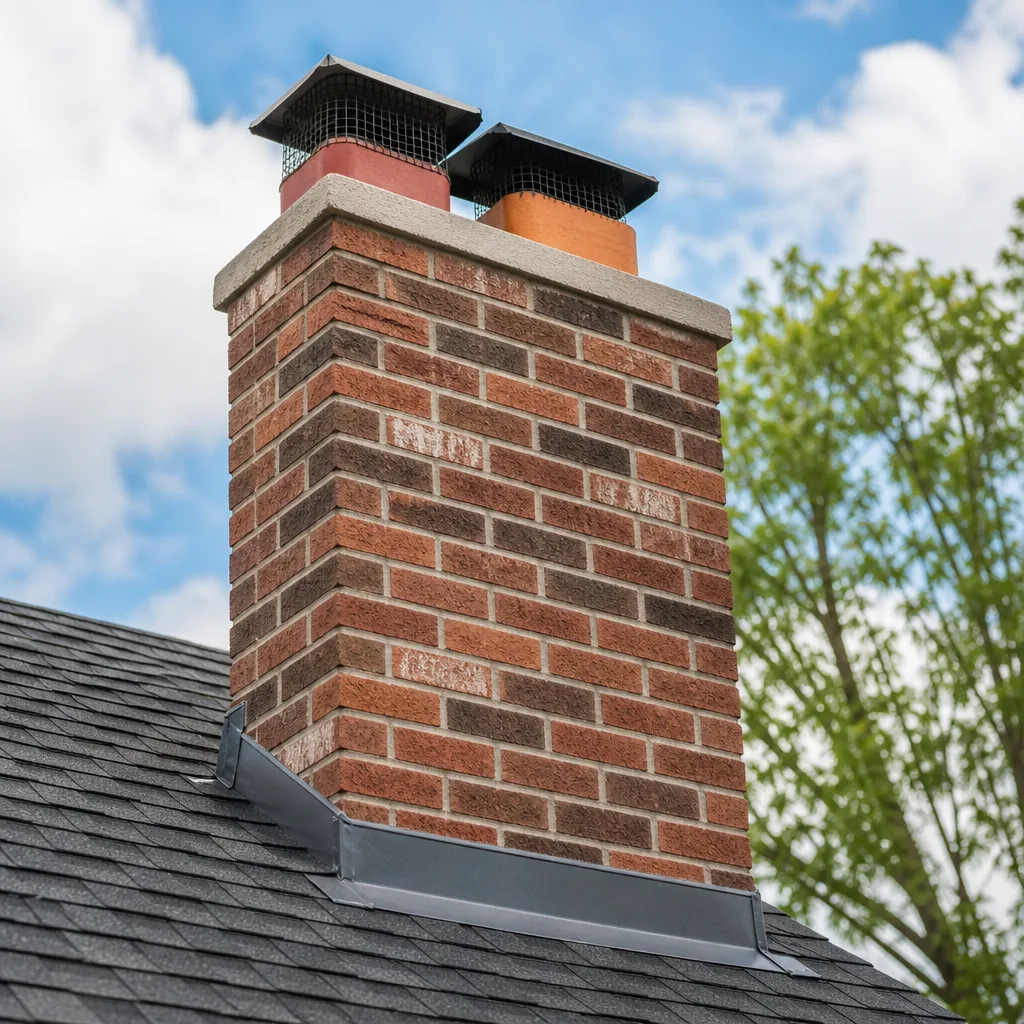 Masonry repair
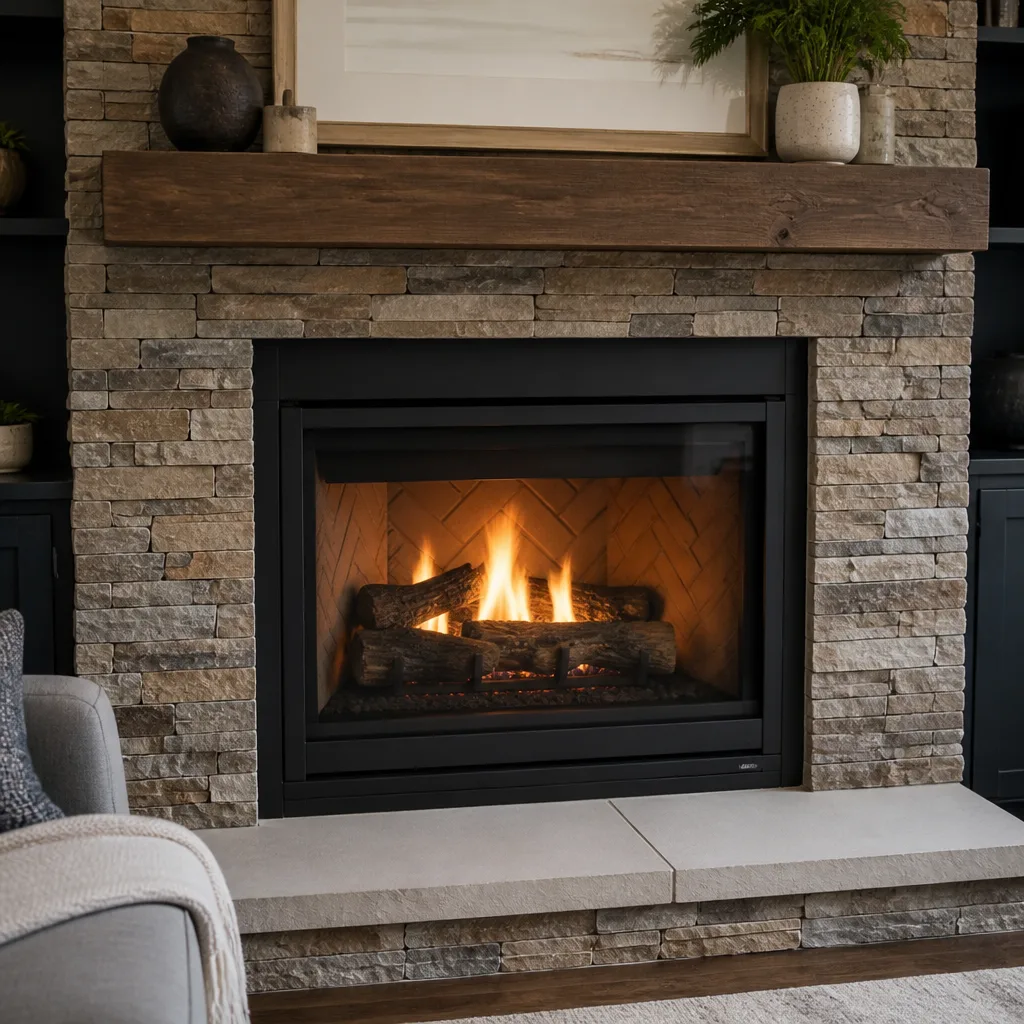 Gas fireplace service
Level 1 sweep and inspection to the NFPA 211 annual standard - flue, crown, cap, and flashing checked and photographed
Chimney sweep logs do not sweep chimneys. They loosen some creosote - which then falls where a brush and vacuum still have to collect it.
Why Schaumburg Homeowners Choose HeatShield Chimney Cleaning
We provide HeatShield in Schaumburg with independent chimney cleaning and repair service across the area, working on cast-in-place liners, CeCure sleeves, and resurfaced flues in the town’s 1960s-to-2000s housing stock. Most of what we see in Schaumburg aren’t century-old masonry stacks but prefabricated fireboxes and chase-enclosed flues where a HeatShield liner was installed decades ago and has since collected creosote, cracked at the smoke chamber transition, or started delaminating. Our difference is that we read HeatShield liners the way a specialist should: camera-first, repair-before-replace, and straight with you about what’s actually failing. We are an independent HeatShield service provider, not a factory-authorized shop, so our recommendation follows your flue’s condition, not a product quota. Call (844) 660-6510 to book an inspection.
Why Trust Duke Chimney Sweep for Your HeatShield Chimney Cleaning?
HeatShield liners fail in specific, predictable ways, and a general chimney sweep who doesn’t work with these systems regularly will miss the early signs. We see coating delamination at the smoke chamber transition, hairline cracks in cast-in-place refractory, and CeCure sleeve joints that chip when a brush gets worked too aggressively. That’s the difference between a sweep who cleans and a company that diagnoses. Our techs are trained to run a camera before and after every HeatShield service, so you see the flue condition with your own eyes, not just our word for it.
Rob Szymanowski grew up in Wheeling and cut his teeth on chimneys and dryer vents across Cook and Lake counties before founding Duke Chimney Sweep. He learned the mechanical and safety fundamentals through the HVAC and building systems program at Harper College in Palatine, then spent years working the exact housing stock Schaumburg is built on: 1970s and 80s tract homes where the fireplace was installed for looks and rarely used. That same expertise extends to Hoffman Estates HeatShield service on similar homes. That background matters here because a HeatShield liner in a never-used fireplace fails differently than one in a working wood burner. Rob’s approach is simple: “Tell me what you’re seeing, and I’ll tell you what it actually means.” We treat HeatShield as one tool in an independent repair kit, which means our answer to a failing liner isn’t always the manufacturer’s answer. It’s the honest one.
Styles & brands we work with
Common HeatShield Chimney Cleaning Problems We Fix in Schaumburg
- Cast-in-place liner cracking at the flue transition and smoke chamber. HeatShield’s original cast-in-place insulating liner is poured as a continuous refractory, but the transition point where the flue meets the smoke chamber takes the most thermal abuse. After enough heating and cooling cycles, the coating develops hairline cracks that widen over time. Schaumburg’s freeze-thaw winters accelerate this because any moisture that finds its way into those cracks expands when it freezes. We find this on a lot of 1980s and 90s wood-burning fireplaces in the subdivisions east of Roselle Road.
- Resurfacing coating flaking off glazed or dirty clay tile. When a HeatShield resurfacing coat was applied over clay tile that wasn’t properly prepped – glazed, dirty, or already cracked – the ceramic coating doesn’t bond. Those areas start flaking within a few seasons, leaving exposed tile and creosote accumulating at the seams. We’ve pulled entire sheets of delaminated coating out of flues in Schaumburg homes where the original install was done by a contractor who skipped surface prep. The telltale sign is a chalky white or gray residue in the firebox after a burn.
- CeCure Sleeve refractory joints chipping during aggressive sweeps. The HeatShield CeCure Sleeve pairs a pre-formed stainless liner with cast refractory. The refractory joints between sections are durable but not indestructible. Run a steel brush through too aggressively, and you’ll chip those joints, creating voids where creosote lodges and moisture works its way behind the refractory. We hand-clean around CeCure joints and use poly brushes sized to the liner rather than forcing a steel brush through. If a previous sweep already chipped the joints, we can patch them with heat-cured refractory mortar before they get worse.
- Water intrusion around the crown or top plate degrading the ceramic coating. In Schaumburg, spring rain and summer humidity push moisture through cracked crowns and compromised top plates. That water wicks down the HeatShield liner and degrades the ceramic coating from the inside, often showing up as a flaking surface near the top of the flue or a damp, musty smell from the fireplace in spring. We inspect the crown on every HeatShield service call because a crown repair is frequently the fix that prevents a liner failure.
- Glazed creosote buildup requiring careful removal. HeatShield’s ceramic surface is smoother than raw clay tile, which is generally good for draft, but it still collects creosote under the right conditions. In Schaumburg, where many fireplaces in 1970s and 80s tract homes were never the primary heat source and go years between fires, the first burn after a long dormancy often produces a dense, glazed creosote layer. Glazed creosote is hard and shiny, and it can hide delamination beneath it. We remove it with chemical treatments and careful hand-cleaning rather than aggressive mechanical action that could damage the coating underneath.
HeatShield Parts & Our Repair-vs-Replace Approach
We stock HeatShield-branded refractory and liner materials for matching original installations, and when a factory line is discontinued or a partial repair makes more sense than a full rebuild, we use quality equivalent aftermarket coatings and stainless liner components. The key distinction is knowing which material belongs where. A cast-in-place liner that’s crackled across the top third but solid below can often be patched and re-coated rather than replaced. A resurfacing coat that’s delaminating across the entire flue isn’t worth re-coating; the bond is compromised and putting new material over a failing substrate just delays the inevitable. We’ll tell you plainly which category your HeatShield flue falls into, and we’ll show you the camera footage to back it up. If your liner has failed enough that a new system is the honest call, we’ll say so and walk you through what that actually costs in Schaumburg, not what it costs in a brochure.
Our HeatShield Service Process – Step by Step
- 1
Diagnosis with camera documentation. We run a Level 2 inspection with a camera before we touch anything. On a HeatShield flue, we’re looking specifically for coating delamination, cracks at the smoke chamber transition, CeCure joint integrity, and moisture staining that signals a crown or top plate problem. Every homeowner gets a photo record, so you see what we see.
- 2
Careful cleaning matched to your liner type. We clean HeatShield liners with the right brush for the job: poly brushes on CeCure sleeves and delicate coating surfaces, chemical treatment followed by hand-cleaning for glazed creosote, and a methodical pace around joints and transitions. No aggressive steel brushing on refractory surfaces.
- 3
Targeted repair where it’s warranted. If we find delamination, cracked refractory, or damaged CeCure joints, we repair the affected section rather than defaulting to a full reline. That means heat-cured refractory patch work, re-coating with HeatShield-compatible material, or crown and top plate sealing when water intrusion is the root cause.
- 4
Post-service camera verification and test burn. After the service, we re-run the camera to confirm the flue is clean and the repairs are solid, then do a test burn if the system is operable. We also leave you with a record of the service and any recommendations for the next season, so there’s no mystery about what was done or why.
See the difference
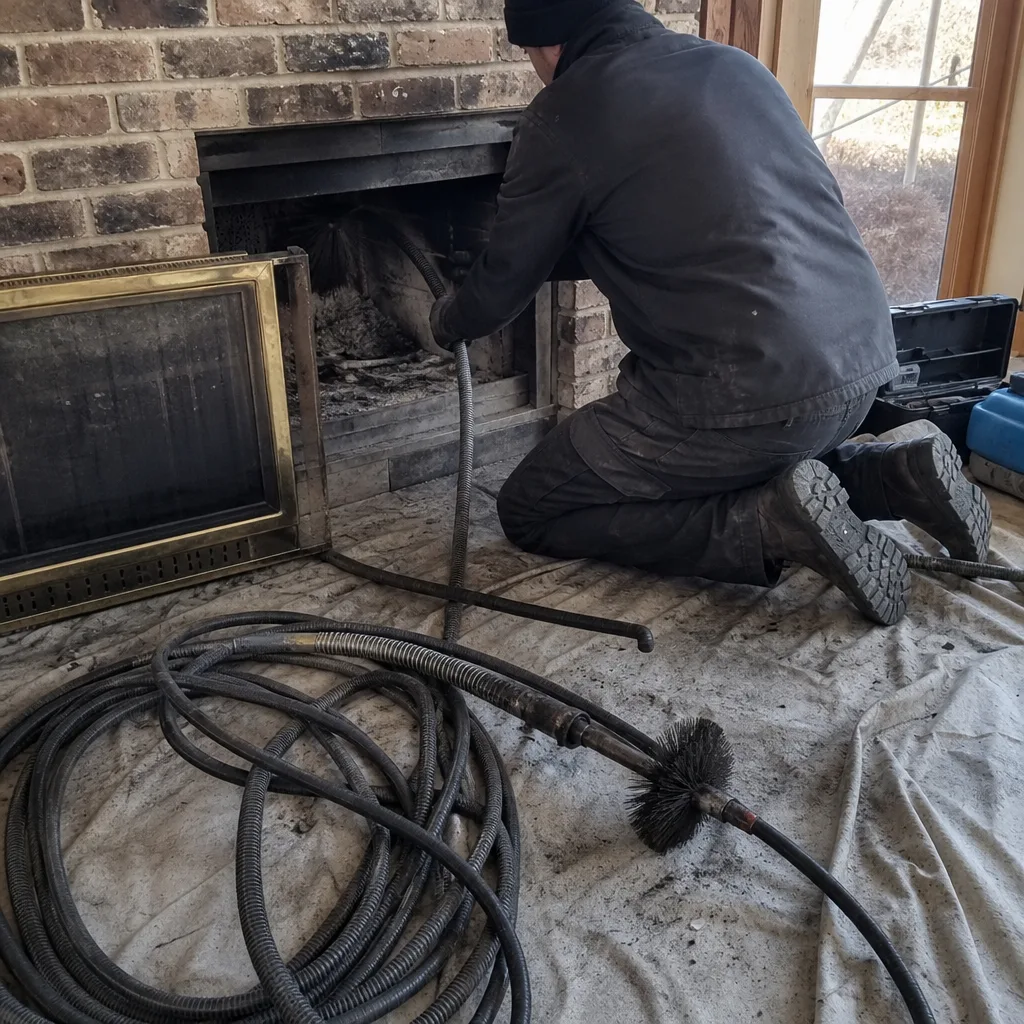 Before
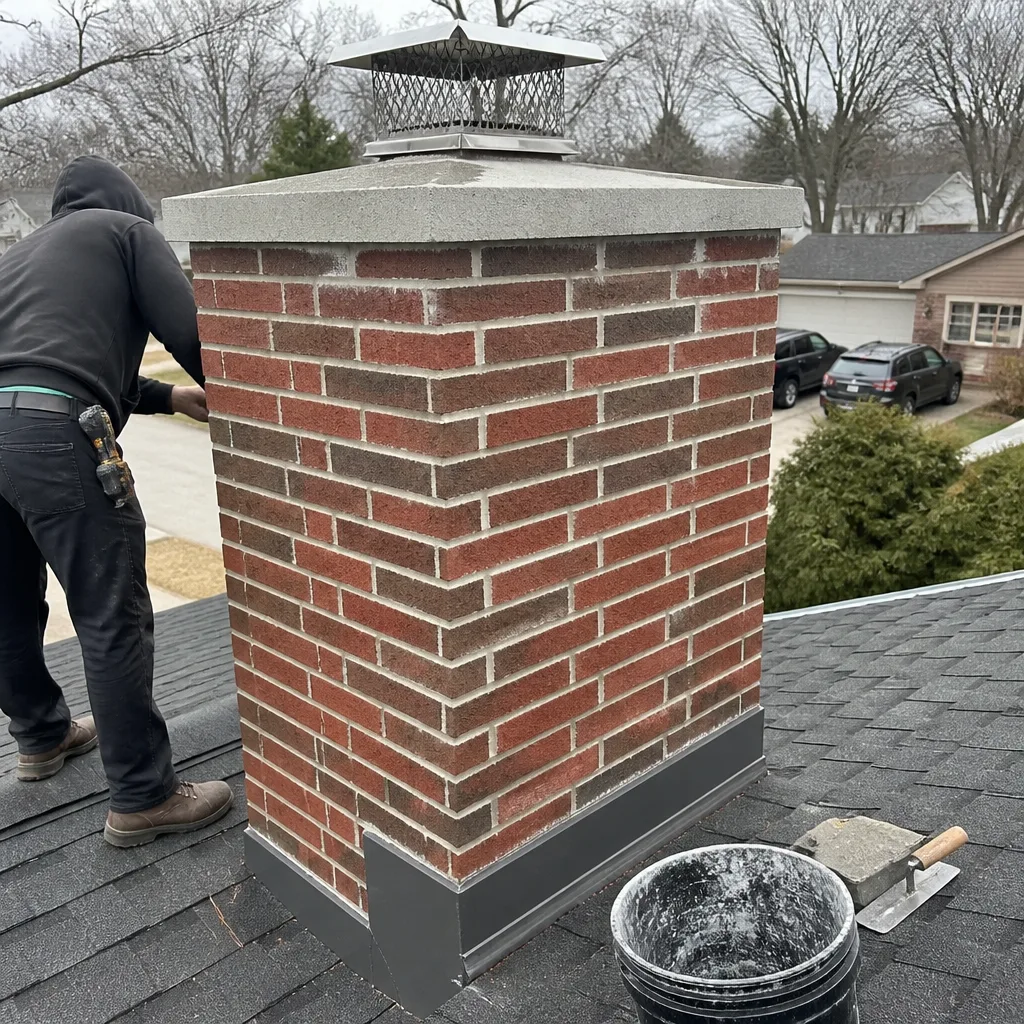 After
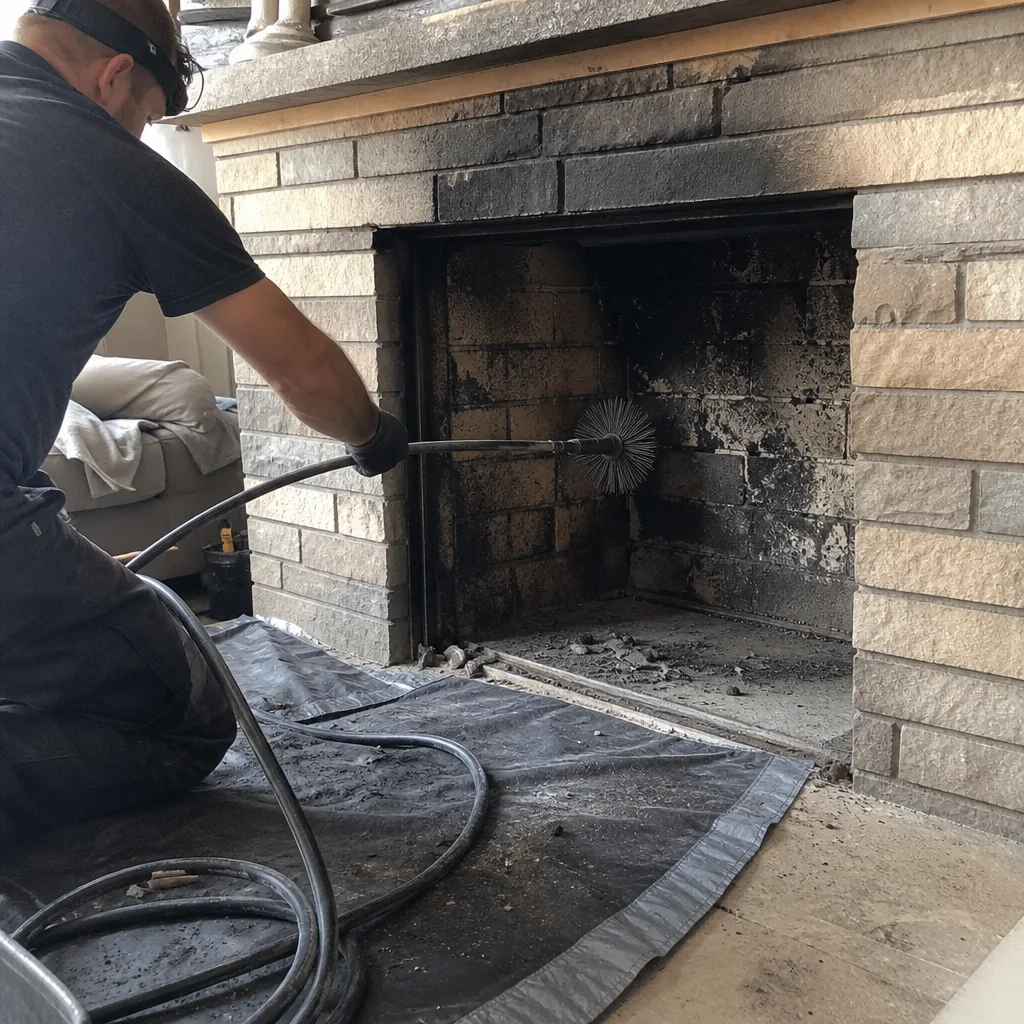 Before
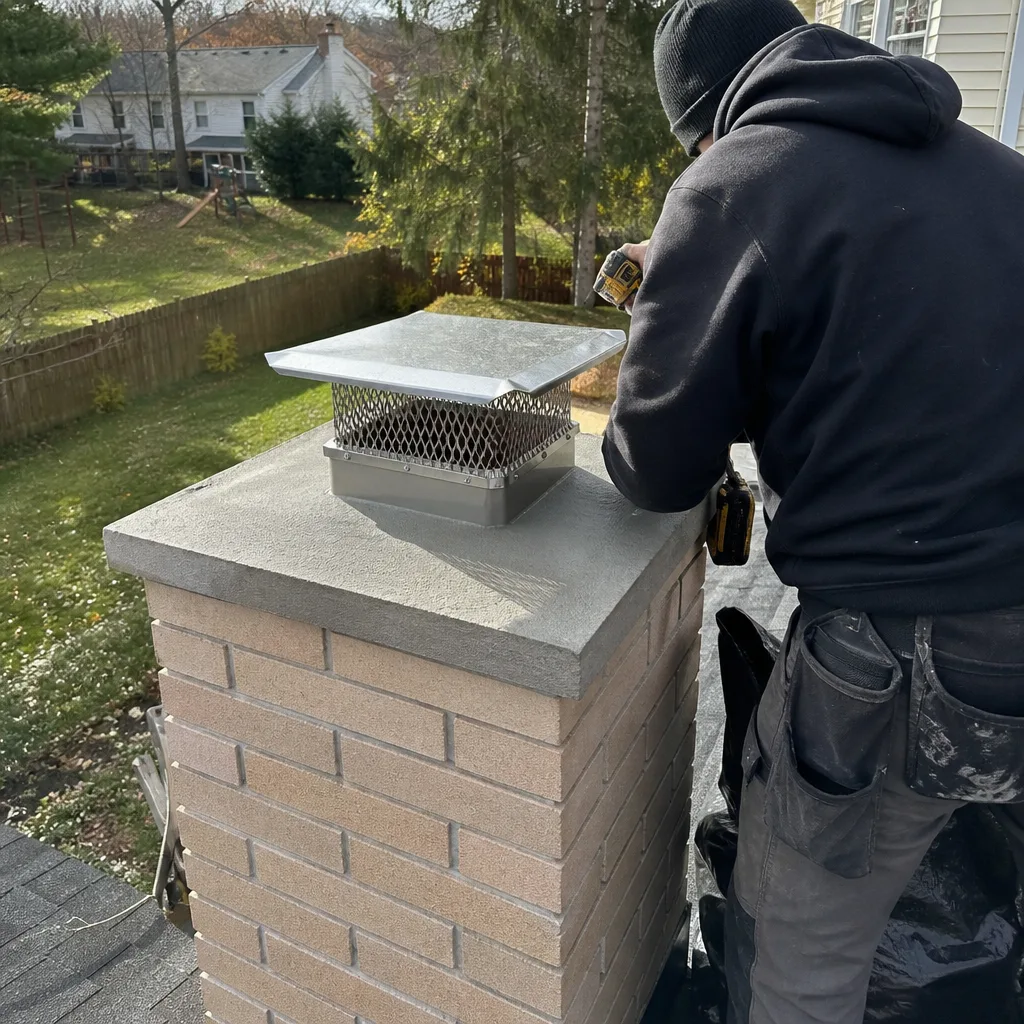 After
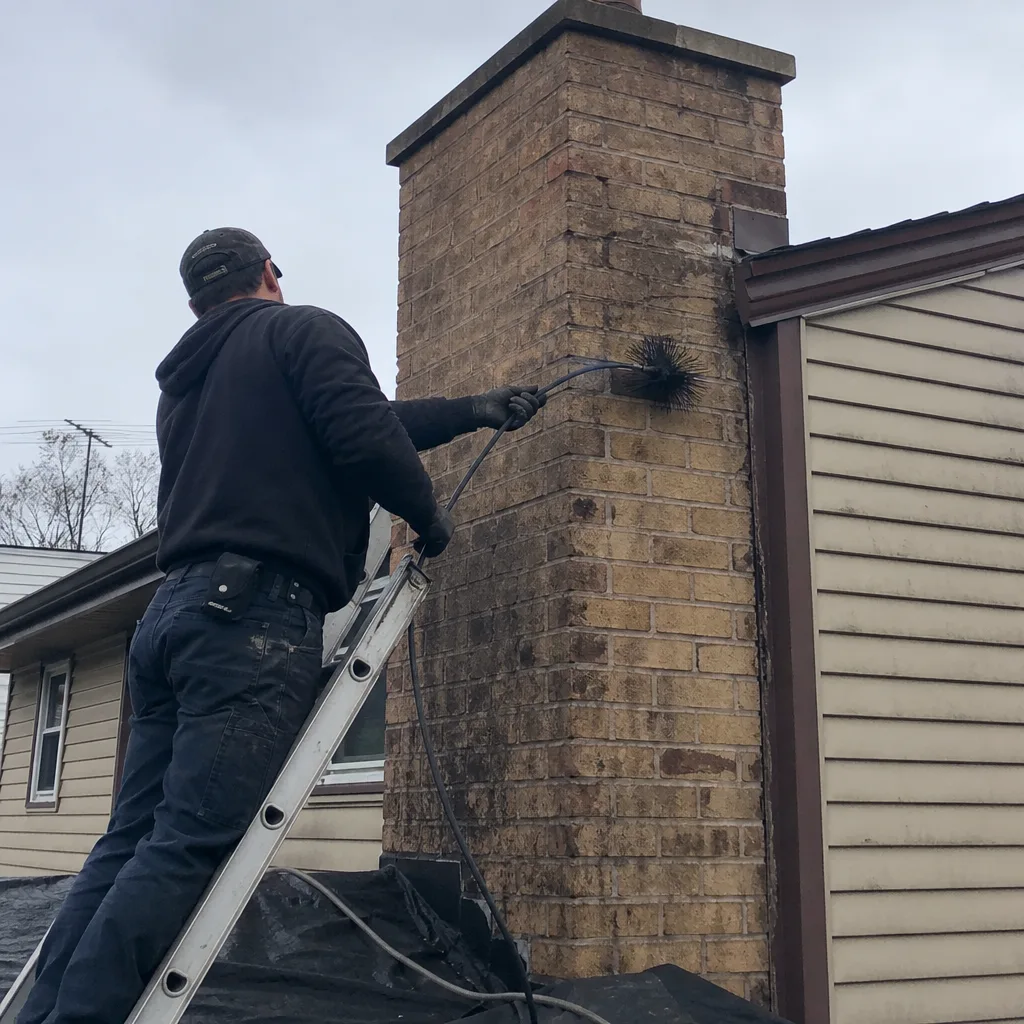 Before
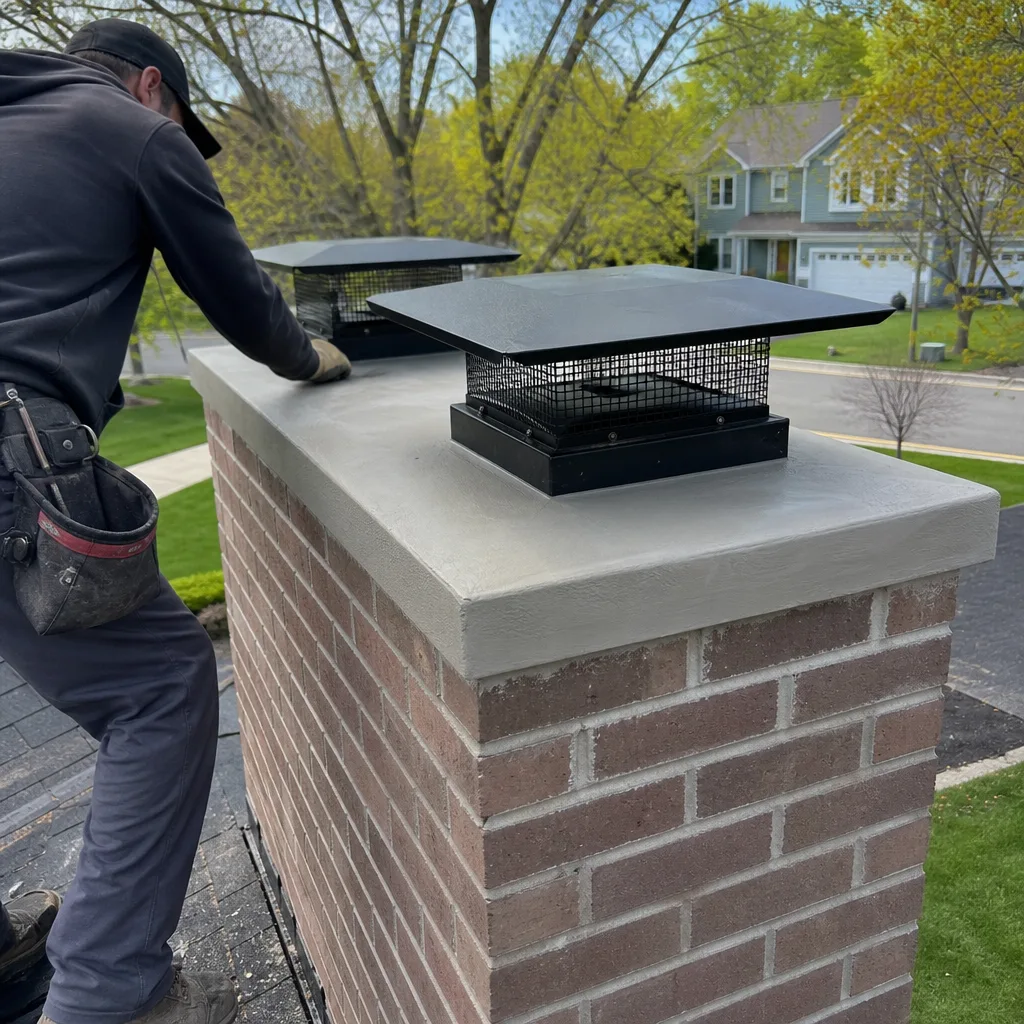 After
HeatShield Products We Service & Install in Schaumburg
We service and install the full HeatShield residential lineup across Schaumburg: the original cast-in-place insulating liner system, the HeatShield resurfacing and heat-cured ceramic coating applied over existing clay tile, the CeCure Sleeve pre-formed stainless liner with cast refractory, and HeatShield heat-cured refractory mortar for firebox and smoke chamber repairs. We keep the most commonly needed refractory and coating materials stocked locally, so a typical HeatShield patch or re-coating job doesn’t wait on a weeks-long factory order. For work that requires a specific HeatShield product line that’s on backorder or discontinued, we can source equivalent aftermarket materials that meet or exceed the original spec.
We Also Service These Brands
HeatShield isn’t the only liner system we work with. We also install and service DuraFlex flexible stainless liner systems for retrofits and relines on non-standard or aging flues, and we use Gelco components where they fit the job. Being multi-brand means we recommend the right material for your chimney, not the brand we happen to be pushing that quarter.
FAQs – HeatShield Chimney Cleaning Service in Schaumburg
Yes, if you use the right brush and the right technique. HeatShield’s cast-in-place liners have a ceramic surface that’s smoother than raw clay tile, but it will still collect creosote under typical burning conditions. We use poly brushes sized to the liner and avoid aggressive steel brushing around the flue transition and smoke chamber, which is where most damage occurs. The bigger risk in Schaumburg isn’t the sweep itself; it’s a prior contractor who ran a steel brush through without checking the liner condition first. If your HeatShield liner has already been chipped or scratched, we’ll document it on camera before we start.
A dirty liner looks like a dark buildup on the flue walls and cleans off with a proper sweep. A failing HeatShield liner shows different signs: flaking or chalky white residue in the firebox, hairline cracks you can see on a camera inspection, a smoky smell that comes back even after cleaning, or moisture staining near the top of the flue. The only way to know for certain is a Level 2 camera inspection, which we include with every HeatShield service call in Schaumburg. Creosote can hide delamination underneath it, so we clean first and inspect the surface after.
In our experience around Schaumburg, that smell usually comes from one of three places: a coating failure at the smoke chamber transition that’s letting smoke leak behind the liner, a cracked crown or deteriorated top plate that’s letting water in and creating a musty, smoky odor when the fireplace heats up, or creosote buildup that re-forms quickly because the chimney draft is compromised. We had a homeowner near the Schaumburg Town Square area with a HeatShield cast-in-place liner who called us for exactly this. We’ve handled similar HeatShield repair in Rolling Meadows and nearby towns. Our tech ran a Level 2 camera inspection, found the ceramic coating separating at the smoke chamber transition with glazed creosote above it, then hand-cleaned the flue, re-coated the affected section, and sealed the crown. The smell was gone, and we left a photo record so they could see exactly what was behind the firebox walls. If your HeatShield liner is still smelling after a recent cleaning, call us at (844) 660-6510 for a camera inspection.
Most HeatShield coating failures we see in Schaumburg are repairable when they’re caught early. A section of delaminating coating around the smoke chamber can be hand-cleaned and re-coated. A hairline crack in the refractory can be patched with heat-cured mortar. CeCure joint chips can be filled and smoothed. Where we draw the line is when the coating has failed across a large portion of the flue surface or the underlying clay tile is cracked and shifting. At that point, re-coating is putting new material over a failing substrate, and the honest call is usually a new liner system. We’ll always show you the camera evidence before recommending one path or the other.
Yes. Many Schaumburg homes built in the 1980s and 90s have wood-burning fireplace inserts connected to prefab chase-enclosed flues, and quite a few of those flues were lined or resurfaced with HeatShield products. We service those systems regularly, including the liner, the smoke chamber, the crown, and the transition between the insert and the flue. Our HeatShield service in South Barrington covers the same insert-and-flue configurations. The insert connection is often where draft problems start in those setups, so we pay close attention to that joint during every Level 2 inspection.
A standard HeatShield chimney cleaning in Schaumburg typically runs $200 to $350 depending on the flue condition, how much creosote has built up, and whether we’re dealing with glazed creosote that needs chemical treatment first. A Level 2 camera inspection is usually $150 to $300 when booked as a standalone service, though we bundle it with cleanings. Repair work like patch coating, CeCure joint repair, or crown sealing runs higher and depends on the scope. We quote a flat price before any work begins, and we don’t recommend repairs without camera evidence you can see. Call (844) 660-6510 for an exact quote on your HeatShield system. Estimates are free.
Book Your HeatShield Service in Schaumburg, IL
If your HeatShield liner hasn’t been inspected in the last couple of years, now is the time to get a camera in there before another Schaumburg winter sets in. Call (844) 660-6510 for a free estimate on HeatShield cleaning, inspection, or repair. We’ll give you a straight answer about what your flue actually needs.
Written by Rob Szymanowski, Owner at Duke Chimney Sweep, serving Schaumburg and the surrounding Chicago suburbs.